What does “pack break” mean?
What is a Pack Break?
A pack break is the act of opening sealed product, such as booster packs or sealed boxes, to access the individual trading cards within. For resellers and collectors, this is the primary method of inventory acquisition. The process is fundamentally a gamble: the expected value of the opened product is unknown until the contents are revealed. The risk is acquiring a large volume of common or low-value cards; the reward is pulling rare, graded, or highly desirable "chase" cards that drive overall collection value.
Impact on Resale Value: Risk vs. Reward
The value of a pack break outcome is entirely dependent on the quality of the pulls. A break yielding only common cards will result in inventory priced near the base MSRP or slightly below, reflecting minimal potential upside. A successful break—one containing multiple high-tier or chase cards—can create a significant premium. For example, a box break yielding one highly sought-after rookie card (RC) can increase the perceived value of the entire lot by 3x to 5x the cost of the unopened boxes, provided the pull is verifiable. Conversely, a break yielding only common cards might see the inventory value drop by 10-20% compared to the initial purchase price due to the time and effort invested.
Example Scenario 1 (Success): A reseller purchases a sealed case of a mid-tier set for $1,500. If the break yields two highly desirable, low-print-run parallel cards, the resulting inventory can command a premium, potentially selling the entire lot for $4,000+ because the verified high-value pulls justify the speculation.
Example Scenario 2 (Failure): The same $1,500 case breaks down into hundreds of common cards. The resulting inventory is priced near the cost of the sealed product minus the labor/time investment, likely selling for $1,000–$1,200.
How to Verify the Product Before Breaking
Spotting a pack break requires examining the product before opening. Sellers must provide high-resolution photos of the sealed product, including the pack/box SKU and any holographic indicators visible on the wrapper. Look for specific edition markers, foil patterns, and serial numbers printed on the outer packaging. Common issues include misrepresenting the product line (e.g., selling a promotional variant as a standard release) or failing to disclose if the product is damaged or opened prior to sale. Always cross-reference the visible card backs or foil placement against known product guides for that specific set. For detailed set information, consult our guide on [Card Set Identification].
Strategy: Buying and Selling Smart
Buying Smart: Paying a premium for a pack break is justified only when the product line has proven high volatility and established chase cards. If the product is new or unproven, the risk outweighs the potential reward. A fair deal involves the purchase price being within 1.2x to 1.5x the retail cost of the sealed product. If the premium exceeds 2x the sealed product cost, the buyer is paying purely for speculation, requiring extremely high confidence in the set's potential. Always review our guide on [Risk Assessment for Sealed Product] before committing.
Selling Smart: Proving the origin of the inventory drastically increases buyer confidence and, consequently, the asking price. When selling cards acquired via a pack break, documentation is key. Listing photos must show the original sealed product alongside the pulled cards, or at minimum, provide clear, timestamped video footage of the break process. The single most valuable piece of evidence is a clear photo of the pack/box number *next to* the highest-value pull. This documentation shifts the item from "random inventory" to "verified acquisition," allowing the seller to command a premium that reflects the proven rarity and provenance of the specific pull. For guidance on listing high-value items, see our [Provenance Documentation Guide].
FAQ
Q: Is it safer to buy sealed product or broken product?
A: For guaranteed value, buying already broken, graded, or specific high-tier cards is safer. However, buying sealed product offers the potential for exponential returns if a major chase card is pulled, which is the entire premise of the pack break.
Q: How much should I pay above MSRP for a pack break?
A: As a general rule for established sets, aim to keep the purchase price within 1.5x the sealed retail cost. Anything significantly higher is betting on luck rather than inventory value.
Q: What is the biggest risk in a pack break?
A: The biggest risk is volume—acquiring a large quantity of low-value common cards that, when combined, do not recoup the initial investment, leading to inventory that is difficult to liquidate at a profit.
Related on JunkPal
On eBay right now
Current asking prices from live listings — not sold-comp medians.

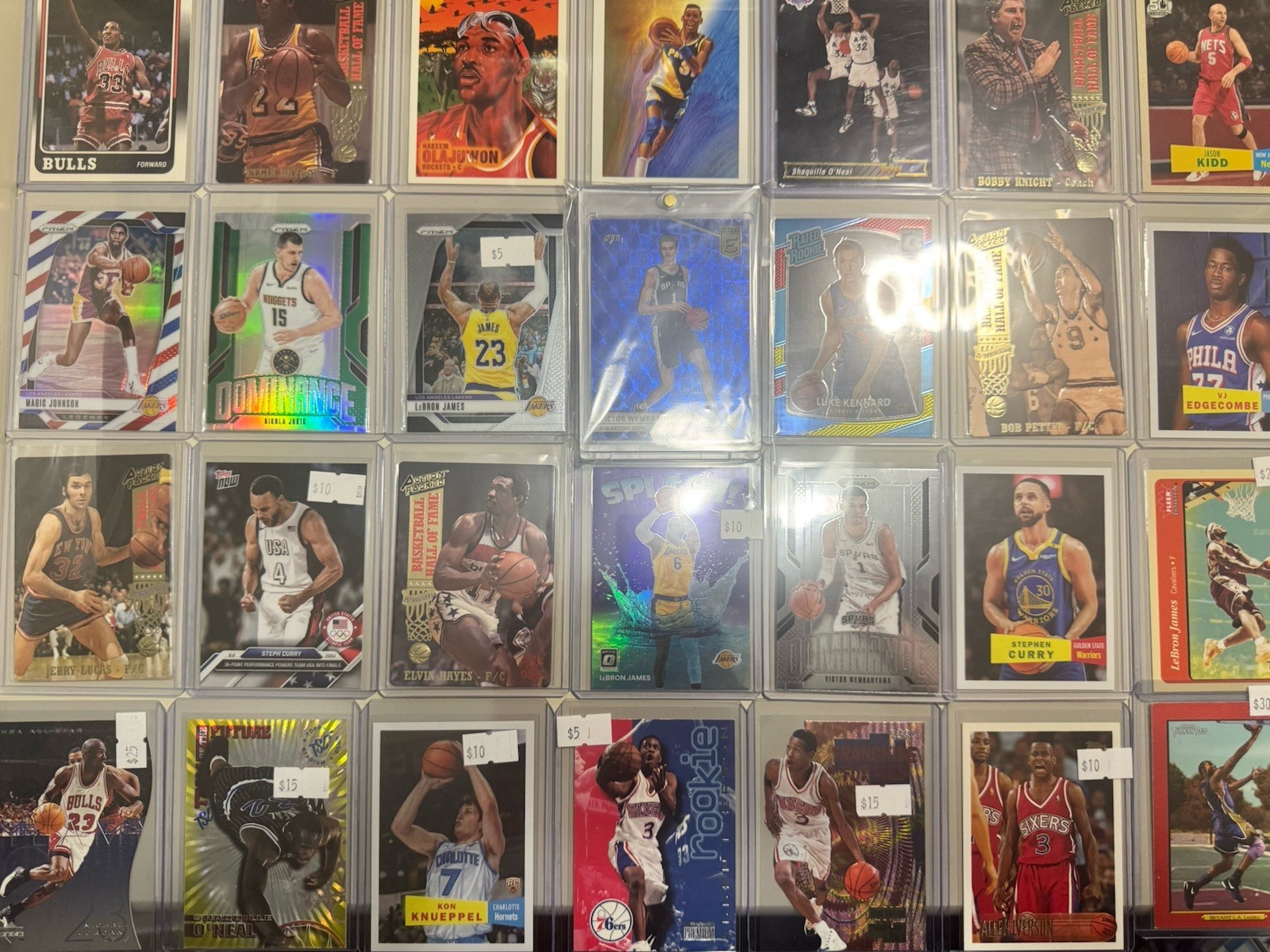
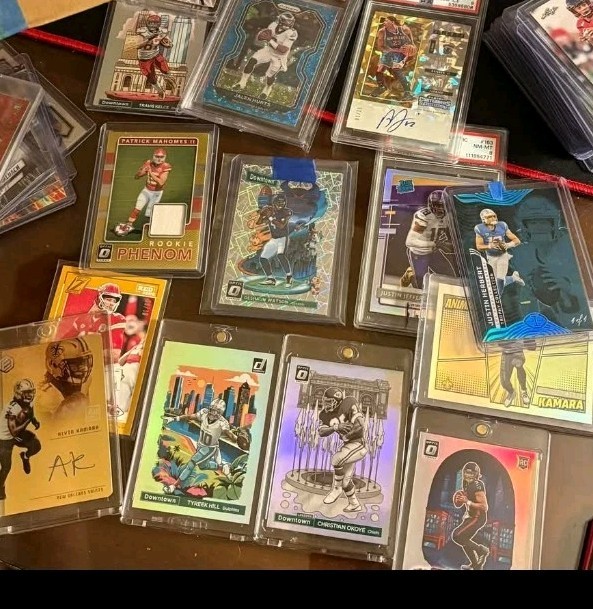



eBay links are affiliate links: JunkPal may earn a commission at no cost to you.
Resale values related to pack break
Shop pack break on eBay ↗
![Charizard [Box Topper] #S1](/api/images/junkpal-products/cards/charizard-box-topper-s1-pokemon-legendary-collection-card/img0/thumb.webp)


![Eevee [Sparkle] #133](/api/images/junkpal-products/cards/eevee-sparkle-133-pokemon-2000-topps-chrome-card/img0/thumb.webp)


JunkPal may earn a commission when you buy through eBay links, at no extra cost to you.
What’s worth the most
Ranked on medians of real closed eBay sales, not asking prices.