What does “autograph” mean?
What it means
An autograph is a handwritten mark, signature, or inscription applied by a recognized public figure—athlete, celebrity, etc.—directly onto a trading card or collectible. In this niche, it is not merely a signature; it is a piece of direct provenance. The mainstream equivalent is simply "signed item." The value is tied directly to the figure's fame, the signature's clarity, and the card's condition. A signature on a high-demand card is fundamentally different from a signature on a common, low-value card.
What it does to price
Autographs act as a significant value multiplier. A base, ungraded, common card might sell for \$1.00. The same card, if bearing a clear, verifiable autograph from a top-tier player, can easily command 3x to 10x that price, potentially reaching \$3.00 to \$10.00 or more, depending on the card's base scarcity. A poorly executed, faint, or smudged signature can negate the value increase, sometimes reducing the premium to less than 1.5x. Conversely, a genuine signature on a card with extreme scarcity (e.g., a rookie card of a Hall of Famer) can result in exponential gains, often exceeding 50x the base value.
How to spot it
Authenticity requires scrutiny. Examine the ink flow; genuine signatures often show slight variations in pressure and line thickness that are difficult for modern printers to replicate perfectly. Look for signs of tampering around the signature area. Sellers must provide high-resolution photos showing the signature in context with the card's edges and corners. Common fakes involve digital overlays or "autograph stickers" applied to the card surface. Honest mistakes include signatures that bleed through the card stock or are applied over a printed element, which reduces desirability.
Buying smart
Paying a premium for an autograph is justified when the card itself has strong baseline value (e.g., a rookie card or a short-print parallel) and the signature is from a highly desirable, active, or deceased legend. If the card is common, the signature must be from an elite, blue-chip figure to warrant the extra cost. Avoid paying top dollar for an autograph on a common, low-grade card. A fair deal involves the price increase being proportional to the signature's verifiable rarity and the card's inherent desirability.
Selling smart
Listing an autograph requires establishing immediate trust. The single most effective element in a listing is providing a clear, close-up photo of the signature *and* the corresponding third-party authentication certificate (e.g., PSA/JSA/Beckett). If the item is graded and authenticated, the premium buyers are willing to pay is often baked into the grade itself, but explicitly stating "PSA Authenticated" in the title commands a higher immediate click-through rate and price point than merely stating "Signed."
On eBay right now
Current asking prices from live listings — not sold-comp medians.

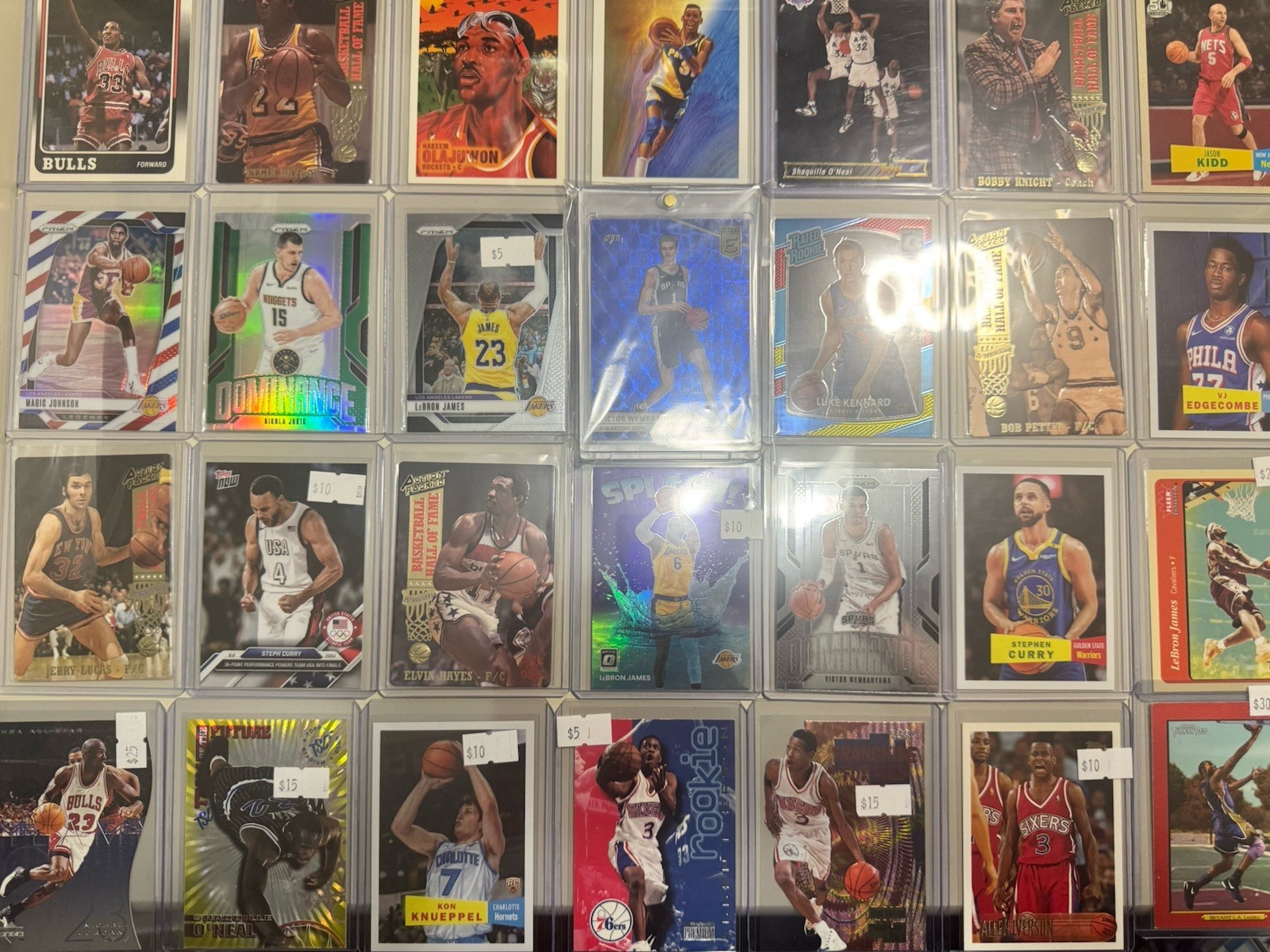
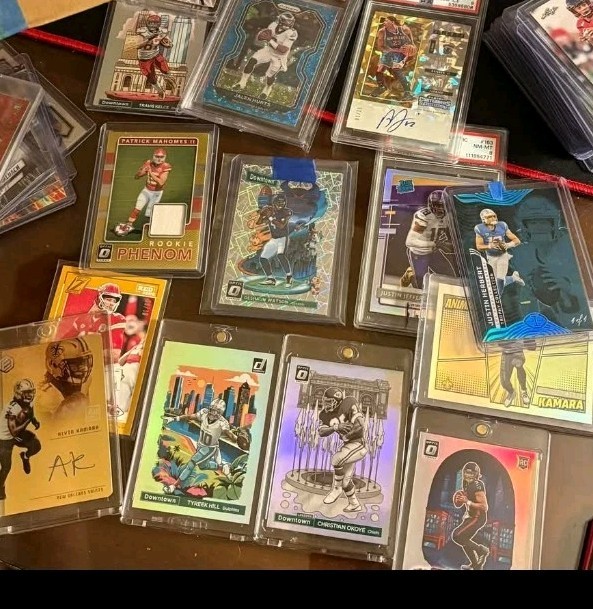



eBay links are affiliate links: JunkPal may earn a commission at no cost to you.
Resale values related to autograph
Shop autograph on eBay ↗


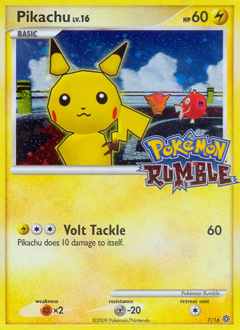

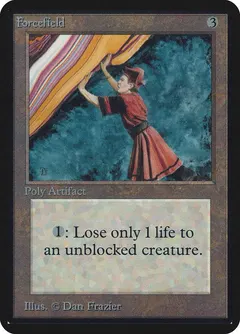

JunkPal may earn a commission when you buy through eBay links, at no extra cost to you.
What’s worth the most
Ranked on medians of real closed eBay sales, not asking prices.