What does “auction listing” mean?
What it means
An auction listing is the documented sales advertisement posted by a seller on an online platform for a specific trading card. It functions as the primary legal and descriptive record of the item being offered. This is not merely an ad; it is the contract foundation. The listing must accurately convey the card's specific attributes: manufacturer, set name, card number, grade (if graded), condition (e.g., Near Mint, Lightly Played), and any unique features like serial numbers or foil variations. The mainstream equivalent is a detailed product page, but the auction context implies a competitive bidding environment where the description sets the ceiling for perceived value.
What it does to price
The quality and detail of the listing directly influence the final realized price. A listing that is sparse or vague typically results in a price floor, often selling below market value due to buyer hesitation. Conversely, a hyper-detailed listing—one that explicitly documents every flaw—can command a premium, often 15-30% higher than an identical listing with vague condition notes. For example, listing a card as "Mint" when it has a visible corner ding (even a small one) might lead to a $50 sale; listing it as "Near Mint, minor top-left corner ding" might result in a $40 sale, but the buyer trusts the seller more, leading to fewer disputes. Missing key information (like a specific print variant) can cause the listing to sell for 50% less than its true value.
How to spot it
Review the listing for inconsistencies. Look for discrepancies between the listed condition and the provided images. If the seller lists a card as "Gem Mint" but the photos show noticeable edge whitening, this is a red flag. Check the description for jargon misuse; sellers sometimes confuse "Lightly Played" with "Moderately Played." Request high-resolution photos of the card's edges and corners, especially if the description is vague. Common mistakes include misidentifying parallels or failing to list the exact year/printing run. Be wary of listings that use overly flowery, subjective language instead of objective grading terms.
Buying smart
Paying a premium based on a listing is justified only when the seller has provided verifiable evidence supporting the high valuation. If a listing boasts a high price based on an unverified "Near Mint" status, the risk is high. A fair deal involves the listed price being within 10-20% of comparable sales data from recently closed auctions for the same card in the same condition. If the listing omits crucial information (e.g., failing to mention a specific holographic pattern), the price should be discounted to account for the required due diligence the buyer must perform post-purchase.
Selling smart
Proving the card's condition and authenticity within the listing is the most effective pricing strategy. The single most valuable element in a listing is a clear, close-up photo of any imperfection. Showing a small scratch or print defect upfront prevents buyer claims later. Using specific, industry-standard terminology (e.g., "PSA 9 equivalent" rather than "looks great") establishes immediate credibility. A listing that preemptively addresses potential buyer concerns regarding condition or authenticity earns trust, which translates directly into a higher final bid ceiling.
On eBay right now
Current asking prices from live listings — not sold-comp medians.

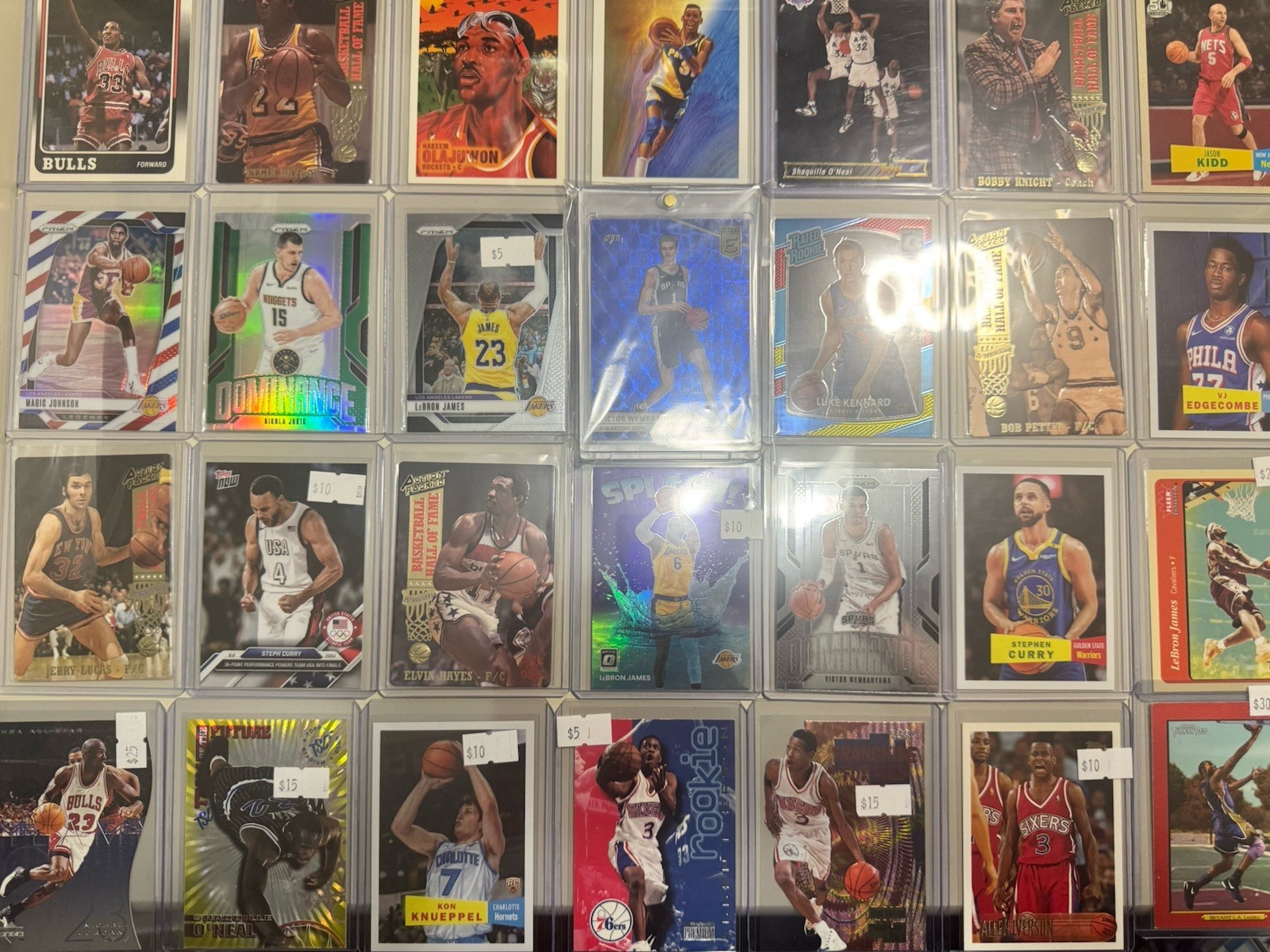
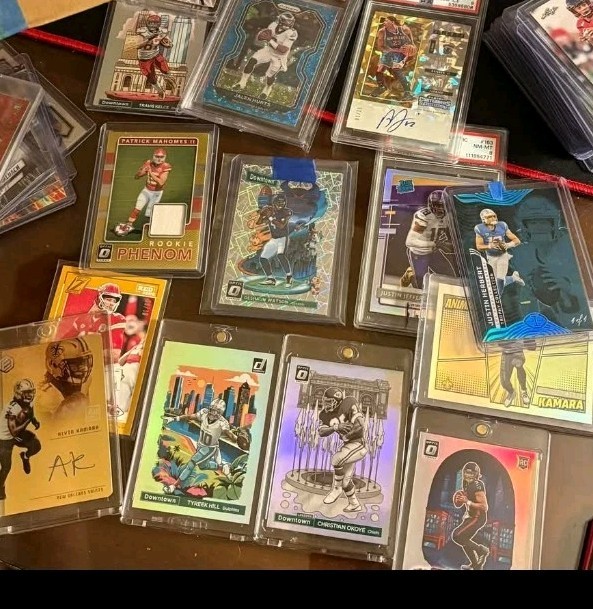



eBay links are affiliate links: JunkPal may earn a commission at no cost to you.
Resale values related to auction listing
Shop auction listing on eBay ↗
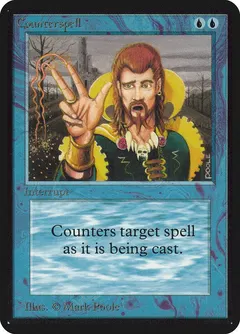
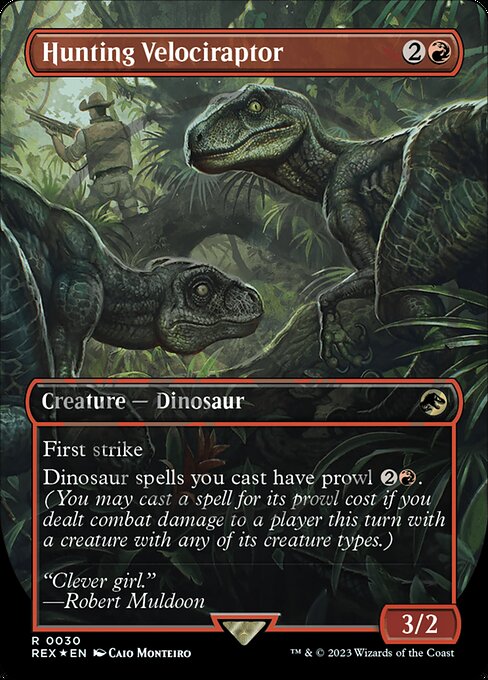


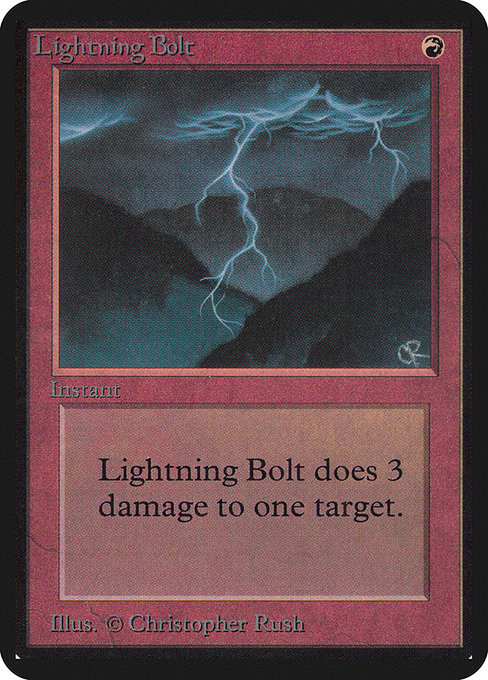
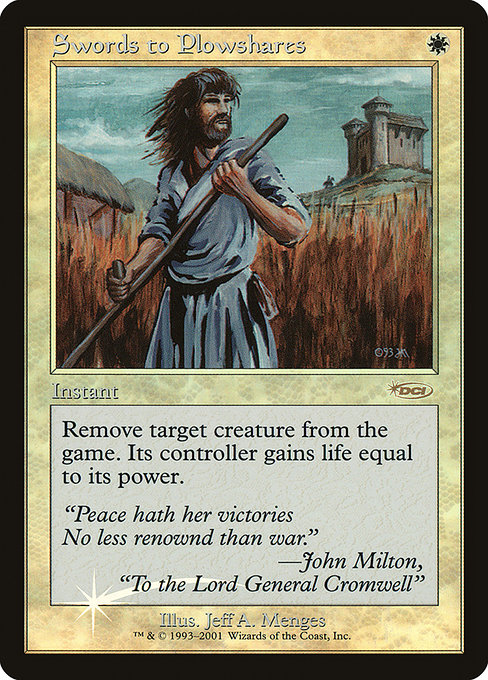
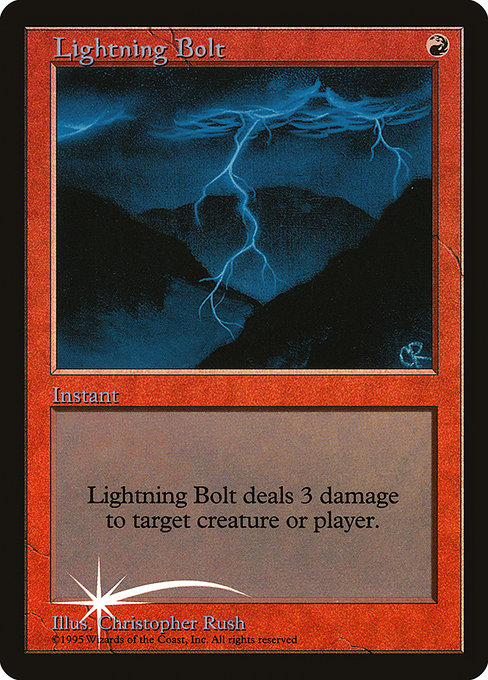
JunkPal may earn a commission when you buy through eBay links, at no extra cost to you.
What’s worth the most
Ranked on medians of real closed eBay sales, not asking prices.