What does “authentic altered” mean?
What it means
"Authentic altered" refers to a trading card that has undergone deliberate, non-factory modifications. The seller asserts these changes are legitimate, not unauthorized tampering. These alterations range from adding external elements like stickers or small, approved patches, to subtle surface modifications such as paint touch-ups or minor die-cuts. In the mainstream collecting vernacular, this is equivalent to "modified" or "customized." The term "authentic" is the seller's attempt to legitimize the modification, implying the alteration is part of a known, approved variant line, rather than damage or fraud.
What it does to price
Generally, alterations decrease value. A standard, unaltered card is the baseline. An "authentic altered" card typically trades at a discount, often 20% to 50% below its pristine counterpart, unless the alteration *is* the recognized, high-value variant. For example, a standard rookie card might sell for \$50. If an approved, documented "Altered Gold Foil" version exists, that specific variant might command 3x the price of the standard card, but an undocumented, seller-claimed alteration usually fetches less than the standard card.
How to spot it
Tells include inconsistencies in ink density, mismatched surface textures, or visible adhesive residue around additions. If the card has been painted, look for brush strokes or color bleed inconsistent with the card stock. Sellers must provide high-resolution, macro shots focusing specifically on the edges, corners, and any area where an addition is claimed. Common mistakes include applying stickers that peel slightly or using non-matching inks. Genuine, documented variants will have specific, verifiable edition numbering or holographic markers that match established databases.
Buying smart
Paying a premium for an "authentic altered" card is only justifiable if the alteration is part of a highly publicized, officially recognized, and documented variant release (e.g., a specific "Chase" or "Parallel" designation). If the alteration is vague—"minor surface addition"—it is a high-risk purchase. A fair deal involves the asking price being clearly justified by external documentation proving the alteration is intentional and recognized by the card manufacturer or a major grading company. If documentation is absent, the premium should be zero.
Selling smart
Listing an "authentic altered" card requires extreme specificity. Simply stating "altered" invites scrutiny and lowball offers. The listing must clearly state *what* the alteration is (e.g., "Authenticated Holographic Sticker Addition") and provide photographic proof of its authenticity relative to known variants. The single most valuable asset in the listing is a photo showing the alteration next to a known, unaltered reference card, if possible. This moves the item from a speculative piece to a documented variant, commanding a higher, justified price.
On eBay right now
Current asking prices from live listings — not sold-comp medians.

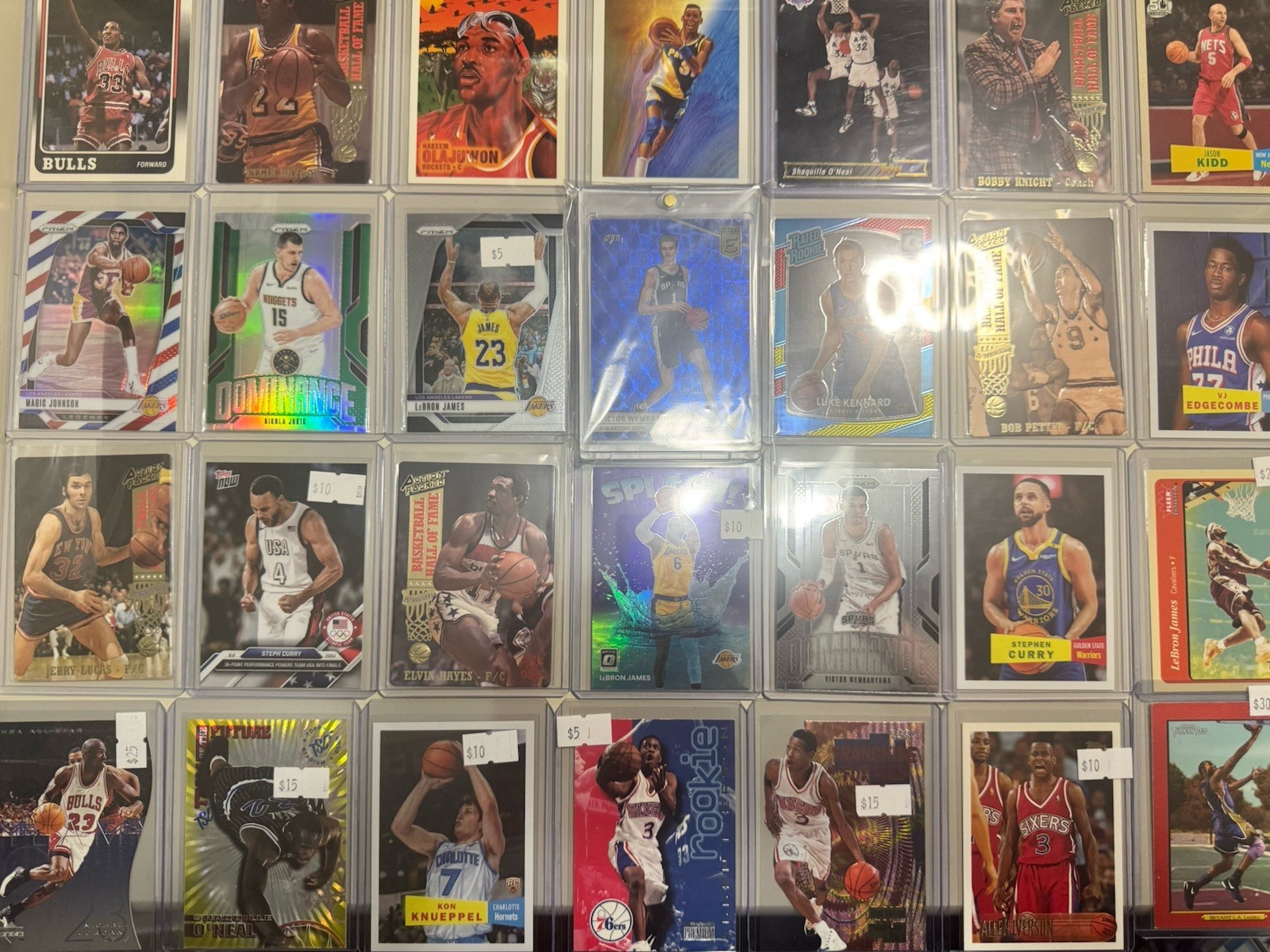
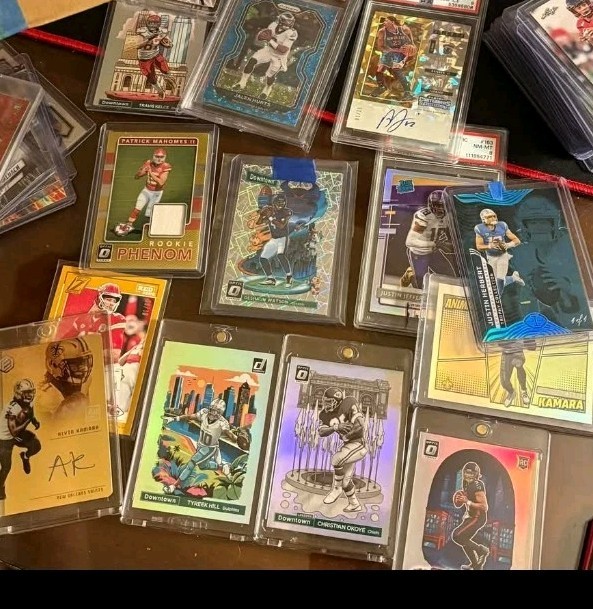

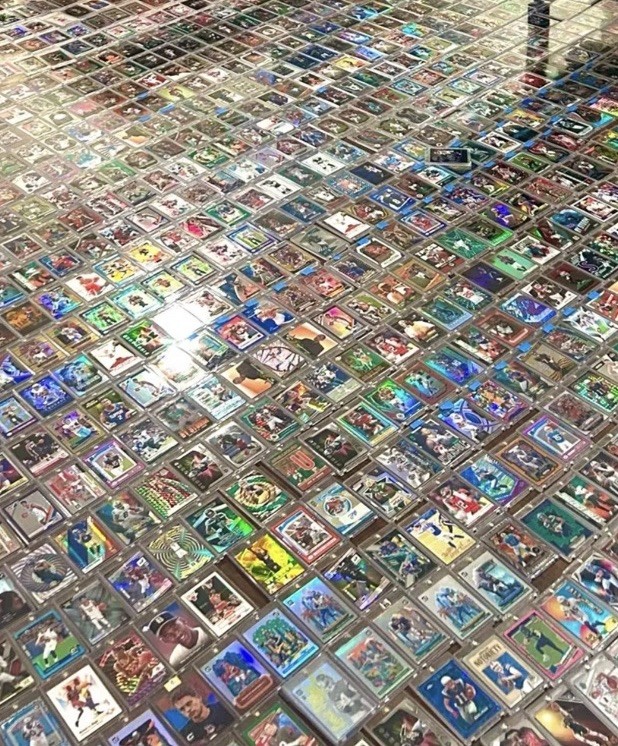

eBay links are affiliate links: JunkPal may earn a commission at no cost to you.
Resale values related to authentic altered
Shop authentic altered on eBay ↗

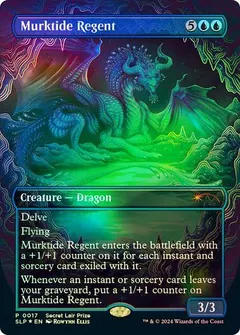



JunkPal may earn a commission when you buy through eBay links, at no extra cost to you.
What’s worth the most
Ranked on medians of real closed eBay sales, not asking prices.