What does “bent” mean?
What it means
"Bent" in trading card collecting refers to any permanent deformation of the card's surface structure. This includes creases, folds, sharp bends, or significant warping that alters the card's original flat plane. This is distinct from minor surface wear like light scuffing or edge whitening. A bend is a structural flaw. For grading purposes, a bend is almost always classified as "Damaged" or "Poor" condition, regardless of how minor it appears. The degree of the bend—a gentle curve versus a sharp, visible crease—determines the severity of the grade reduction.
What it does to price
The presence of a bend significantly depresses market value. For a high-value, mint-condition card, a noticeable bend can result in a 30% to 60% reduction in sale price compared to an identical, flat copy. For common cards, the difference might be negligible if the bend is microscopic, but for rare or graded cards, the impact is severe. Example: A rare, pristine holographic card might sell for $500 loose. If it has a distinct, visible crease running across the face, its value may drop to $250–$350. Slight warping that does not affect the card's edges might incur a 10–15% penalty.
How to spot it
Bends are most easily spotted under direct, bright light. Inspect the card from multiple angles, looking for shadows cast by the deformation. A sharp crease will often create a distinct line where the card material has been stressed. Sellers should provide high-resolution, close-up photos showing the card laid flat against a plain background, specifically targeting the areas where the bend is suspected. Common mistakes include cards being stacked improperly during shipping or being bent during handling. Fakes are rare in terms of *creating* a bend, but poor handling by sellers is the primary cause.
Buying smart
Paying a premium for a bent card is only justifiable when the card is otherwise exceptionally rare, and the bend is extremely minor—a slight, almost imperceptible curve that does not interfere with the artwork or edges. If the card is common or mid-tier, the discount offered by the bend is a clear win. If the bend is a sharp crease, the card should be bought only for its intrinsic value as a piece of memorabilia, not as a collectible intended for high-grade investment. A fair deal for a bent card requires the price to reflect the downgraded condition grade.
Selling smart
Transparency is mandatory. Listing a bent card as "Near Mint" or "Mint" is grounds for immediate buyer dispute and negative feedback. The listing description must explicitly state the damage: "Card exhibits a light crease running from the top left corner." The single most valuable photo is one taken directly over the bend, clearly showing the deformation in sharp focus. Disclosing the flaw allows the buyer to price the card correctly, leading to a faster, less contentious sale.
On eBay right now
Current asking prices from live listings — not sold-comp medians.
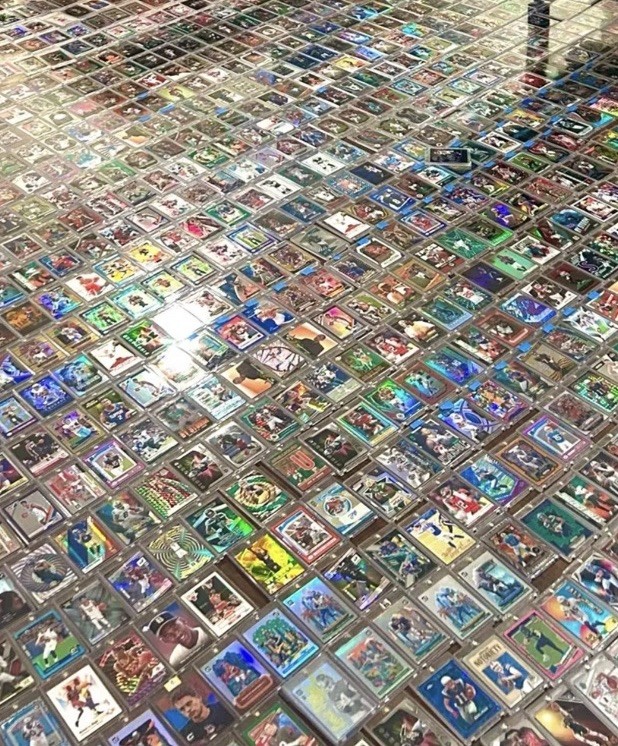

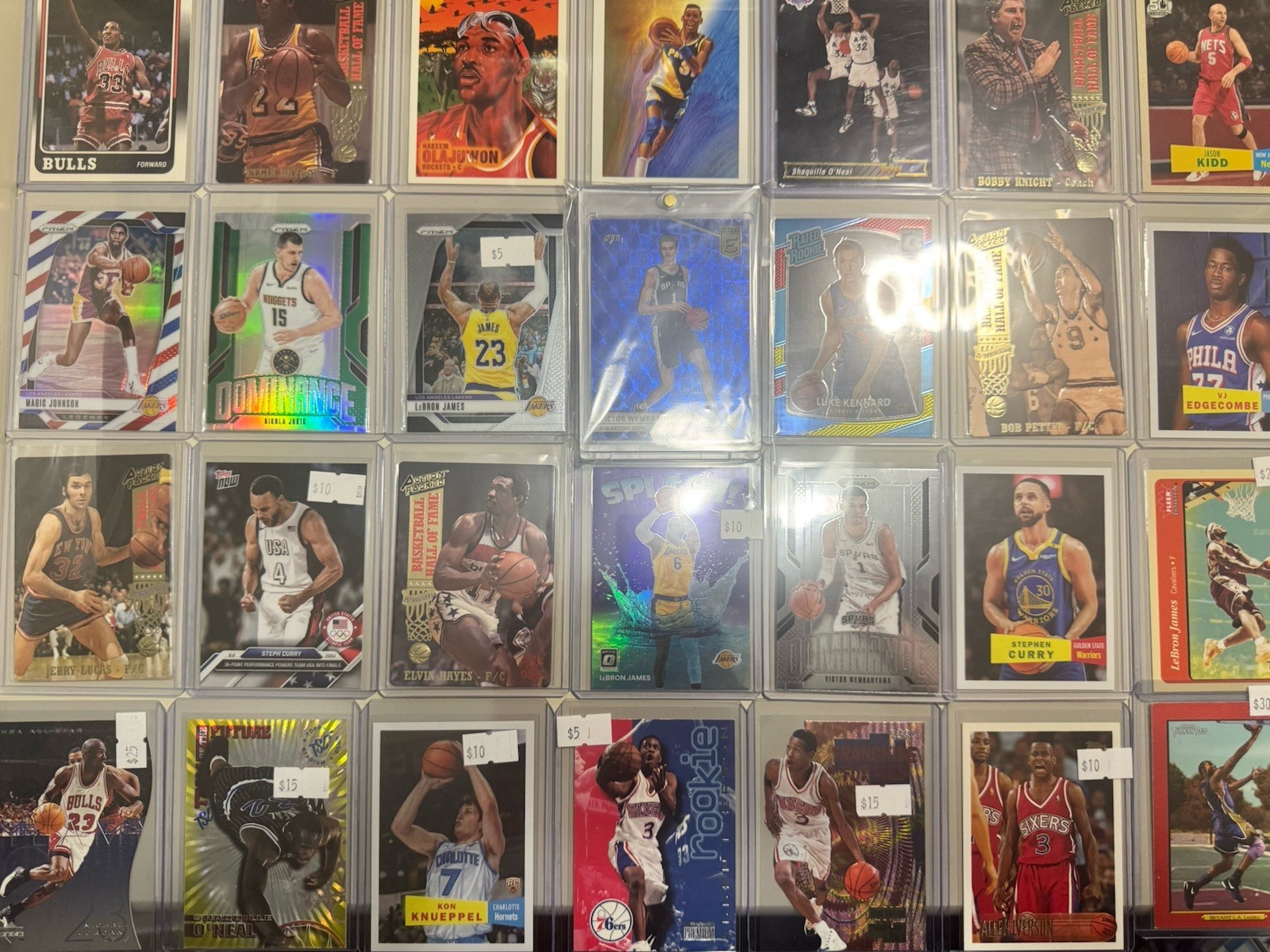
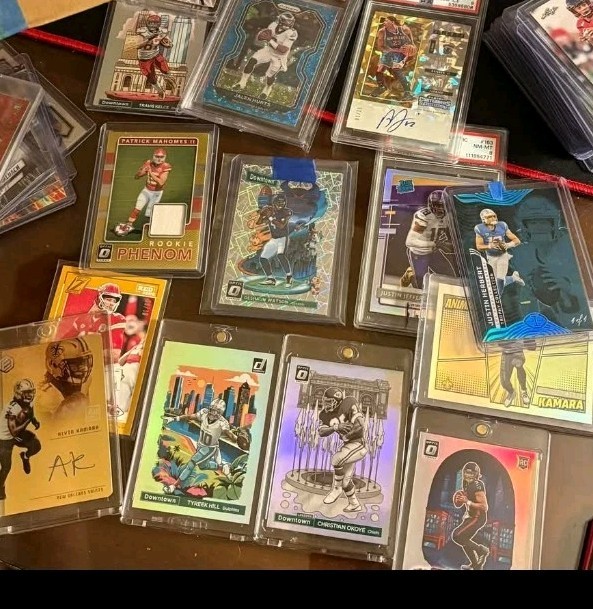


eBay links are affiliate links: JunkPal may earn a commission at no cost to you.
Resale values related to bent
Shop bent on eBay ↗


![Charizard [Sparkle] #6](/api/images/junkpal-products/cards/charizard-sparkle-6-pokemon-2000-topps-chrome-card/img0/thumb.webp)

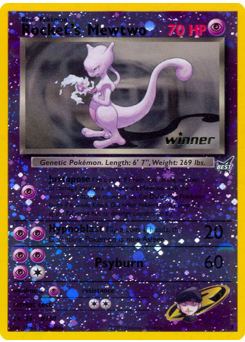
JunkPal may earn a commission when you buy through eBay links, at no extra cost to you.
What’s worth the most
Ranked on medians of real closed eBay sales, not asking prices.