What does “autograph card” mean?
What it means
An autograph card is a trading card bearing the genuine, handwritten signature of a recognized public figure, such as an athlete or celebrity. The signature itself is the primary value driver. This is distinct from a facsimile signature, which is a reproduction printed onto the card. A genuine autograph is a direct piece of memorabilia. The market differentiates between "autographed" (the signature is present but unverified) and "authenticated" (the signature has been verified by a recognized third-party service). Authenticity is the non-negotiable factor determining market value.
What it does to price
The presence of a genuine, authenticated autograph provides a substantial price multiplier. For a common card, an authenticated autograph can increase the value by 3x to 10x compared to the unsigned version, depending on the subject's fame and the card's base scarcity. A low-tier, unsigned rookie card might sell for $5; the same card with a verified autograph could easily command $50 to $150. Factors that push value up include signatures from highly sought-after legends and signatures that are rare on the specific card design. Value decreases if the signature is faint, poorly placed, or if the card is in poor condition, regardless of the signature's authenticity.
How to spot it
Identifying a genuine autograph requires scrutiny. Sellers must provide high-resolution photos showing the signature in context on the card surface. Look for ink bleed, pen pressure variations, and the natural flow of the writing, which are difficult to replicate perfectly. Common fakes involve digitally altering photos or using poor-quality replicas. Honest mistakes include cards where the signature was added post-production (a "throw-in") or where the signature is clearly smudged or written over existing printing. Always request photos of the signature alongside the card's identifying features, such as card numbering or specific printing errors.
Buying smart
Paying a premium for an autograph card is justified when the subject is a blue-chip collector item (e.g., a Hall of Famer or A-list celebrity) and the card itself is scarce or in high grade (PSA 9 or 10). If the card is common or the subject is niche, the premium may not yield a proportional return on investment. A fair deal involves the premium being proportional to the authentication cost and the perceived rarity of the signature on that specific card. If the price increase over the unsigned version is less than 2x, the premium is likely too high unless the card is exceptionally rare.
Selling smart
Listing an autograph card without proof of authenticity severely limits the buyer pool to casual collectors willing to gamble. Listing with professional authentication (e.g., PSA/DNA sticker visible) immediately targets serious, high-value buyers, justifying the highest possible price point. The single most effective element in a listing is the inclusion of the third-party authentication certificate number or the graded slab itself. This shifts the item from "a card with a signature" to "a graded piece of certified memorabilia," instantly commanding a higher, more stable market value.
On eBay right now
Current asking prices from live listings — not sold-comp medians.

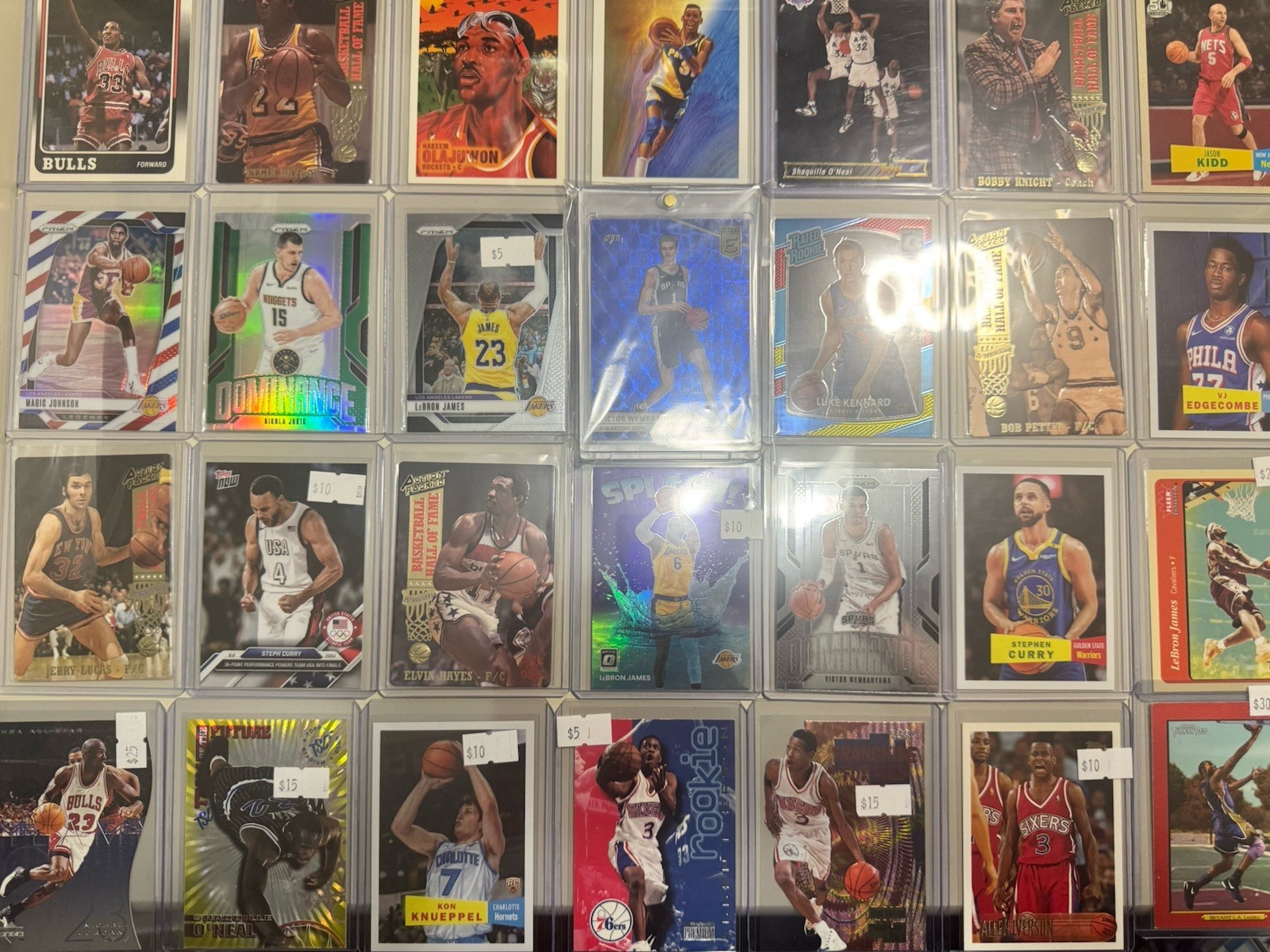
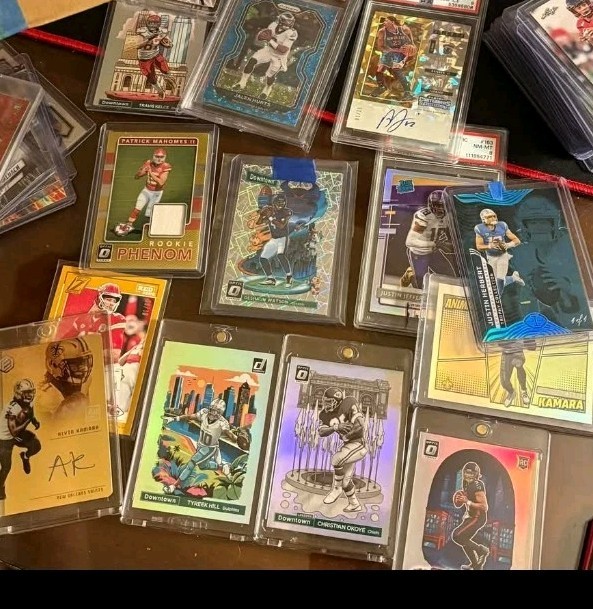



eBay links are affiliate links: JunkPal may earn a commission at no cost to you.
Resale values related to autograph card
Shop autograph card on eBay ↗
![Scyther [Sparkle] #123](/api/images/junkpal-products/cards/scyther-sparkle-123-pokemon-2000-topps-chrome-card/img0/thumb.webp)


![Charizard [Box Topper] #S1](/api/images/junkpal-products/cards/charizard-box-topper-s1-pokemon-legendary-collection-card/img0/thumb.webp)

JunkPal may earn a commission when you buy through eBay links, at no extra cost to you.
What’s worth the most
Ranked on medians of real closed eBay sales, not asking prices.