What does “auction house” mean?
What it means
An auction house is a specialized firm that conducts public sales of high-value collectibles, specifically rare trading cards. It is a formalized marketplace, distinct from private peer-to-peer sales. These firms handle the entire sales lifecycle: item appraisal, authentication, cataloging, marketing, and the bidding process. For collectors and resellers, an auction house acts as a recognized third-party validator. Its involvement transfers a degree of institutional credibility to the item, which is vital for expensive, graded, or historically significant cards.
What it does to price
Participation in a reputable auction house typically adds a premium to the final realized price, though this is offset by commission fees. For a desirable, graded card, the auction house exposure can increase the final sale price by 20% to 50% over a private sale, assuming the item is properly marketed. Conversely, if the house lacks expertise in the card’s specific niche, the marketing effort can fail, leading to a flat or lower sale. A realistic example: a high-grade rookie card might sell for $10,000 privately, but through a major auction house, it could realize $12,000 to $15,000 after commissions are deducted.
How to spot it
Authenticity is the primary concern. Reputable auction houses provide detailed provenance documentation, often including third-party grading reports (PSA, BGS, SGC). Sellers should provide high-resolution images showing all edges, corners, and surface details, not just the front. Watch for discrepancies between the item description and the provided images—mislabeling or incorrect grading are common honest mistakes. Fakes often fail to match the precise print quality or foil alignment seen in professional auction photography. Always verify the house’s history with the specific card set being sold.
Buying smart
Paying the auction house premium is justified when the card's value is high ($5,000+) or when the buyer requires immediate, verifiable proof of authenticity for investment purposes. If the card is mid-tier or low-value, the commission fees often negate any perceived benefit of the exposure. A fair deal involves the final hammer price plus buyer's premium being within 10-15% of the established market value for that specific condition. If the house is pushing the final price significantly above comparable recent sales, it is likely overinflated.
Selling smart
Listing through an auction house immediately signals high intent and seriousness to serious buyers. This institutional backing allows sellers to command a higher initial asking price because the buyer trusts the vetting process. The single most effective element to earn this premium is a professionally authenticated, high-resolution image of the card *with* its grading slab clearly visible and centered. This visual proof of third-party validation is the key differentiator between a private listing and an auction house consignment.
On eBay right now
Current asking prices from live listings — not sold-comp medians.
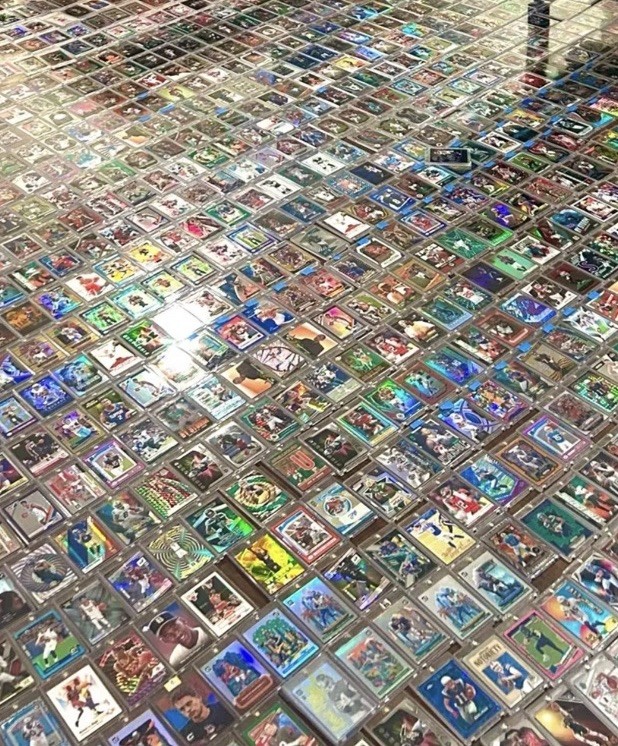

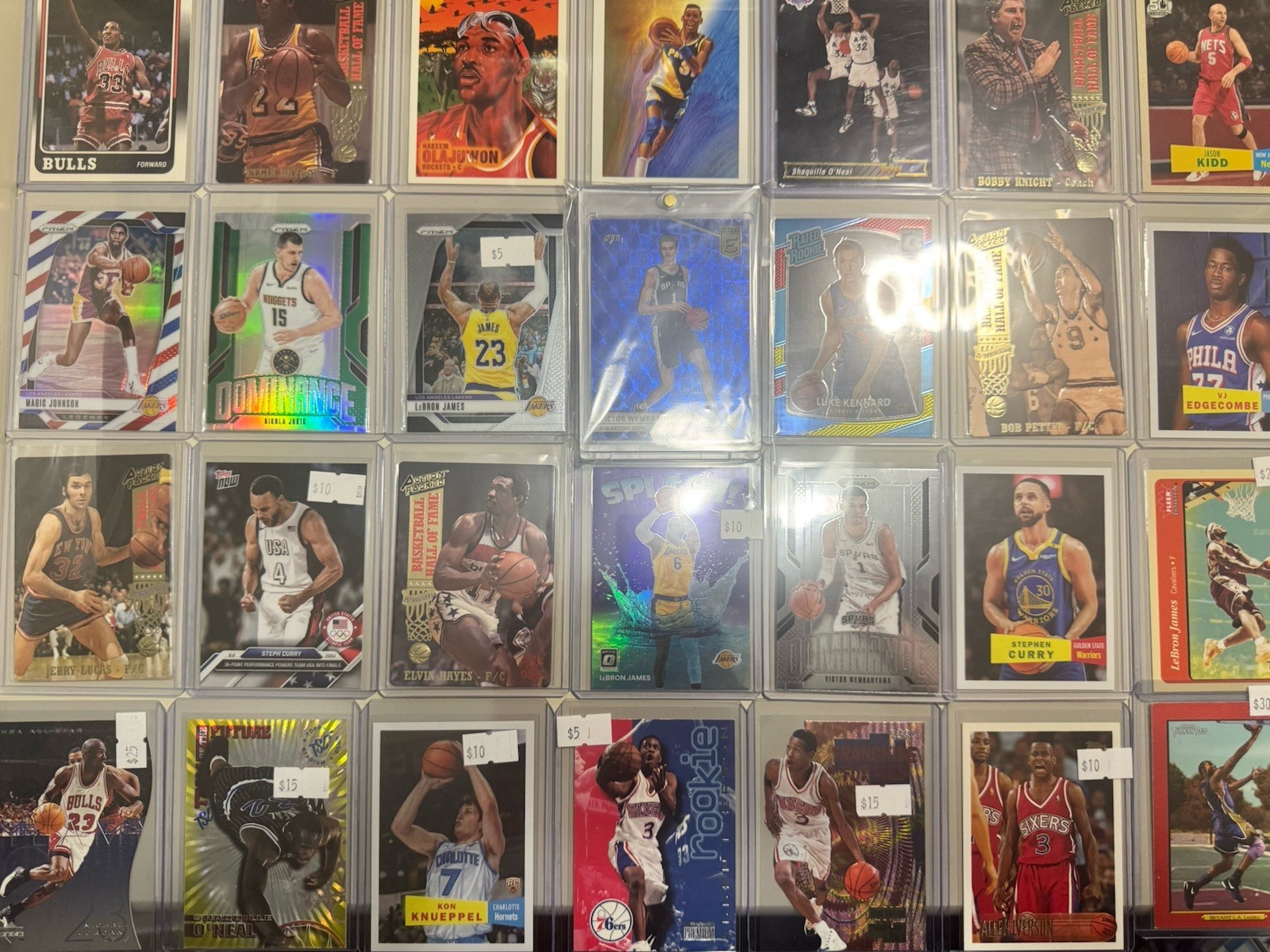
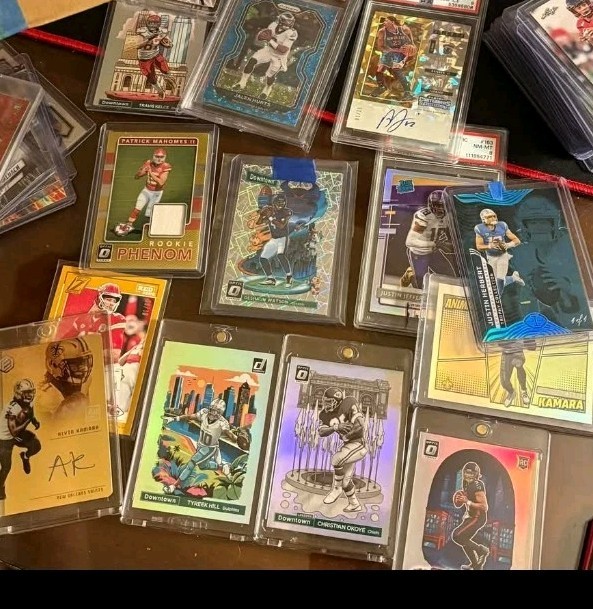


eBay links are affiliate links: JunkPal may earn a commission at no cost to you.
Resale values related to auction house
Shop auction house on eBay ↗


![Voltorb [Tekno] #100](/api/images/junkpal-products/cards/voltorb-tekno-100-pokemon-2000-topps-chrome-card/img0/thumb.webp)


JunkPal may earn a commission when you buy through eBay links, at no extra cost to you.
What’s worth the most
Ranked on medians of real closed eBay sales, not asking prices.