What does “battlefield” mean?
What it means
"Battlefield" in the trading card context refers to collectible cards originating from a specific Intellectual Property (IP) licensed game, not a generic term for a skirmish. The term is often used loosely by sellers to refer to any card from the *Battlefield* video game franchise, but this is imprecise. The actual market value is tied to the specific trading card game (TCG) or collectible series that licenses the IP (e.g., a specific set released for a particular TCG). Collectors must identify the exact TCG and the specific set within that game. Generic IP association is insufficient for valuation.
What it does to price
The IP itself provides a baseline demand floor, but the TCG mechanics and set rarity dictate the actual price. A card from a highly popular, current-generation TCG utilizing the *Battlefield* IP will command a premium over a card from an older, defunct TCG using the same IP. Rarity tiers (e.g., Common, Rare, Secret Rare) establish the primary multiplier. A high-rarity, chase card from a recent, high-demand set can see prices range from $50 to several hundred dollars. Conversely, a common promo card from an early, niche set might sell for $1 to $5. Condition is the most volatile factor; a Near Mint (NM) card will typically fetch 2x to 4x the price of a Lightly Played (LP) copy of the same card.
How to spot it
Identification requires verifying the set symbol, the game logo, and the card number printed on the border. Sellers must provide high-resolution images of the entire front and back of the card. Common errors include mislabeling the set or confusing different print runs (e.g., an English vs. German print). A common mistake is assuming all *Battlefield* cards are from the same series; they are not. Fakes often exhibit poor centering, incorrect foil application, or blurry text, especially on high-value chase cards.
Buying smart
Paying a premium is justified when the card is a key chase piece from a highly anticipated, recent set, and its condition is graded NM or better. If the card is a low-rarity staple from an older set, the premium is unwarranted; buying loose is usually sufficient. A fair deal involves the asking price being within 15-25% of comparable sales data for the exact set and condition. If the seller cannot provide clear proof of the set or edition, the risk is too high for a significant investment.
Selling smart
Listing must explicitly state the TCG, the specific set name, and the card number. Providing a photo showing the card next to a known reference card or a clear shot of the set symbol is critical. Using the specific TCG name (e.g., "TCG - Battlefield Set X") rather than just "Battlefield card" immediately filters out low-intent buyers and attracts knowledgeable collectors. The single most valuable piece of information to include is the specific set identifier, as this validates the card's context and justifies a higher price point.
On eBay right now
Current asking prices from live listings — not sold-comp medians.


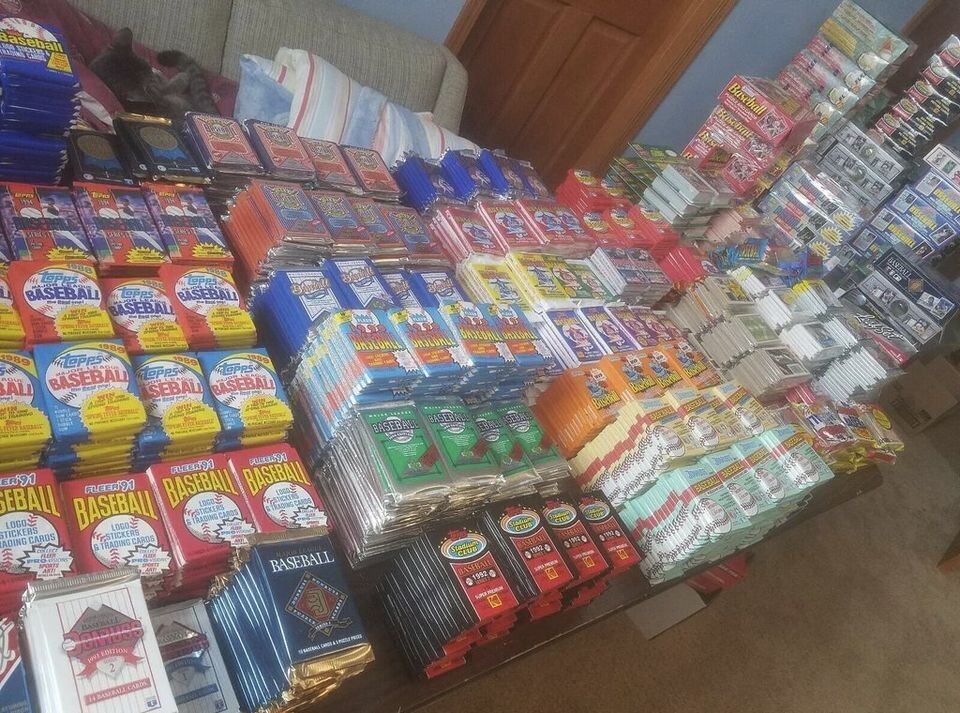


eBay links are affiliate links: JunkPal may earn a commission at no cost to you.
Resale values related to battlefield
Shop battlefield on eBay ↗


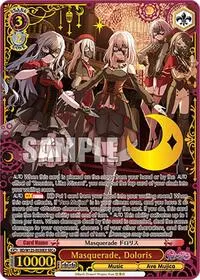


JunkPal may earn a commission when you buy through eBay links, at no extra cost to you.
What’s worth the most
Ranked on medians of real closed eBay sales, not asking prices.