What does “base set” mean?
What it means
The base set is the primary, introductory release of a trading card line. It represents the initial packaging and card numbering sequence for a specific franchise or year. This is not merely the first printing; it is the foundational set upon which all subsequent expansions and sets are built. In collecting terms, it is the core catalog. While some modern sets have "base" designations, the traditional base set refers to the initial, non-specialized release that established the roster and artwork for that period.
What it does to price
Base set cards carry a premium over later, non-base parallels or inserts, assuming comparable condition. A high-grade, near-mint base set card can command 2x to 5x the price of a common, ungraded version of the same card from a subsequent expansion. Condition is the primary driver; a PSA 10 base card will exponentially outperform a PSA 8. Scarcity of the initial print run is a major factor. For example, a key rookie card from the base set might trade at $500 loose, whereas a similar card from a later set might only fetch $75.
How to spot it
Identification relies on set numbering and packaging details. Look for the specific set symbol or logo printed on the card border or back, corresponding to the initial release year. Examine the checklist provided in the original booster pack or box; the base set aligns perfectly with that list. Sellers must provide high-resolution images of the card back, specifically showing any set identification stamps or print run codes, if applicable. Common issues include mislabeling—a later reprint being sold as the original base set. Always verify the year of the packaging against the card's design elements.
Buying smart
Paying a premium for a base set is justified when the card is a key rookie or a centerpiece of the franchise’s history. If the card is a common, low-value piece, the premium is rarely worth the investment unless the seller is offering an exceptional deal. A fair deal involves the asking price being within 15-25% of the established market value for that specific grade/condition. If the seller is asking 50% above the average graded market price without providing verifiable proof of condition or provenance, the deal is inflated.
Selling smart
Listing a base set card requires explicit declaration of its status. The word "Base Set" in the title, coupled with the correct set symbol visible in the listing photos, immediately filters out casual buyers and targets serious collectors willing to pay the premium. The single most valuable addition to a listing is a photo of the card *next to* the original, dated set checklist or packaging, providing irrefutable context that confirms its foundational status.
On eBay right now
Current asking prices from live listings — not sold-comp medians.

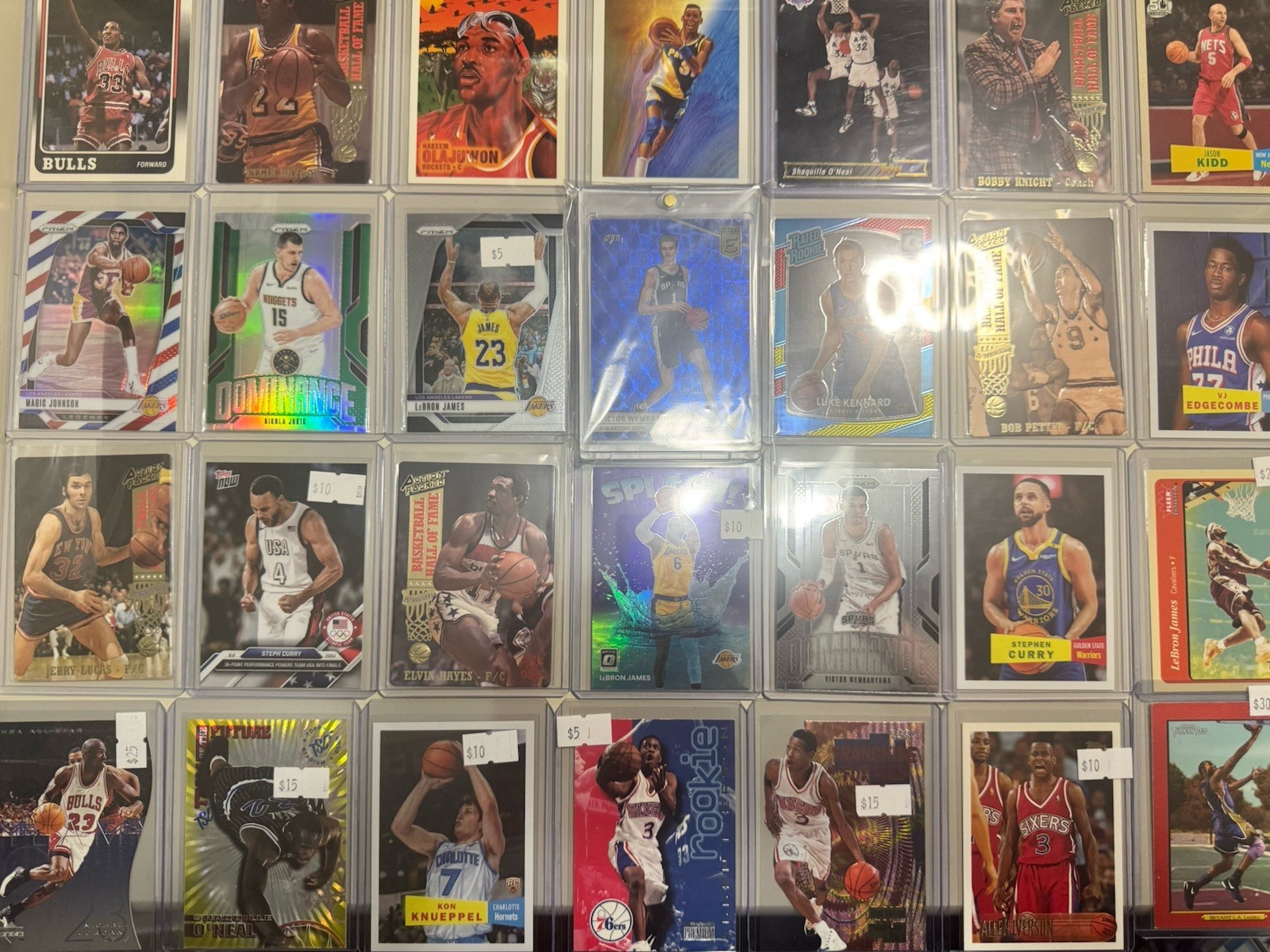
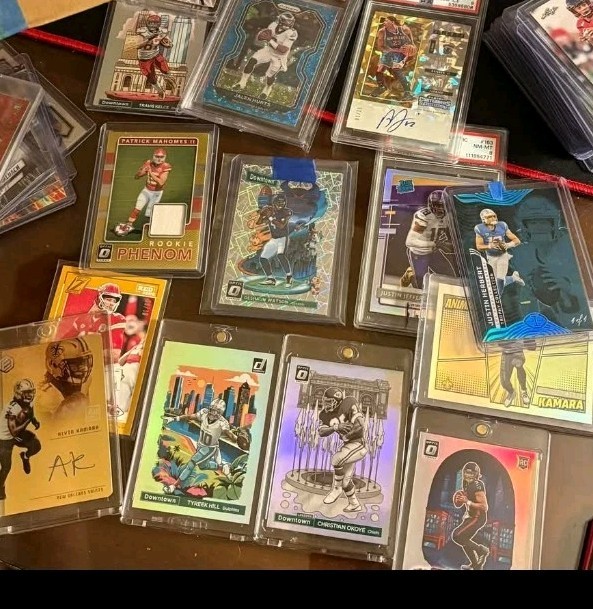


eBay links are affiliate links: JunkPal may earn a commission at no cost to you.
Resale values related to base set
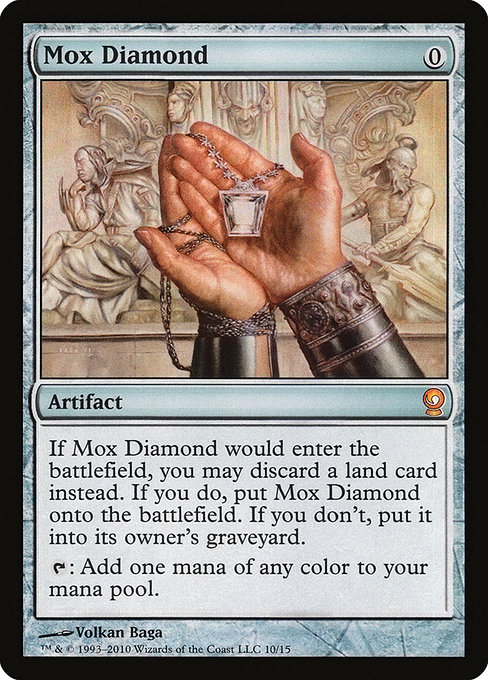
Shop base set on eBay ↗


![Zapdos [Tekno] #145](/api/images/junkpal-products/cards/zapdos-tekno-145-pokemon-2000-topps-chrome-card/img0/thumb.webp)
![Charizard [Reverse Holo] #3](/api/images/junkpal-products/cards/charizard-reverse-holo-3-pokemon-legendary-collection-card/img0/thumb.webp)
![Charizard [Tekno] #6](/api/images/junkpal-products/cards/charizard-tekno-6-pokemon-2000-topps-chrome-card/img0/thumb.webp)
JunkPal may earn a commission when you buy through eBay links, at no extra cost to you.
What’s worth the most
Ranked on medians of real closed eBay sales, not asking prices.