What does “attack value” mean?
What it means
Attack value is the numerical statistic assigned to a card that quantifies its offensive power within a Collectible Card Game (CCG). This is the primary metric for determining a creature's raw damage output during combat. It is not synonymous with overall card power, which also incorporates defense (HP/Toughness), abilities, and synergy. For resellers, attack value is a direct indicator of a card's mechanical viability. High attack values signal potential utility in competitive formats, while low values suggest niche or casual appeal.
What it does to price
Attack value is a contributing factor, not the sole driver, of price. A card with a high attack value from a highly sought-after, modern, or "meta-defining" set can command significant premiums. For example, a staple creature in a current competitive format with a high attack value might see a CIB (Complete 1st Edition) copy fetch 2x to 5x the price of a modern reprint, depending on rarity. Conversely, a card with a high attack value but from an obscure, older set with no current competitive relevance may trade for only 1.2x the price of a common card from the same set. The impact is amplified by scarcity; high attack value on a scarce print yields maximum return.
How to spot it
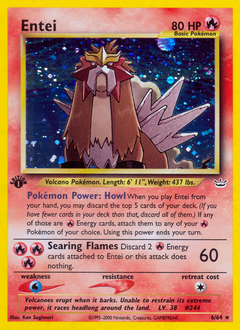
Attack value is printed directly on the card's text box, usually adjacent to the creature's name or in a dedicated stats area. It is a fixed, immutable part of the card's design. When assessing authenticity, the placement and font of the attack value must match known print samples for that specific set and edition. Common mistakes include misreading the value due to damage or poor photography. Fakes sometimes replicate the art and text but fail to accurately reproduce the precise statistical formatting of the game. Always verify the printed number against a database for the card's known release specifications.
Buying smart
Paying a premium based solely on a high attack value is risky unless the card is proven to be relevant in the current competitive environment or is part of a known, high-demand thematic build. If a card has a high attack value but is functionally obsolete in current meta play, the premium is likely inflated by speculative nostalgia rather than utility. A fair deal involves the attack value being matched by proven market demand—i.e., other high-value cards from the same set are also performing well. If the card is a high-value staple, the premium is justified; if it's a high-attack outlier, treat it as a speculative gamble.
Selling smart
To maximize return, the listing must explicitly state the card's relevant attack value and, critically, its current competitive or thematic function. Do not just list "High Attack Card." Instead, state, "High Attack Value Staple for [Specific Format]." Providing a clear photo showing the attack value clearly is non-negotiable. For high-value cards, a brief note confirming its status (e.g., "Meta-Relevant," "High Utility") justifies the asking price and filters out low-ball offers, allowing the seller to capture the premium associated with mechanical strength.
On eBay right now
Current asking prices from live listings — not sold-comp medians.




eBay links are affiliate links: JunkPal may earn a commission at no cost to you.
Resale values related to attack value
Shop attack value on eBay ↗
![Meetup on Christmas Eve Ai SSP ([OSHI NO KO] Vol.2)](/api/images/junkpal-products/tcgcsv/meetup-on-christmas-eve-ai-ssp-685751-tcg/img0/thumb.webp)



JunkPal may earn a commission when you buy through eBay links, at no extra cost to you.
What’s worth the most
Ranked on medians of real closed eBay sales, not asking prices.