What does “mana cost” mean?
What it means
Mana cost is the resource expenditure required to cast a specific card in collectible card games, primarily Magic: The Gathering. It is the numerical or symbolic representation of the "price" of the card in the game's economy. This cost dictates the card's power level and strategic role. A low mana cost card is typically a utility or early-game play; a high mana cost card usually represents a significant, game-altering effect or a powerful finisher. For collectors, it is a proxy for inherent power, which directly correlates to market desirability.
What it does to price
Mana cost acts as a primary driver of perceived value. High mana cost cards, especially those that are competitively viable, command significant premiums. A powerful, high-cost staple card in a modern, popular format can easily see price increases of 4x to 10x compared to its bulk counterpart. Conversely, a low mana cost card with a minor effect will rarely command high prices unless it is extremely rare or tied to a specific, limited format. For example, a common, low-cost utility card might sell for $0.50 loose, while a high-cost, format-defining threat might trade for $150+ in a near-mint condition.
How to spot it
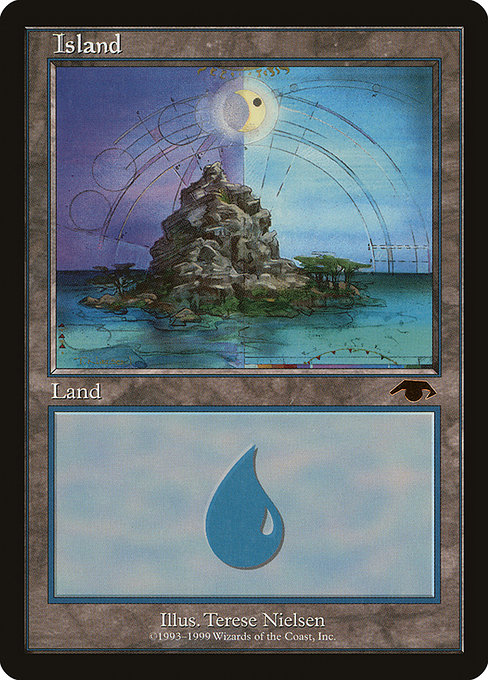
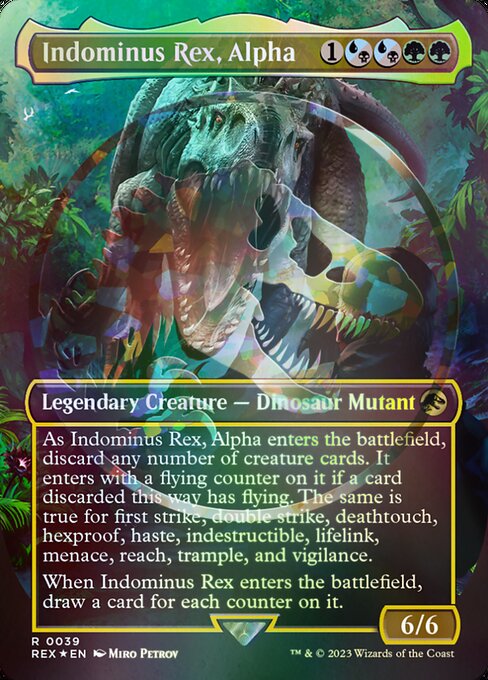
Mana cost is displayed directly on the card art box, usually in the upper-right corner. It consists of colored symbols (representing specific energy types) and generic numerical symbols. Sellers must provide high-resolution photos clearly showing this corner. Common errors include misidentifying the cost when comparing different printings of the same card, or failing to distinguish between the cost shown on a promo card versus a standard set card. Always verify the cost against a reliable database for the specific edition being sold.
Buying smart
Paying a premium based on mana cost is justified when the card is a known, high-impact staple in a currently popular or high-play-rate format. If a card is powerful but niche, the premium is speculative. A fair deal involves comparing the card's mana cost against its documented competitive usage. If a $50 card is only used in one obscure format, the price is inflated; if it is the cornerstone of multiple top-tier strategies, the price is warranted.
Selling smart
Listing the card with clear identification of its mana cost, coupled with confirmation of its condition, immediately frames its value proposition. Highlighting a high mana cost card that is also a known "meta staple" allows for a higher asking price. The single most effective element in a listing is a clear, well-lit photo of the mana cost area itself, proving the card's identity and condition without ambiguity. This eliminates buyer hesitation regarding authenticity and function.
On eBay right now
Current asking prices from live listings — not sold-comp medians.

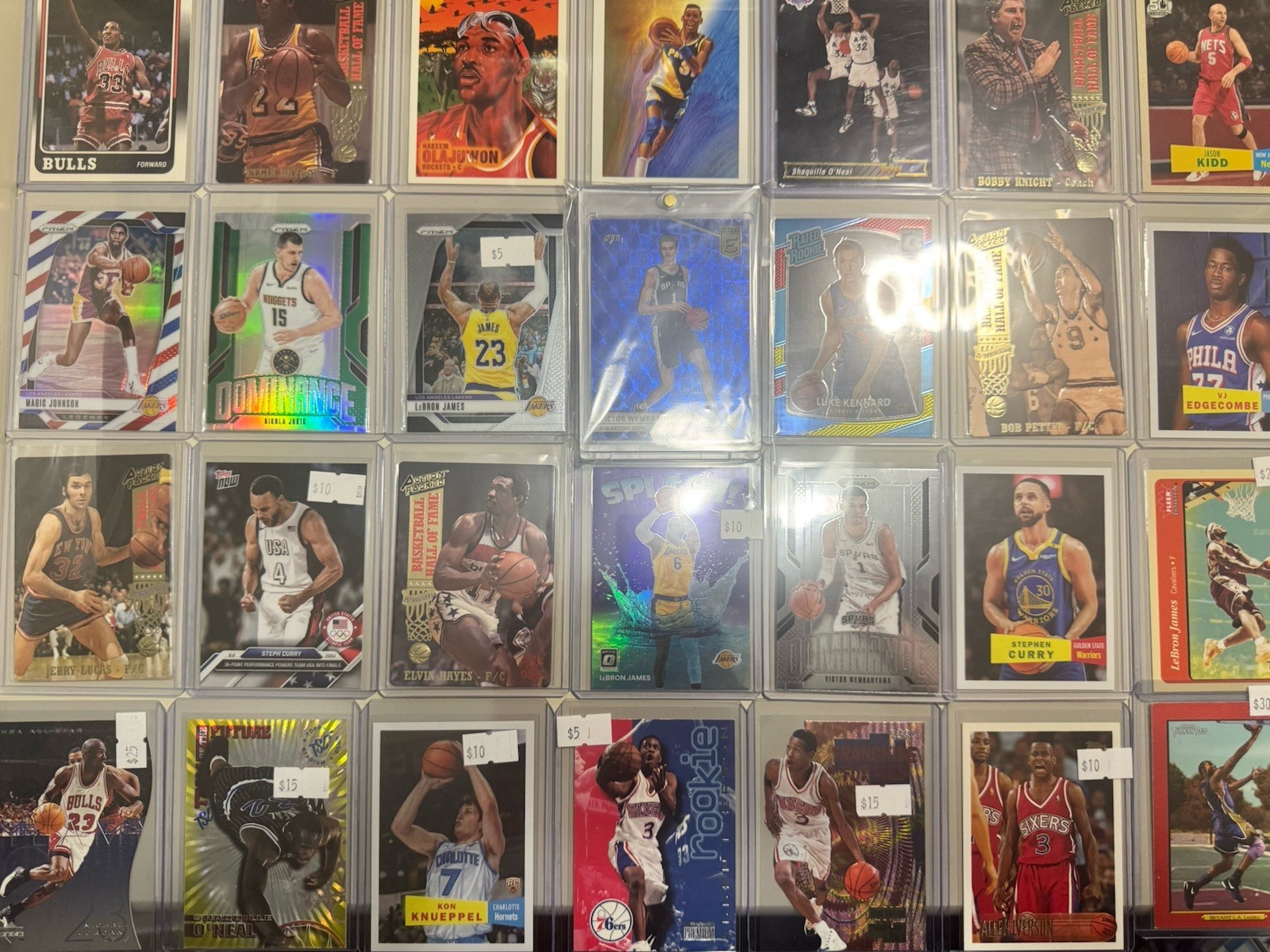
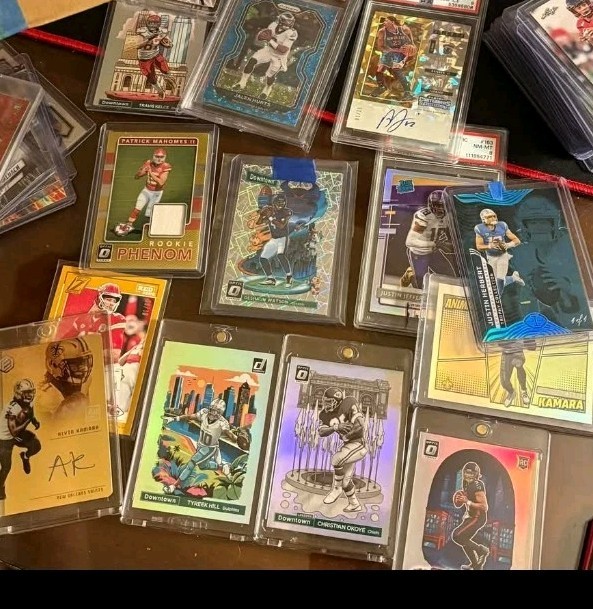

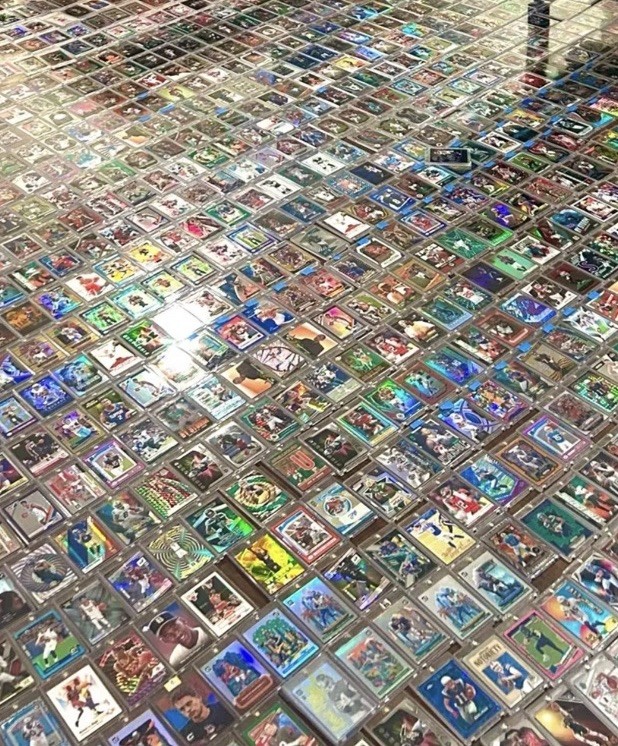

eBay links are affiliate links: JunkPal may earn a commission at no cost to you.
Resale values related to mana cost
Shop mana cost on eBay ↗




JunkPal may earn a commission when you buy through eBay links, at no extra cost to you.
What’s worth the most
Ranked on medians of real closed eBay sales, not asking prices.