What does “ultra rare pull rate” mean?
What it means
Ultra rare pull rate is the statistical frequency of acquiring a designated high-tier, scarce card within a sealed product (pack, box, or case). It is not a fixed percentage but a measure of rarity distribution within a specific product run. Mainstream equivalent: Drop rate. This applies specifically to "chase" cards—the cards intentionally made scarce to drive secondary market demand. A low pull rate means the card is difficult to obtain through standard opening, directly translating to higher perceived scarcity.
What it does to price
Low pull rates create exponential value spikes. A card with a known 1 in 500 pull rate will command significantly higher prices than a card with a 1 in 50 pull rate, assuming similar aesthetic quality. For example, a common holographic parallel might sell for $5 loose, while the ultra rare version with a 1:100 pull rate could fetch $75 loose, even if the base card is identical. High pull rates for chase cards often indicate oversupply, which depresses value.
How to spot it
Pull rates are rarely published officially and must be crowdsourced or inferred. Look for secondary market data from major grading companies or established community tracking sites. Physical tells involve specific card numbering (e.g., /10 or /50), unique foil patterns, or specific set identifiers that denote a limited print run. Sellers should provide verifiable evidence of the card's scarcity, such as a photo showing the card's unique numbering or a listing referencing the specific set's known rarity tier.
Buying smart
Paying a premium for a card based on its ultra rare pull rate is justifiable when the card is a recognized "grail" within the community and the market demand is proven stable. If the pull rate is unknown or based on anecdotal evidence, the premium is speculative risk. A fair deal requires the asking price to be within 1.5x to 2.5x the established loose market value for comparable, less rare versions of the same card. Avoid overpaying if the product run is known to be large or if the pull rate data is contradictory.
Selling smart
Proving the ultra rare status is the primary driver of premium pricing. Listing must explicitly state the known pull rate or the card's specific limited numbering (e.g., "1/10"). The single most effective element in a listing is a high-resolution photo clearly displaying the card's unique identifying number or serial code. This documentation shifts the transaction from a speculative purchase to a verifiable asset sale, allowing the seller to capture the full scarcity premium.
On eBay right now
Current asking prices from live listings — not sold-comp medians.

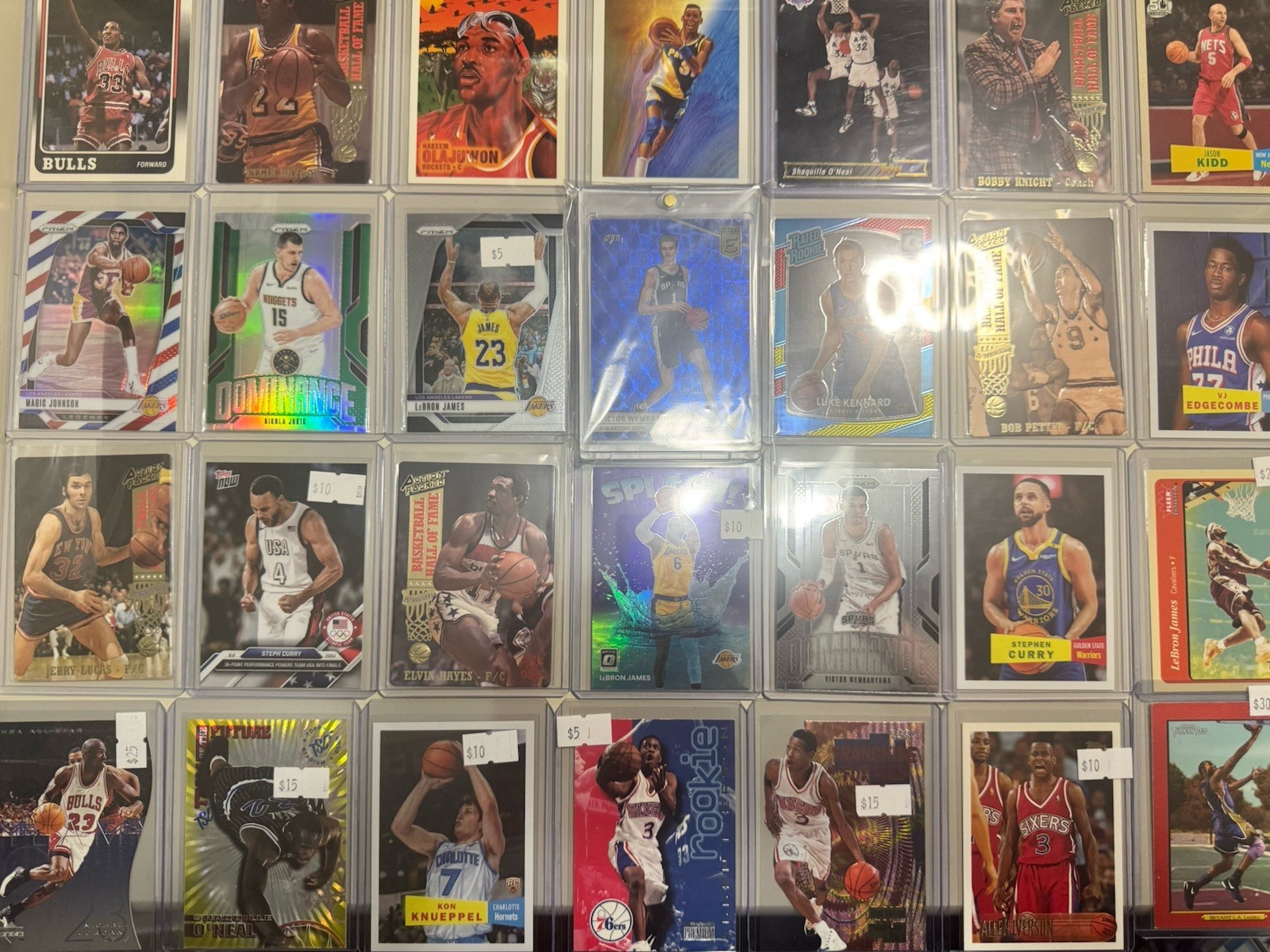
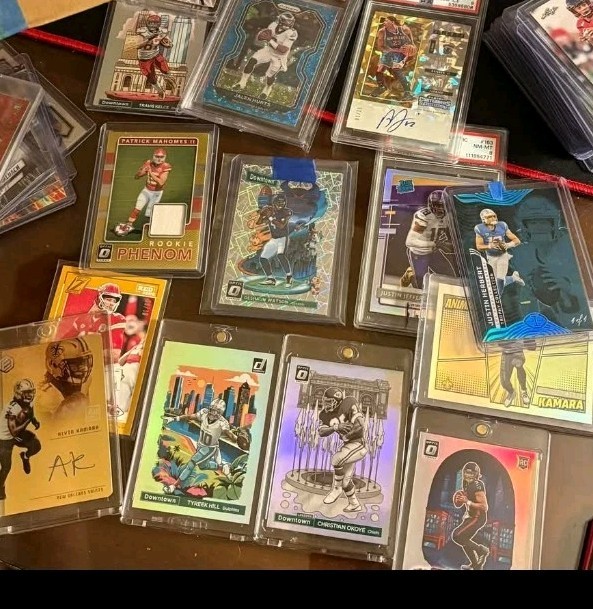



eBay links are affiliate links: JunkPal may earn a commission at no cost to you.
Resale values related to ultra rare pull rate
Shop ultra rare pull rate on eBay ↗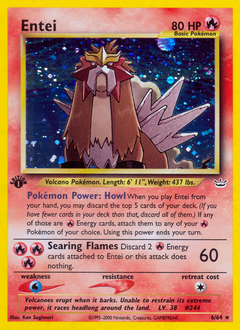







JunkPal may earn a commission when you buy through eBay links, at no extra cost to you.
What’s worth the most
Ranked on medians of real closed eBay sales, not asking prices.