What does “memorabilia card” mean?
What is a Memorabilia Card?
A memorabilia card is a trading card that has been augmented by an authenticated, physical piece of material directly connected to the card's subject. This inclusion moves the card beyond standard collectibles by providing verifiable provenance—it’s not just a picture; it’s a tangible artifact. While an autograph is a common form of memorabilia, the term is broader, encompassing game-worn jersey patches, swatches of equipment, or unique, documented print variations that confirm a real connection to the player or event.
Impact on Resale Value
The inclusion of verified memorabilia acts as a powerful, non-linear value multiplier. The impact is entirely dependent on the rarity of the base card, the significance of the inclusion, and the strength of the authentication. For a standard, graded card, adding a high-quality, authenticated piece of game-used material can elevate its market value by a factor of 2x to 10x. For example, a common rookie card might have a baseline value, but if it features a professionally authenticated swatch of game-worn fabric, the asking price can easily enter high hundreds or thousands of dollars, provided the documentation is flawless. Conversely, unverified or generic inclusions add negligible value or introduce significant risk, which buyers will price in as a discount.
How to Authenticate and Spot It
Never trust the card alone; the supporting documentation is the single most critical element. To verify a genuine memorabilia card, you must look for official third-party authentication certificates from reputable grading services (like JSA or PSA/DNA). If the inclusion is a physical item, cross-reference the material against known gear from the relevant era. Be extremely cautious of facsimile autographs or generic, unverified patches lacking a clear chain of custody. Always demand high-resolution photographs of the inclusion itself, not just the card surface. For a deeper understanding of how these items are valued, review our guide on [Grading and Certification].
Real-World Context and Examples
Example 1 (High Value): Consider a vintage star player’s rookie card paired with a verified, authenticated piece of game-worn helmet material. The scarcity of the vintage card combined with the verifiable, high-grade memorabilia pushes this item into the premium tier, commanding a price far exceeding the card's standalone value.
Example 2 (Mid Value): A modern player's base card featuring a professionally authenticated, on-card autograph. While this is often grouped under "autographed," it fits the memorabilia definition. The value increase here is substantial, but it is heavily influenced by the player's current market demand and the rigor of the signature verification. For detailed market trends, check our [Price Guide].
Buying and Selling Strategy
Buying Smart: Only commit to a significant premium when the subject is a blue-chip athlete and the memorabilia is both verifiable and directly linked to a significant moment. If the inclusion is generic or documentation is weak, treat it as a standard card.
Selling Smart: Your listing must explicitly define the item: a standard card *plus* a verified piece of memorabilia. The authentication certificate, photographed alongside the card and the inclusion, is your most powerful sales tool. Be precise to attract serious, informed buyers.
FAQ
Q: Is an autograph always considered memorabilia?
A: Not necessarily. An autograph is one specific type of inclusion. A memorabilia card covers a much broader scope, including physical items like patches, game-used fabric, or unique printing variations, in addition to signatures.
Q: What is the difference between memorabilia and a sticker?
A: A sticker is a printed, manufactured element added to the card, offering no unique provenance. Memorabilia, by definition, is a genuine, physical artifact—like a piece of actual jersey material—that has a documented connection to the player or event.
Q: How do I know if the memorabilia is real?
A: The primary defense against fakes is third-party authentication. Always require official certification for the inclusion, and scrutinize the chain of custody provided by the seller. If the documentation is weak, the item is inherently risky.
Related on JunkPal
On eBay right now
Current asking prices from live listings — not sold-comp medians.

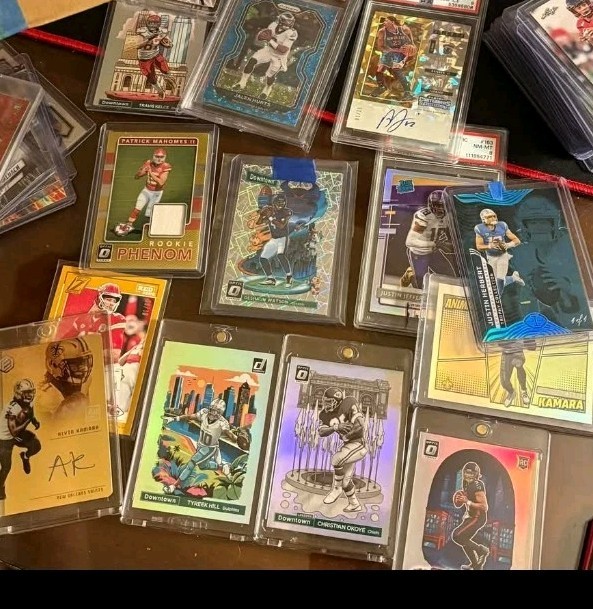


eBay links are affiliate links: JunkPal may earn a commission at no cost to you.
Resale values related to memorabilia card
Shop memorabilia card on eBay ↗
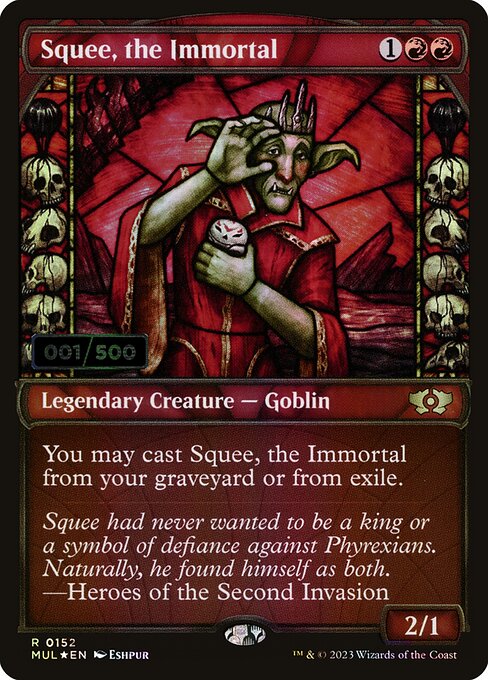

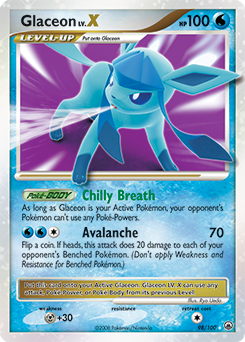
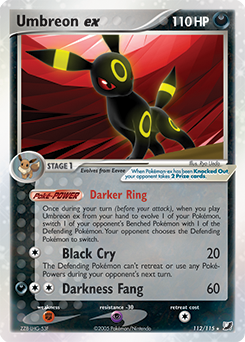
![Meetup on Christmas Eve Ai SSP ([OSHI NO KO] Vol.2)](/api/images/junkpal-products/tcgcsv/meetup-on-christmas-eve-ai-ssp-685751-tcg/img0/thumb.webp)
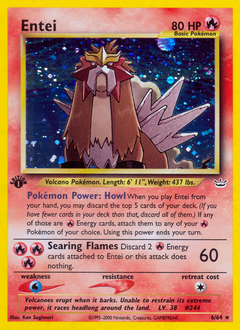

JunkPal may earn a commission when you buy through eBay links, at no extra cost to you.
What’s worth the most
Ranked on medians of real closed eBay sales, not asking prices.