What does “graveyard” mean?
What it means
"Graveyard" in trading card collecting refers to the discard pile or the designated area where cards are moved out of active play during a specific card game. This term is functional jargon tied to gameplay mechanics, primarily seen in games like Magic: The Gathering. It is not a standard term related to card grading (like PSA or BGS) or general collectible condition. For the vast majority of collectors focused on sealed products or high-grade singles, the term is irrelevant. The mainstream equivalent is simply "discard pile." Its relevance only arises when dealing with game-used cards or cards being sold specifically within the context of a documented game state.
What it does to price
The presence of a card in a graveyard has no inherent, universal impact on its base collectible value. A standard, near-mint single card maintains its value regardless of whether it was played or discarded. However, if a card is being sold *as part of a specific, documented game state* (e.g., "This deck configuration includes X in the graveyard"), the value is dictated by the overall game state, not the card itself. For a single card, the difference between a played copy and a pristine, never-played copy can be significant, often resulting in a 20-50% price difference depending on the card's rarity and desirability. A pristine copy of a $50 card will fetch $50+; a card sold as a "used" component in a specific scenario might trade for $30-$40.
How to spot it
Spotting the "graveyard" is not about physical card characteristics but about context. If a seller is listing a card as part of a collection or game setup, the description will explicitly state its status (e.g., "Played Copy," "In Graveyard"). There are no edition markers or print details that denote a card has been "in the graveyard." The primary tell is the listing description itself. Buyers must request clear photos of the card *outside* of any game mat or play area to confirm its condition is independent of its usage history. Fakes are not related to graveyard status; they relate to printing and card stock.
Buying smart
Paying a premium specifically for a card because it was "in the graveyard" is almost never a smart financial decision unless the card is extremely rare, highly sought after for its gameplay history, or part of a documented, high-value competitive set. For standard collecting, the card's condition (Near Mint, Lightly Played) is the only relevant factor. A fair deal for a single card is based on its condition relative to market averages for that set. If the premium is only for the *story* of the card being played, the buyer is paying for narrative, not intrinsic collectible value.
Selling smart
When selling a single card, the status of the graveyard is irrelevant unless the seller is specifically marketing it as a "played copy" or "game-used" item. If the card is pristine, list it as such. If the seller chooses to highlight that the card was used in a game, the listing must be transparent. The single word "Played" or "Game Used" in the title or description is the key differentiator. This word immediately signals to a niche buyer that the card carries a different, often lower, value than a pristine copy, managing buyer expectations and preventing disputes over condition.
On eBay right now
Current asking prices from live listings — not sold-comp medians.



eBay links are affiliate links: JunkPal may earn a commission at no cost to you.
Resale values related to graveyard
Shop graveyard on eBay ↗
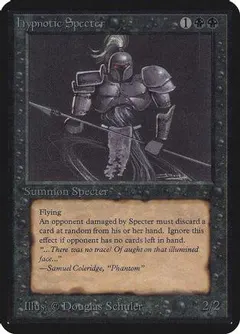
![Dark Dragonite [Reverse Holo] #5](/api/images/junkpal-products/cards/dark-dragonite-reverse-holo-5-pokemon-legendary-collection-card/img0/thumb.webp)
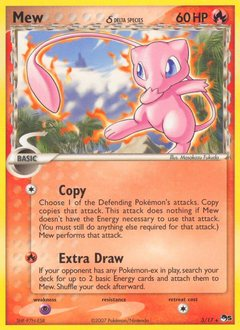
![Magikarp [Sparkle] #129](/api/images/junkpal-products/cards/magikarp-sparkle-129-pokemon-2000-topps-chrome-card/img0/thumb.webp)
![Psyduck [Reverse Holo] #88](/api/images/junkpal-products/cards/psyduck-reverse-holo-88-pokemon-legendary-collection-card/img0/thumb.webp)
JunkPal may earn a commission when you buy through eBay links, at no extra cost to you.
What’s worth the most
Ranked on medians of real closed eBay sales, not asking prices.