What does “reverse holo pattern” mean?
What it means
Reverse holo pattern refers to a specific printing anomaly where the holographic foil treatment is applied to the back of a trading card instead of the standard front-facing application. This is a manufacturing variation, not a deliberate design feature. The mainstream equivalent is a "foil placement variant." Not every card in a set will exhibit this; it is a specific production error or intentional, limited print run. Its presence immediately classifies the card as a variant, separating it from the base population.
What it does to price
The presence of a reverse holo pattern acts as a significant scarcity multiplier. For highly desirable, low-print-run cards, this variant can command a 2x to 5x premium over the standard, non-holo-backed version, depending on the card's base popularity. For mid-tier cards, the jump is typically 1.5x to 2.5x. A common example: a standard $10 card might sell for $25-$30 if it possesses the reverse holo pattern, provided the card is in near-mint condition. Factors that deflate the price include heavy wear or poor centering.
How to spot it
The tell is visual confirmation: the holographic sheen must be visible on the card's reverse surface. Sellers must provide high-resolution, well-lit photos of the back. Look for inconsistencies in the foil application—sometimes the pattern is patchy or slightly misaligned compared to known examples of the set. A common honest mistake is confusing a standard, non-holo card with a reverse holo variant due to poor lighting. Fakes are rare but usually involve attempting to apply foil stickers to the back; these often look uneven or peelable.
Buying smart
Paying a premium for this variant is justified only when the card is a high-demand chase card within the set, or if the card is otherwise flawless (PSA 10 equivalent). If the base card is low-demand, the added cost of the variant often outweighs the potential return. A fair deal requires the asking price to be supported by comparable sales data for *that specific variant*. If the seller is asking 3x the price of the standard card with no supporting evidence of rarity, the deal is likely inflated.
Selling smart
Listing the card as a "Reverse Holo Pattern Variant" is non-negotiable for maximizing returns. This specific terminology immediately filters the buyer pool to those actively seeking variants, justifying the higher price point. The single most effective piece of evidence is a clear, centered photograph of the card's back showing the foil pattern. Use the specific term in the title and description; vague language reduces perceived scarcity.
On eBay right now
Current asking prices from live listings — not sold-comp medians.



eBay links are affiliate links: JunkPal may earn a commission at no cost to you.
Resale values related to reverse holo pattern
Shop reverse holo pattern on eBay ↗
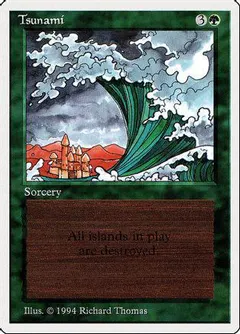
![Kyogre [Gold Star 1st Edition] #28](/api/images/junkpal-products/cards/kyogre-gold-star-1st-edition-28-pokemon-japanese-holon-research-card/img0/thumb.webp)
![Gengar [Reverse Holo] #10](/api/images/junkpal-products/cards/gengar-reverse-holo-10-pokemon-skyridge-card/img0/thumb.webp)

JunkPal may earn a commission when you buy through eBay links, at no extra cost to you.
What’s worth the most
Ranked on medians of real closed eBay sales, not asking prices.