What does NGC stand for?
What NGC Is
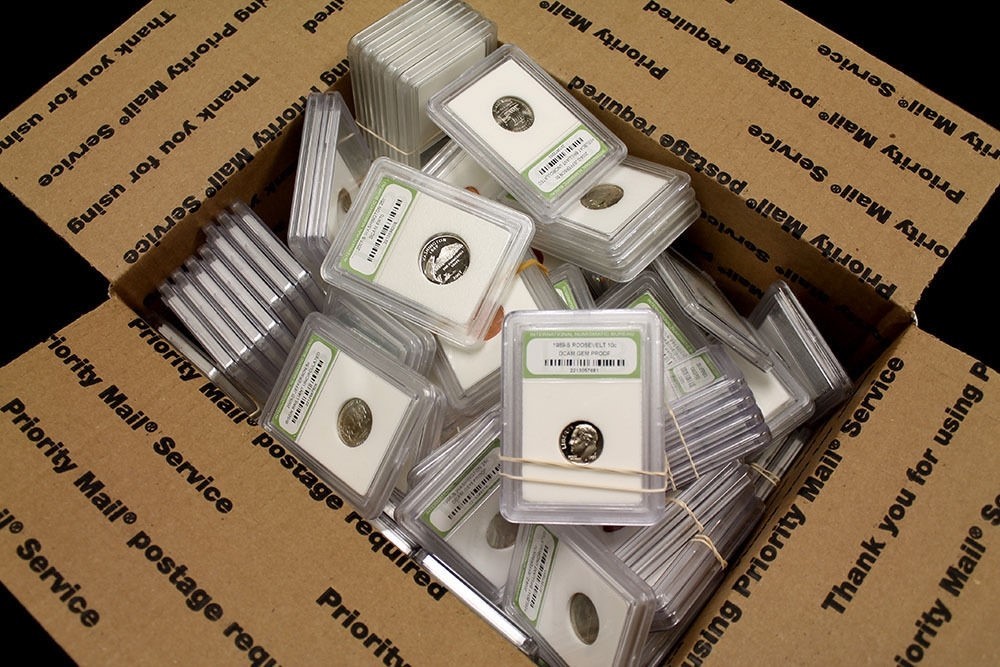
NGC stands for Numismatic Guaranty Company, one of the premier third-party grading services for coins. When a coin receives an NGC grade, it is sealed inside a tamper-evident plastic holder, or "slab." The assigned grade (e.g., MS-65, AU-58) is not a subjective opinion; it is an objective assessment based on measurable criteria, including the coin's wear, luster, and surface integrity. This certification transforms a raw specimen into a verifiable asset, providing buyers and sellers with an unbiased guarantee of quality.
How NGC Affects Resale Value
The certification from NGC provides a quantifiable value anchor, meaning graded coins almost always command a premium over comparable raw specimens. The magnitude of this premium is highly dependent on the coin's rarity and the specific grade jump. For common issues, the premium might range from 20% to 75%. However, for rare or high-demand coins, the multiplier can be substantially higher, potentially 3x or more when moving from a lower grade to a high-grade slab.
Price Impact Examples:
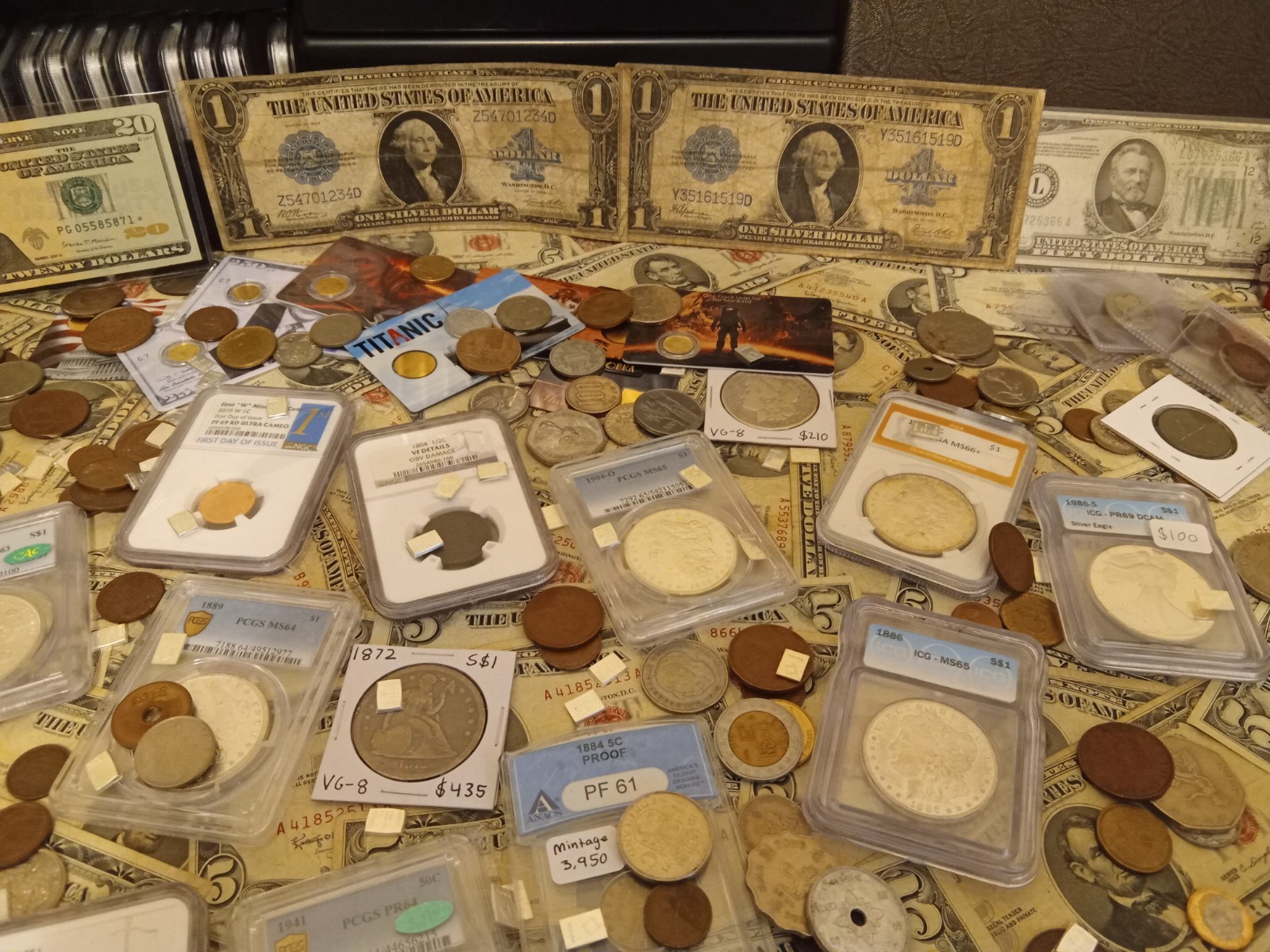
- Common Silver Dollar: A raw example might trade in the $50 range. If professionally graded MS-65 by NGC, the market value could realistically shift into the $125+ range, reflecting the added security and guaranteed condition.
- Rare Proof Coin: For a highly sought-after rare coin, the difference between an ungraded piece and an NGC-certified MS-67 slab can represent a multiplier of 4x or more, as the grade is the primary driver of investment value.
How to Spot and Verify NGC Certification
The definitive sign of an NGC-certified coin is the sealed, professionally designed holder displaying the coin's specific grade and a unique certification number. This number is your primary verification tool. Sellers must provide clear, high-resolution images of both the coin and the entire label/slab.
Verification Protocol: Never rely solely on the seller's word. Always take the certification number and cross-reference it directly on the official NGC website. This confirms the grade, verifies the authenticity of the slab, and ensures there has been no tampering. Be wary of "slab damage"—minor scuffs on the plastic holder that can negatively affect perceived value. For deeper insights into grading standards, review our guide on [Coin Grading Standards].
Buying and Selling Smart with NGC
Buying: Paying a premium for an NGC-graded coin is justified when the coin is rare, highly collectible, or when the grade is critical to its investment potential. If the coin is common and the grade difference is marginal (e.g., MS-63 vs. MS-64), the premium may not be worth the cost. Always compare the asking price against recent closed sales data for that exact grade.
Selling: Proof of grading is the single most effective way to maximize your return. Listing the coin as "NGC Graded MS-65" immediately targets serious collectors. The entire slab—logo, grade, and number—is the primary asset being sold. To understand the market dynamics influencing these sales, check out our [Price Guide for Coins].
FAQ
Q: What is the difference between NGC and PCGS?
A: Both are leading third-party grading services, but they use slightly different grading standards and encapsulate coins in their own proprietary holders. Collectors often prefer one over the other based on the specific coin type or desired market.
Q: Can I have an NGC grade if the coin is already graded by another company?
A: Generally, no. Once a coin is encapsulated and graded by one service, it is considered sealed. To change the grade, you would typically need to submit it for a "re-grade," though this process is complex and subject to service fees.
Q: Is an NGC grade always worth more than a raw coin?
A: Not always. If the coin is extremely common and the grade difference is minor, the added cost of the grading premium might outweigh the potential increase in market value. The premium is most significant for rare or high-demand issues.
Related on JunkPal
On eBay right now
Current asking prices from live listings — not sold-comp medians.




eBay links are affiliate links: JunkPal may earn a commission at no cost to you.