What does “bagged” mean?
What it means
"Bagged" refers to coins grouped and stored in bulk packaging, such as plastic bags, pouches, or bulk bins, rather than being individually graded, encapsulated, or presented in protective slabs. This is the raw, ungraded state of the inventory. The term signifies that the coins lack documented, individual authentication and a clear handling history. For the reseller or collector, this means the coins are being treated as inventory rather than as individually cataloged assets. The mainstream equivalent is "raw coin lots."
What it does to price
The "bagged" designation imposes a significant discount on market value. Price is driven almost entirely by the aggregate metal content and the perceived potential of the lot, not individual numismatic grade. If a single, authenticated coin in the lot would fetch \$500, the entire bagged lot containing it might sell for \$50–\$150, depending on the quantity and composition of the rest of the coins. Factors that increase value include known mintages or high-grade potential (e.g., a lot known to contain early proof strikes). Factors that decrease value include high quantities of common circulating dates or visible signs of environmental damage within the bag.
How to spot it
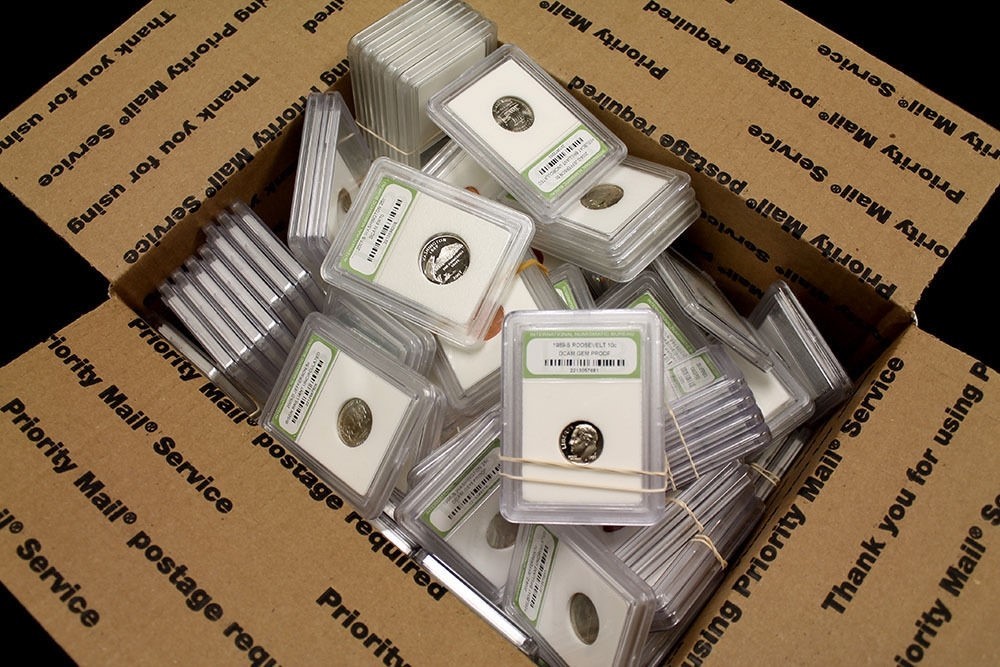
The tell is the packaging itself: coins are mixed together, often stacked or loosely contained within non-archival plastic bags or cardboard boxes without individual separation or grading labels. When dealing with suspected fakes, bagged lots are common vectors for mixed inventory—a genuine coin mixed with a common counterfeit. Sellers should be asked for high-resolution, close-up photos of the entire lot, specifically showing the coins *before* they are bagged, if possible. Honest mistakes often involve mislabeling a lot as "graded" when it is merely "stored in a protective sleeve," which is a subtle but important distinction.
Buying smart
Paying a premium for a bagged lot is only justifiable when the buyer is a dealer looking to sort, grade, or extract high-value specimens, or when the lot is known to contain a specific, rare, high-value type that is otherwise unavailable. It is not a good purchase for a casual collector seeking immediate display pieces. A fair deal requires the price per coin (or per known rare type) to be substantially lower than the current loose market price, often requiring a 60-75% discount off the expected high-end value.
Selling smart
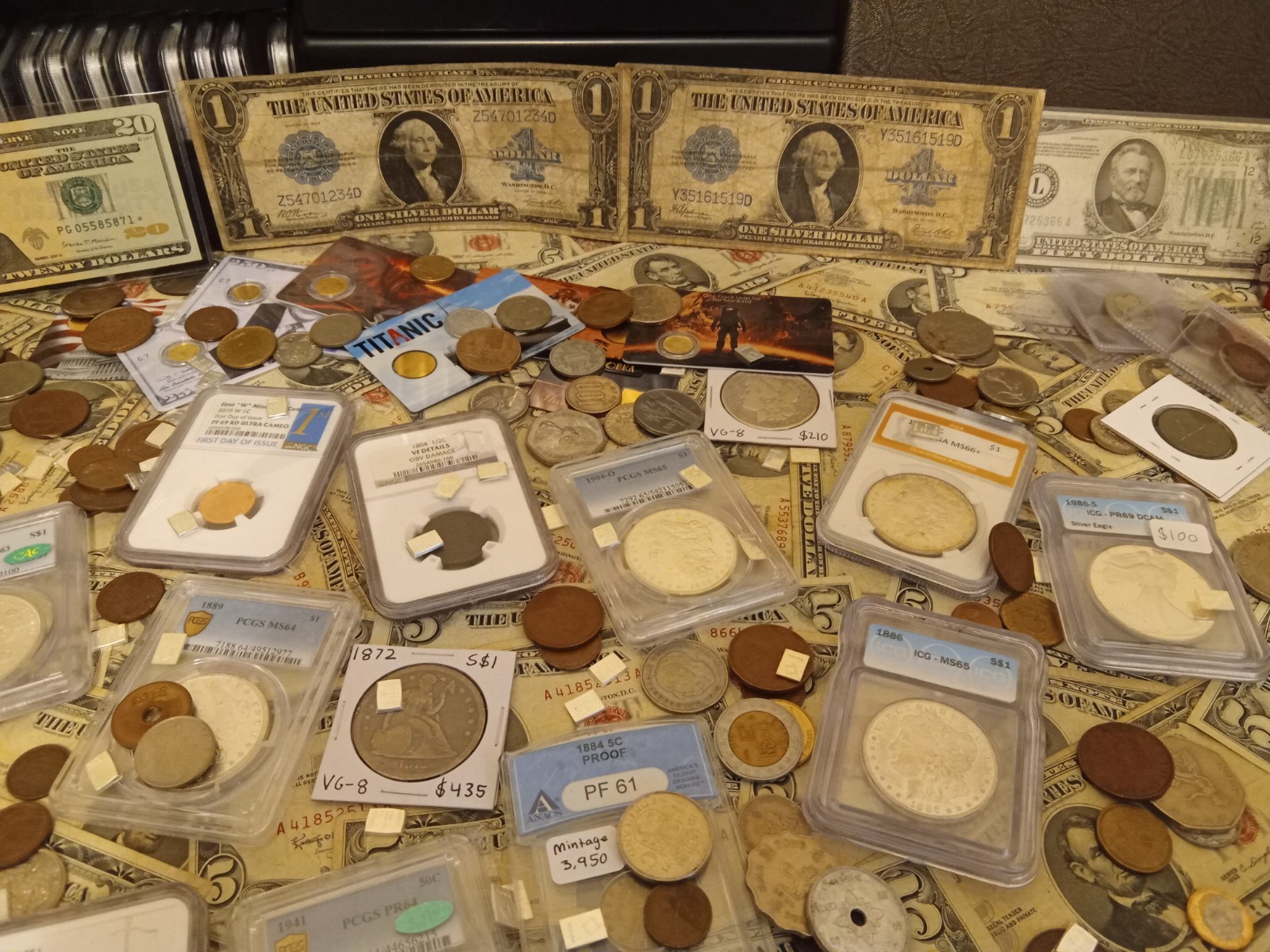
To maximize sale price, the listing must clearly define the condition as "Raw, Bagged Lot – Ungraded." Do not imply grading. The single most effective addition to a listing is a clear, well-lit photograph showing the coins *spilled out* or laid flat, allowing buyers to visually assess the general population and condition spread. Adding the phrase "Bulk Inventory" manages buyer expectations immediately, attracting dealers looking for raw material rather than retail collectors seeking pristine pieces.
On eBay right now
Current asking prices from live listings — not sold-comp medians.


eBay links are affiliate links: JunkPal may earn a commission at no cost to you.