What does “bag holder” mean?
What it means
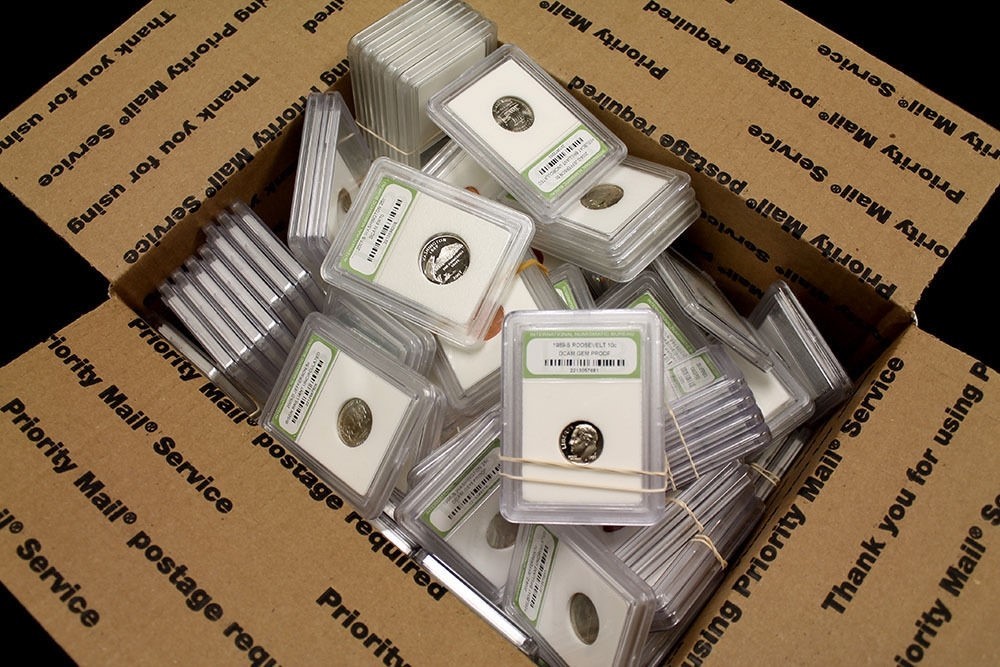
A bag holder is protective packaging for coins. It is a sealed sleeve, typically made of inert plastic (like Mylar or PVC-free polyethylene) or high-grade archival cardboard, used to isolate individual coins or small groupings. The function is preservation, not grading. It prevents physical abrasion, chemical transfer from handling, and environmental damage like moisture ingress. While some holders are branded, the term refers to the protective function itself. The mainstream equivalent is basic archival storage.
What it does to price
The presence of a proper, inert bag holder adds a minor, incremental premium, generally ranging from 2% to 10% over the loose coin value, depending on the coin's rarity and market segment. For common circulation coins, the difference is negligible, perhaps $0.50 to $2.00. For high-value, rare specimens, the premium can be higher, as the holder confirms the coin has been handled with care, reducing perceived risk for the buyer. A coin stored in a visibly degraded or reactive holder (e.g., one that has yellowed or leached chemicals) will see its value drop, potentially by 5% or more, regardless of the coin's intrinsic worth.
How to spot it
Authentic bag holders are typically clear, rigid, and free of visible chemical residue or discoloration. Look for inert materials; PVC holders are a major red flag as they off-gas plasticizers that cause green or brown spotting on copper and silver. Sellers should provide clear photos showing the coin *inside* the holder, not just the holder itself. A common mistake is using non-archival "display sleeves" meant for trading cards, which are often chemically unsuitable for numismatic items. Fakes in this context are rare; the issue is usually poor quality or reactive material being misrepresented as archival.
Buying smart
Paying a premium for a bag holder is worthwhile when the coin is high-grade or highly valuable, as the holder acts as a verifiable layer of preventative care. If the coin is common or low-value, the marginal cost of the holder does not justify the extra expense. A fair deal involves the holder being clearly visible, undamaged, and appearing to be made of inert material. If the seller cannot provide clear images of the coin within the holder, the buyer should assume the coin is loose and negotiate the price accordingly, removing the storage premium.
Selling smart
Listing a coin inside a quality, inert bag holder immediately elevates the perceived professionalism and care taken with the item. This allows for a higher asking price because the buyer perceives lower handling risk. The single most effective element in a listing is a high-resolution photo taken *through* the clear material of the holder, showing the coin's surface condition clearly. Use the descriptor "Archival Storage" or "Inert Holder" rather than just "in a bag" to signal quality and justify the premium.
On eBay right now
Current asking prices from live listings — not sold-comp medians.




eBay links are affiliate links: JunkPal may earn a commission at no cost to you.