What does “bagged variety” mean?
What it means
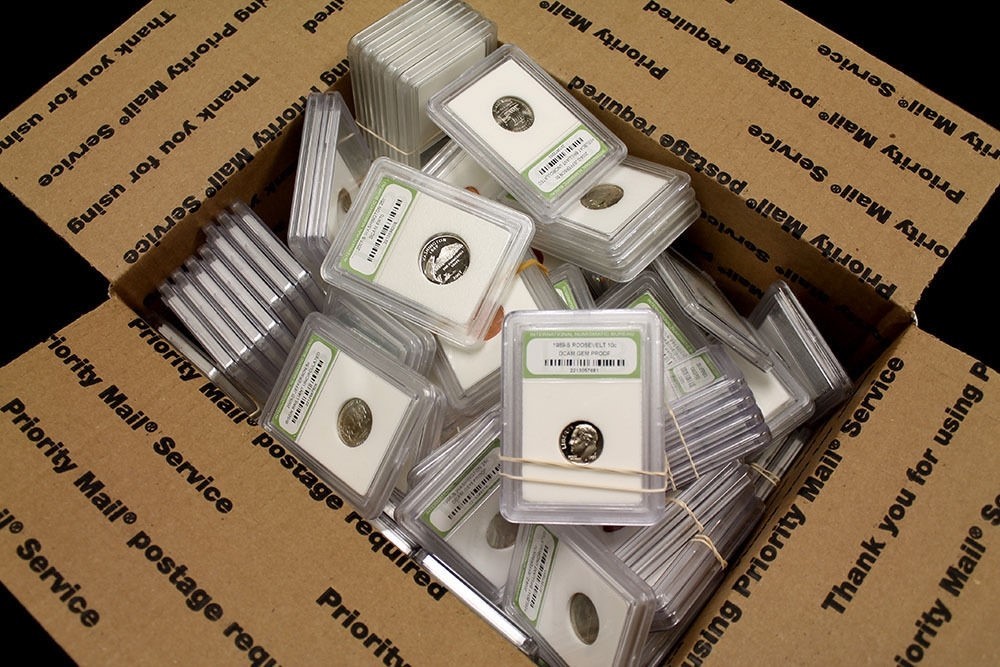
"Bagged variety" refers to a coin possessing a documented, recognized deviation from the standard mintage—a variation in die state, metal composition, or design elements. The "bagged" descriptor indicates the coin was acquired as part of a bulk lot, not as a pre-certified, individually graded specimen (e.g., MS-65 slab). This is not a grading descriptor; it describes provenance. The core value driver is the documented rarity of the specific variety, not the packaging. A variety is a known, cataloged difference, distinct from simple wear or accidental error.
What it does to price
The presence of a confirmed variety acts as a direct rarity multiplier. A common issue coin, ungraded and loose, might sell for $10. If that coin is confirmed to be a known, documented variety, the price can easily jump 3x to 8x, potentially reaching $30 to $80 depending on the variety's significance. Minor, common variations might only add 10-25% over the base price. Major, cataloged varieties can command exponential premiums. A single, verified variety can elevate a coin from a $5 common piece to a $50 sought-after piece.
How to spot it
Spotting a variety requires specific knowledge of the coin type. Tells are not universal; they are specific to the coin's catalog entry. Examples include subtle shifts in lettering alignment, specific die cracks, or changes in mint mark placement. Sellers must provide high-resolution images focused on the area of the claimed variation. Buyers must request photos of the specific feature cited. Common pitfalls involve misidentification—a common die flaw mistaken for a rare variety, or conversely, an honest manufacturing error being falsely labeled as a documented variety.
Buying smart
Paying a premium for a bagged variety is justified only when the variety is cataloged, documented by established numismatic authorities (like Krause or specific variety guides), and the seller can provide verifiable proof of that designation. If the claimed variety is obscure, undocumented, or relies solely on the seller's assertion, the premium is unwarranted. A fair deal requires the price increase to be proportional to the established rarity of the specific variation, not just the "variety" label itself.
Selling smart
Listing a coin as a "bagged variety" immediately separates it from the common market. The listing description must explicitly name the variety (e.g., "1955 Lincoln Cent, Die State X Variety"). Providing one clear, focused photograph highlighting the specific feature that defines the variety is crucial. This single piece of evidence allows the buyer to cross-reference the claim against established literature, validating the premium price and attracting specialized collectors willing to pay for documented rarity.
On eBay right now
Current asking prices from live listings — not sold-comp medians.




eBay links are affiliate links: JunkPal may earn a commission at no cost to you.