What does “authentication certificate” mean?
What it means
An authentication certificate is a document from a recognized third-party grading service (e.g., PCGS, NGC) verifying a coin's authenticity and assigning it a numerical grade. This is not merely a receipt; it is an industry-standard guarantee. The certificate confirms the coin is genuine and that its physical condition matches the assigned grade according to established grading scales. For the collector market, this shifts the item from a speculative piece to a verified asset. The certificate number links the physical coin to the digital record held by the grading company.
What it does to price
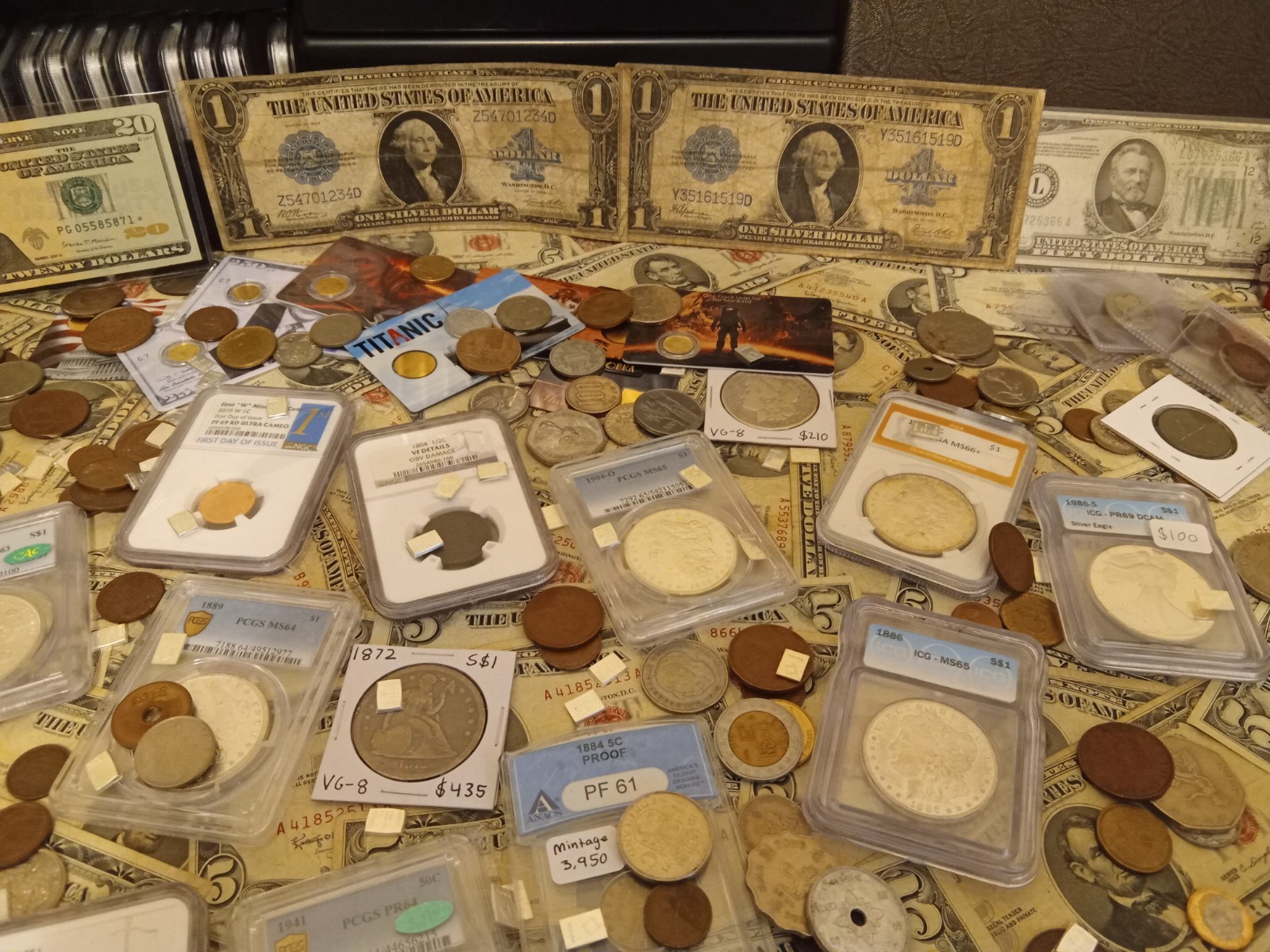
The presence of a reputable, sealed grading slab (which contains the certificate) adds immediate, quantifiable value. A coin graded and encapsulated typically fetches 1.5x to 5x the price of the same coin loose (ungraded), depending on the rarity and grade achieved. A high-grade coin, such as a MS-65, can see a premium of $500 to $5,000+ over its loose equivalent, purely due to the third-party validation removing purchase risk. Conversely, a certificate from an unaccredited or unknown service adds zero value and may signal a potential scam, causing prices to drop below loose market value.
How to spot it
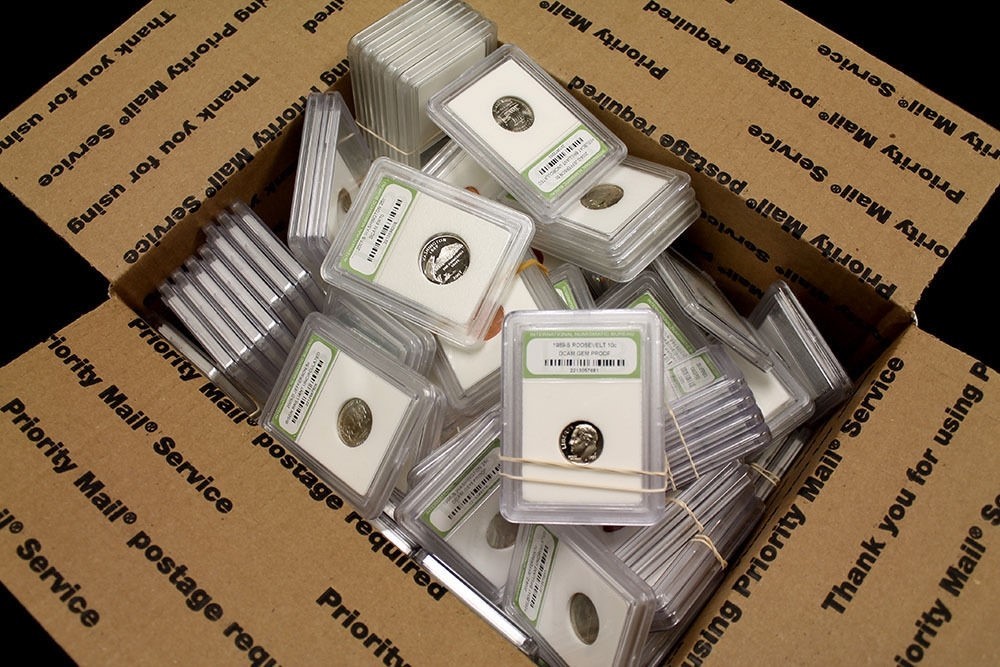
Authentic certificates are housed within tamper-evident plastic holders (slabs). Key tells include unique holograms, laser engraving on the slab, and a verifiable serial number that matches the number printed on the coin's label or encapsulation. Common mistakes involve sellers using "fake" or "repro" certificates—these often have blurry text, non-standard fonts, or serial numbers that do not correspond to the grading company’s database. Always ask for high-resolution photos of the slab's corners, the certification label, and the coin itself, ensuring the slab is sealed and intact.
Buying smart
Paying the premium for a graded coin is justified when the coin is rare, highly desirable, or when the grade is critical to the investment thesis (e.g., seeking a specific high-grade specimen). If the coin is common, the premium may not cover the cost of the slab itself. A fair deal means the price reflects the established market value for that specific grade *within* the grading company’s population report. If the asking price is significantly higher than the average sales price for that exact grade in the last six months, the premium is inflated.
Selling smart
Listing a coin with a verifiable, reputable certificate instantly widens the buyer pool to serious investors who require risk mitigation. The single most effective element in a listing is a clear, high-resolution photo of the entire graded slab, showing the certification label and grade prominently. Use the grading service’s name (e.g., "NGC MS-67") in the title. This transparency allows the seller to command the full market premium associated with third-party validation, bypassing the need to prove authenticity to the buyer.
On eBay right now
Current asking prices from live listings — not sold-comp medians.


eBay links are affiliate links: JunkPal may earn a commission at no cost to you.