What does “ancient coin” mean?
What it means
An ancient coin is a numismatic item originating from pre-classical or early historical civilizations. This category encompasses coinage from empires and cultures predating the Common Era (CE) or early CE. It is not merely currency; it is a primary historical artifact. The term covers vast periods, from early Bronze Age issues to the peak of classical empires like the Roman or Han dynasties. Collectors distinguish these from medieval or early modern coins based on the established historical dating and metallurgical composition.
What it does to price
Value is driven by rarity, documented provenance, and condition (grade). A coin from a major, well-documented ancient power (e.g., a high-grade Roman Denarius) can command thousands to tens of thousands of dollars. A common, heavily worn issue from a minor regional kingdom might sell for under $50. Condition is crucial; a coin graded Fine (F) versus Extremely Fine (EF) can see a 5x to 20x difference in price, depending on the coin's inherent scarcity. Provenance—documented history of ownership—adds a significant, non-quantifiable premium.
How to spot it
Authenticity verification requires detailed study of die characteristics, metal composition, and stylistic consistency with known hoards or mint output. Common issues include casting errors, base metal substitutions (lead/bronze where silver was expected), and modern reproductions. Sellers must provide high-resolution images showing the fine details of the portraiture and inscription, particularly around the rim. Fakes often exhibit overly sharp, unnatural details or inconsistent patina. Always cross-reference the visible mint marks or ruler titles against established academic catalogs.
Buying smart
Paying a premium is warranted when the coin is certified by a reputable third-party grading service (e.g., NGC, PCGS) and the historical context is verifiable. The premium is not justified for bulk lots of unverified, heavily circulated pieces, as the risk of forgery is too high. A fair deal involves a price that reflects the coin's established rarity tier within the specific ancient culture, not just its aesthetic appeal. If the price is more than 3x the established market average for similar known examples, caution is advised.
Selling smart
Listing must move beyond simple description. Providing a professional, high-resolution image of the obverse and reverse, clearly showing the metal surface and strike quality, is mandatory. If the coin has any documented link to a specific archaeological find or known collection, this information must be explicitly stated in the listing description. The single most valuable addition to a listing is a photograph showing the coin under magnification, highlighting the crispness of the legend or portrait details, which substantiates the claimed grade.
On eBay right now
Current asking prices from live listings — not sold-comp medians.


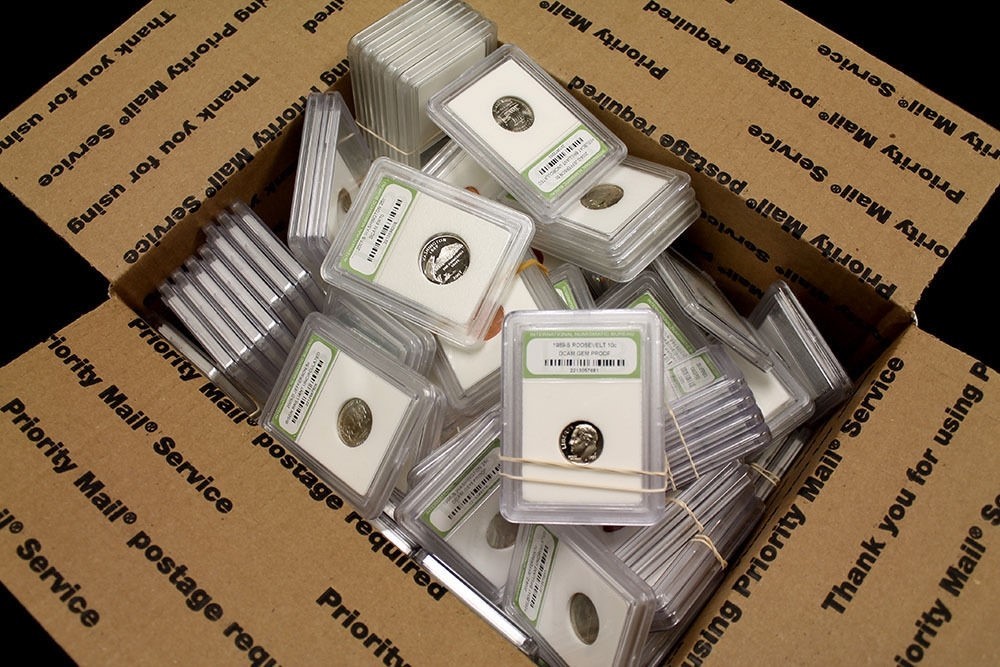
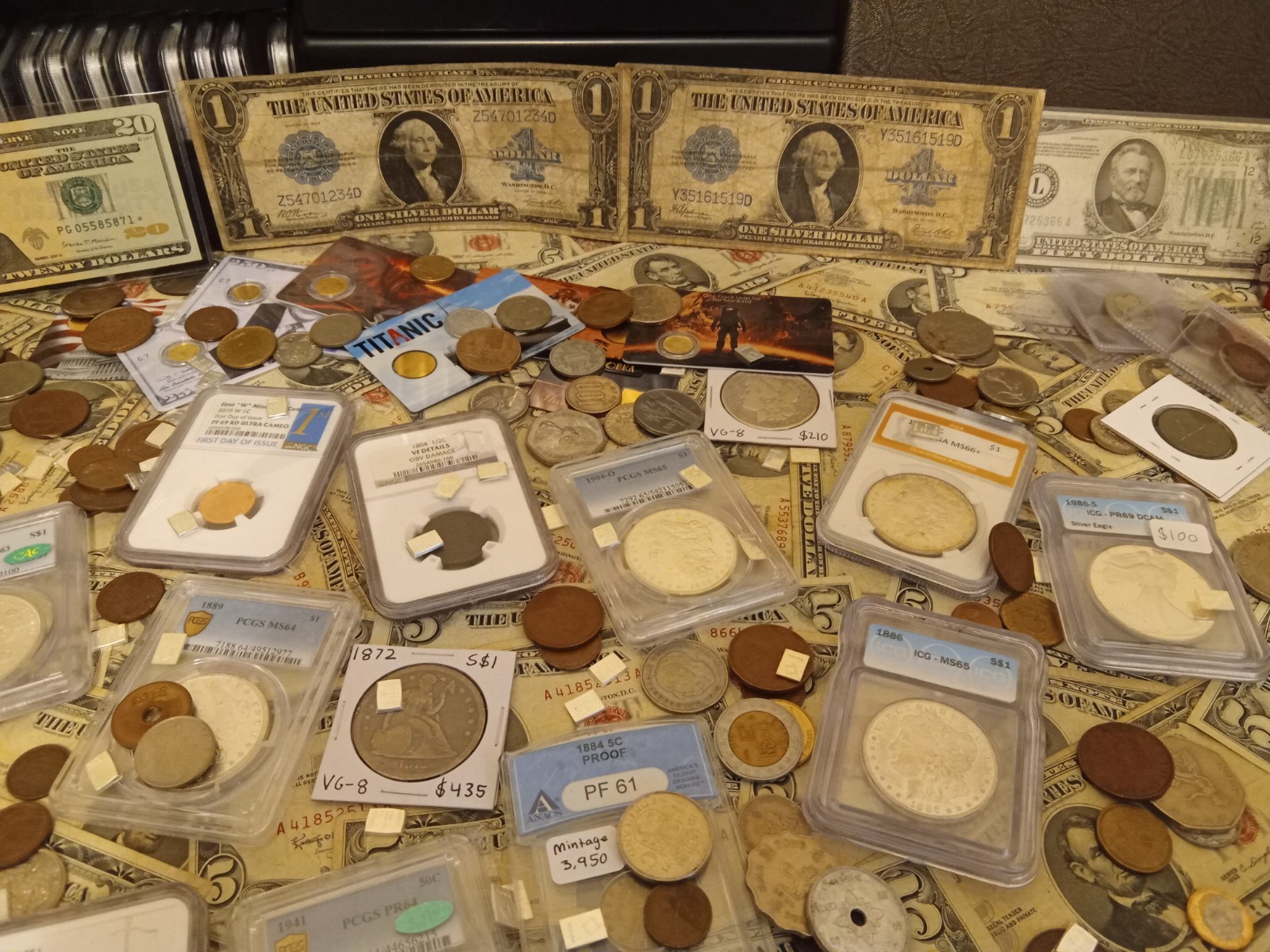
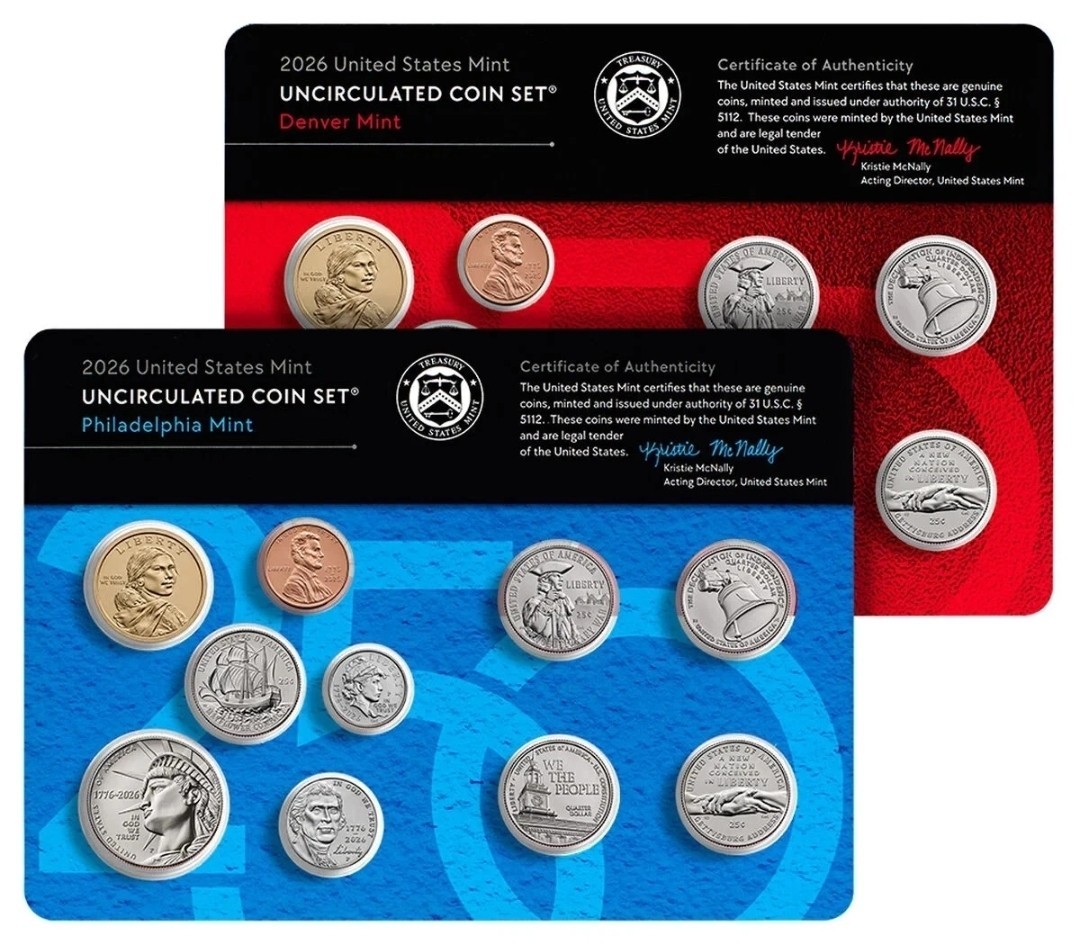
eBay links are affiliate links: JunkPal may earn a commission at no cost to you.