What does “bag break” mean?
What it means
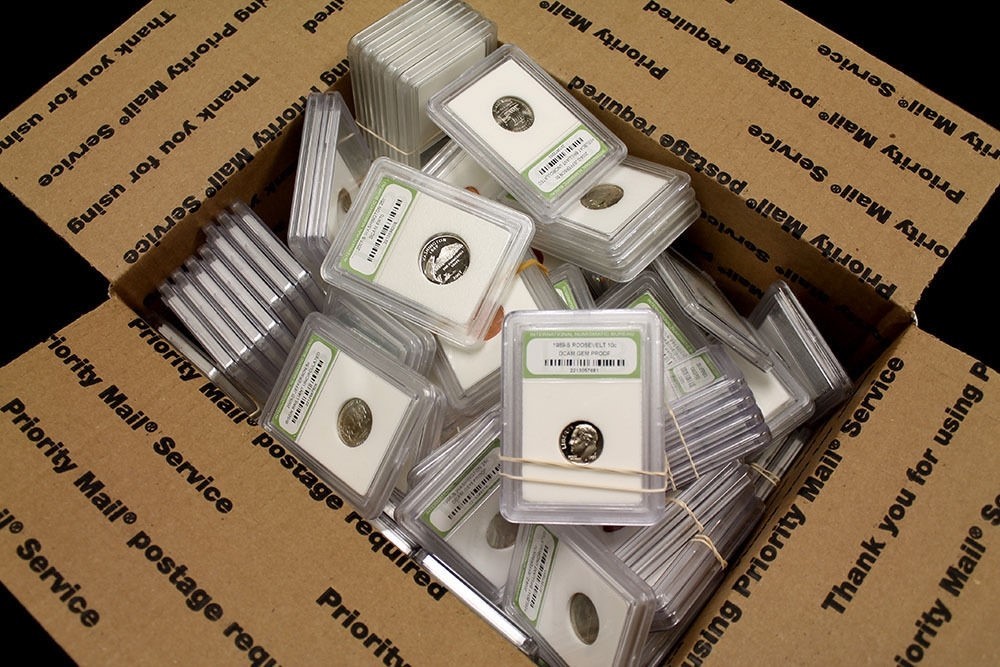
A bag break is the process of acquiring a large, mixed quantity of raw, ungraded coins—a "bag"—and subsequently sorting, authenticating, and grading each coin individually. This is not simply cleaning or organizing; it is the active, labor-intensive transformation of bulk inventory into individually cataloged, graded assets (e.g., PCGS or NGC slabs). The term replaces the mainstream concept of "bulk acquisition and grading." The value proposition hinges entirely on the efficiency and accuracy of the subsequent grading.
What it does to price
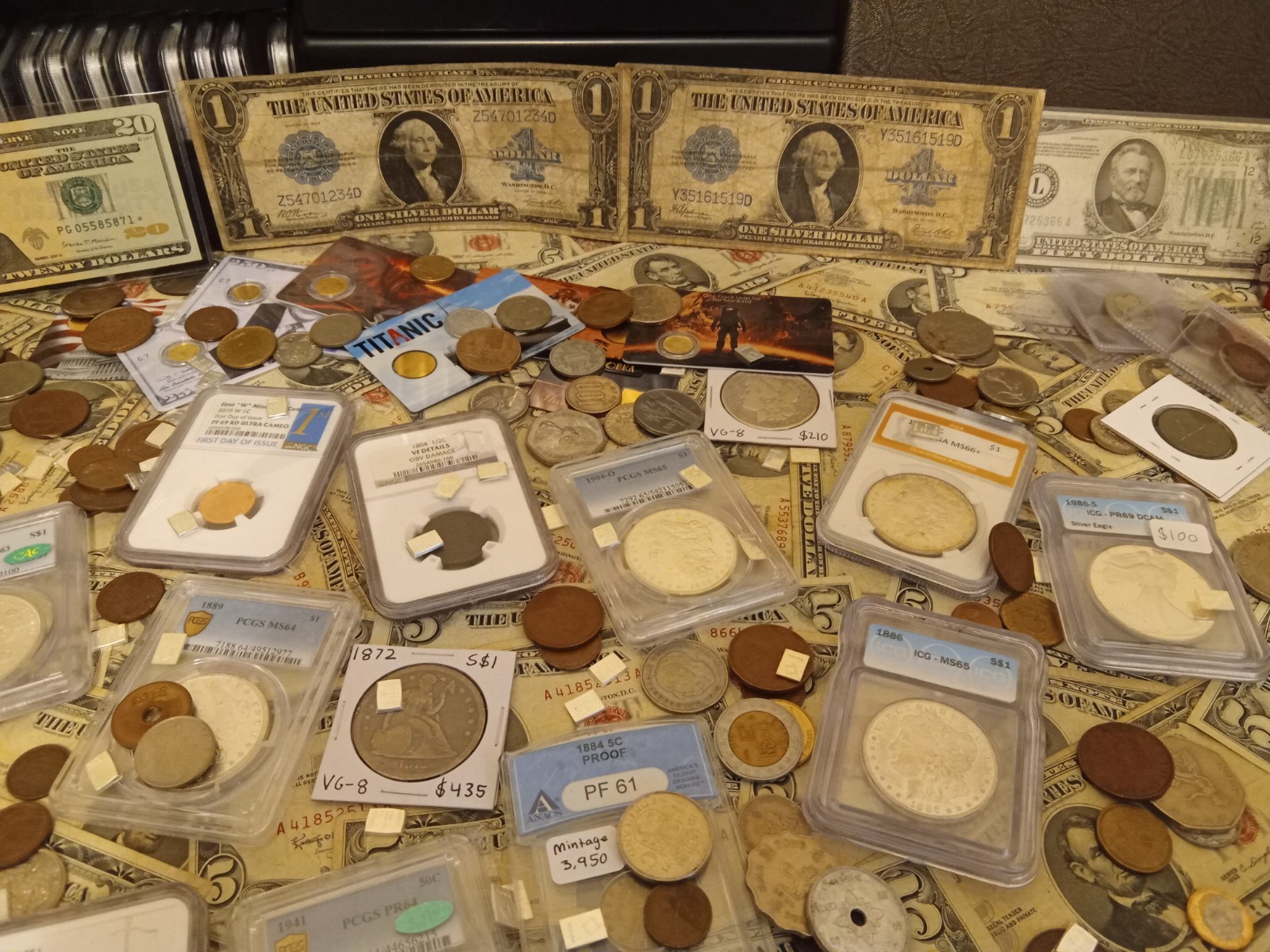
The bag break acts as a value multiplier, but the multiplier is highly variable. A bag of common circulation coins might yield a net profit of 10-30% after grading costs. Conversely, a bag containing even a few high-grade rarities can result in returns exceeding 100x the initial purchase price. The primary price driver is the *yield*—the ratio of graded, high-value coins to the total volume. A bag that yields one certified $10,000 coin drastically changes the price structure versus a bag yielding twenty $50 coins. A poorly sourced bag, even if large, can result in a net loss of 20-40% after labor and grading fees.
How to spot it
When assessing a bag, look beyond the quantity. Request high-resolution photos of the packaging and a sample spread. Look for signs of pre-sorting or batching, which indicates prior effort. Common red flags include inconsistent toning across the lot, suggesting mixed storage conditions, or excessive presence of known common modern circulation issues. Honest mistakes often involve misidentifying mint marks or confusing modern varieties with older errors. Fakes are usually found in the bulk before grading; if the bag is heavily saturated with known counterfeits, the bag break is a guaranteed loss.
Buying smart
Paying a premium for a bag break is justified only when the source has a proven track record of high-yield material. This is appropriate when the seller explicitly states the bag contains material from a known, high-volume source (e.g., estate liquidation of a known collector). It is not worth the premium for random, unverified "junk lots." A fair deal requires the purchase price to be significantly lower than the *potential* value of the highest-grade coins it might contain, factoring in the estimated cost of grading services (typically $20-$50 per coin).
Selling smart
When listing coins resulting from a bag break, the narrative shifts from "raw material" to "curated inventory." Proving the bag break process was rigorous—by showing a sample of the initial raw material alongside the final graded results—justifies a higher asking price. The single most effective element is a photo showing the *original packaging* next to the *final graded slab*. This visual evidence proves the labor and risk taken, allowing the seller to command a premium over someone who simply acquired the finished graded items.
On eBay right now
Current asking prices from live listings — not sold-comp medians.


eBay links are affiliate links: JunkPal may earn a commission at no cost to you.