What does “album” mean?
What it means
In numismatics, an album is a specialized binder or book designed for the systematic housing, organization, and display of coin collections. It functions as both storage and documentation. While some albums are high-end presentation pieces, the album itself is secondary to the contents. The term refers to the physical medium holding the specimens, not the coins themselves. Mainstream equivalent: a specialized photo album or binder.
What it does to price
The album's condition has a minor, indirect impact on price. A high-quality, recognized collector's album suggests meticulous care, which builds buyer trust. This trust can translate to a 5-10% premium on the collection's overall value compared to the same coins presented loosely. Conversely, a damaged, water-stained, or poorly maintained album suggests neglect, potentially warranting a discount of 5-15%. For example, a set of 50 circulated silver dollars in a pristine, archival-grade album might fetch $100 more than the same set in a damaged, cheap plastic binder.
How to spot it
Examine the album's construction: binding material, page quality, and protective sleeves. High-end albums use acid-free, archival materials. Look for manufacturer stamps or specific catalog numbers on the album itself, as these identify recognized brands. Sellers must provide clear photos of the album's spine and protective inserts. Common issues include cheap PVC sleeves, which can chemically damage coins over time, or albums with missing inventory pages.
Buying smart
Paying a significant premium for the album is only justified when the album is a recognized, archival-grade item *and* the collection inside is rare or high-value. If the coins are common circulation pieces, the cost of the premium album is rarely worth it; loose presentation is better. A fair deal involves the album being in excellent, fully intact condition, matching the perceived quality of the coins it holds. If the album is merely functional but not high-end, the price should reflect the coins alone.
Selling smart
Proof of proper housing adds immediate credibility. Listing the collection as "Professionally housed in archival album" commands a slight price increase. The single most effective element in a listing is a photograph showing the *inside* of the album, clearly displaying the coins within their protective mounts. This visual evidence of care mitigates buyer risk and justifies a higher asking price.
On eBay right now
Current asking prices from live listings — not sold-comp medians.


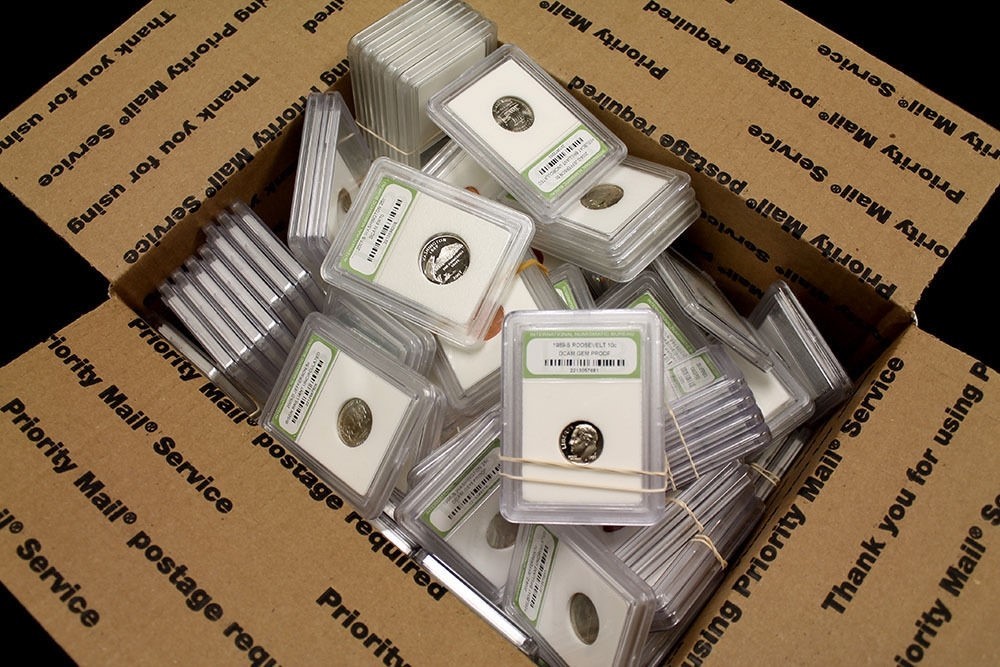
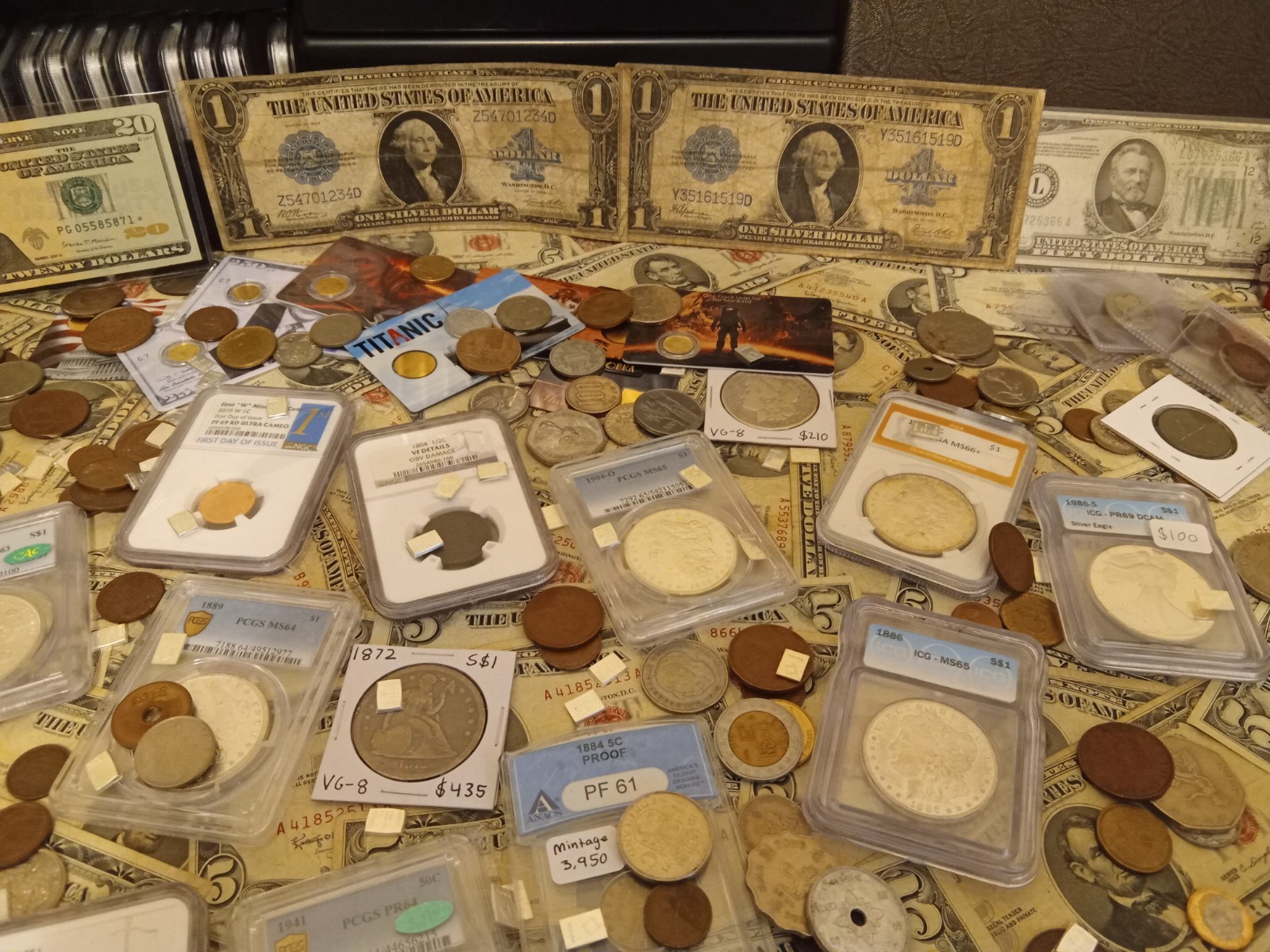
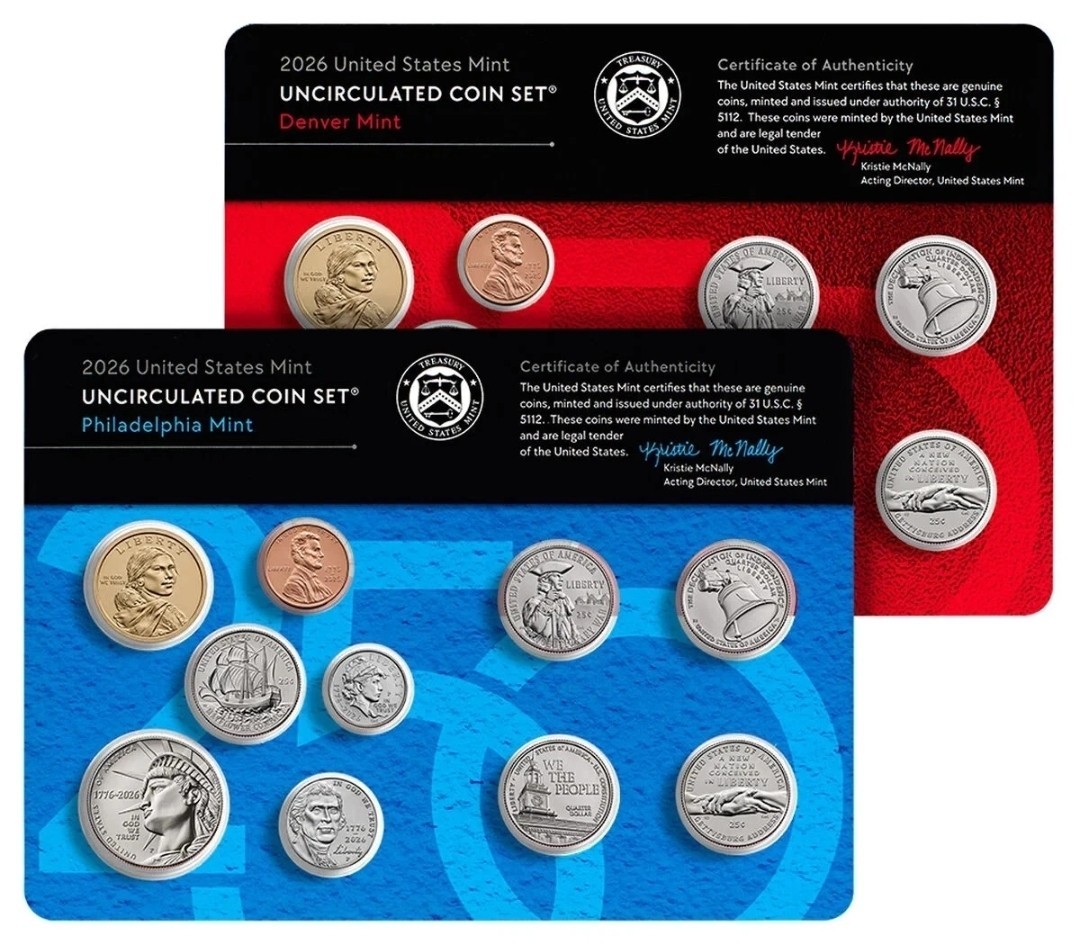
eBay links are affiliate links: JunkPal may earn a commission at no cost to you.