What does “authentication” mean?
What it means
Authentication in numismatics is the verification process confirming a coin's origin and genuineness. It confirms the coin is a genuine piece struck by the issuing authority, not a forgery or modern reproduction. The mainstream equivalent is verifying provenance. For resellers, authentication moves a coin from a speculative asset to a verifiable commodity. A coin lacking authentication is classified as "loose," meaning it has no third-party guarantee of its stated attributes.
What it does to price
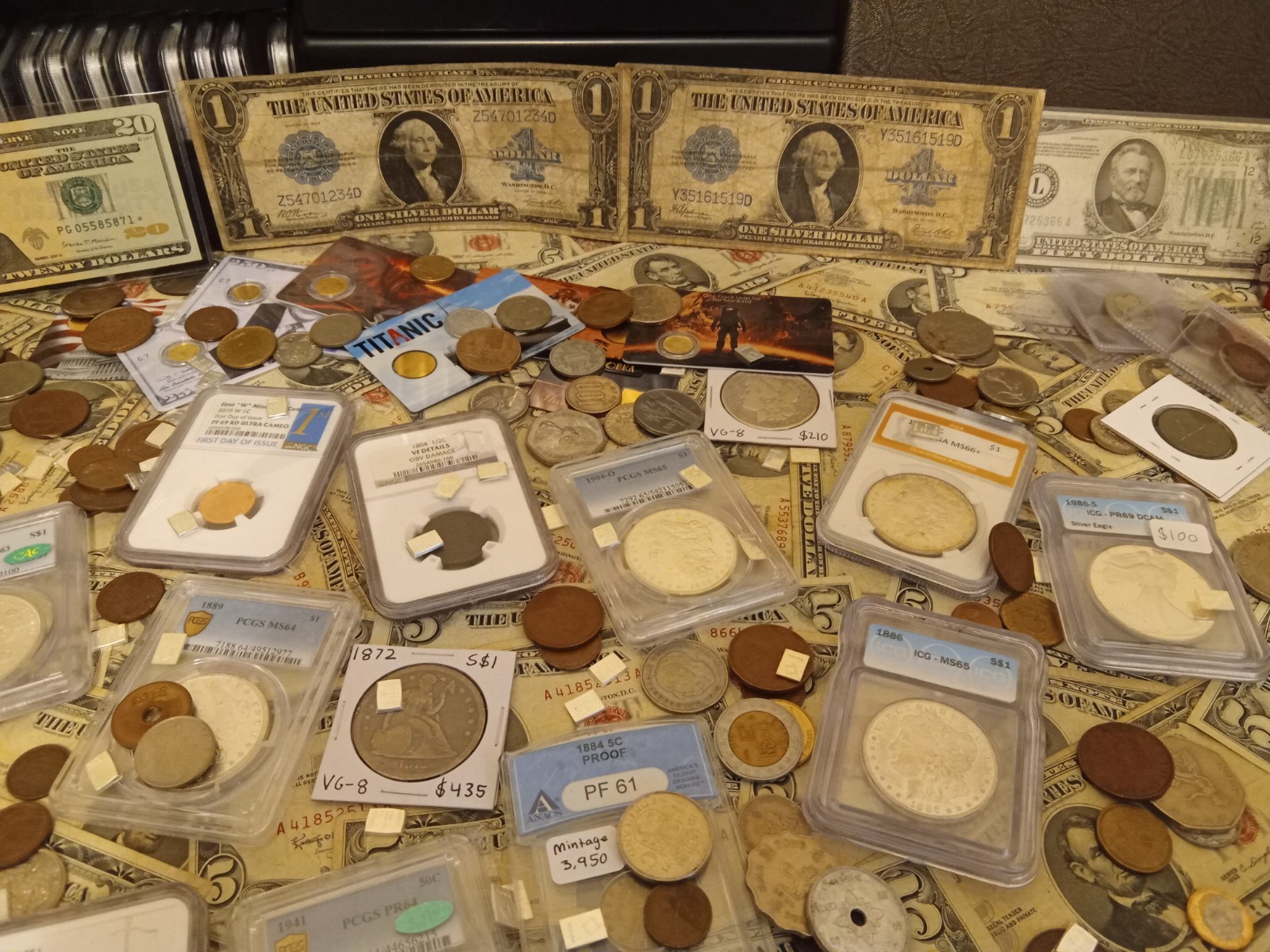
Authentication, typically via a recognized third-party grading service (e.g., PCGS, NGC), acts as a significant multiplier. A high-grade, certified coin can fetch 3x to 10x the price of the same coin listed as uncertified (loose), depending on rarity and market demand. For example, a rare 1909-S VDB coin might sell for $15,000 loose, but the same coin graded MS-65 in a slab can easily command $40,000+. The grade itself is part of the authentication; a high numerical grade is the primary driver of value increase.
How to spot it
Spotting fakes requires expertise. Common counterfeit methods include casting (pouring metal into a mold) or striking with low-quality dies. Tells to look for include mismatched metal composition (weight discrepancies), overly sharp or unnatural details, and poor die alignment. When dealing with potential fakes, sellers must provide high-resolution images of the coin's edges and mint marks. A common honest mistake is misidentification of a genuine variant, which is not a fake but affects value.
Buying smart
Paying a premium for authentication is justified when the coin is rare, highly desirable, or carries a high absolute value (generally over $1,000). For common, low-value coins, the cost of the grading service fee often outweighs the potential return, making loose purchases more economical. A fair deal for a graded coin involves comparing the slabbed price against recent auction results for that specific grade and coin. If the premium over loose comparable sales is less than 50% of the total price, the deal is likely fair.
Selling smart
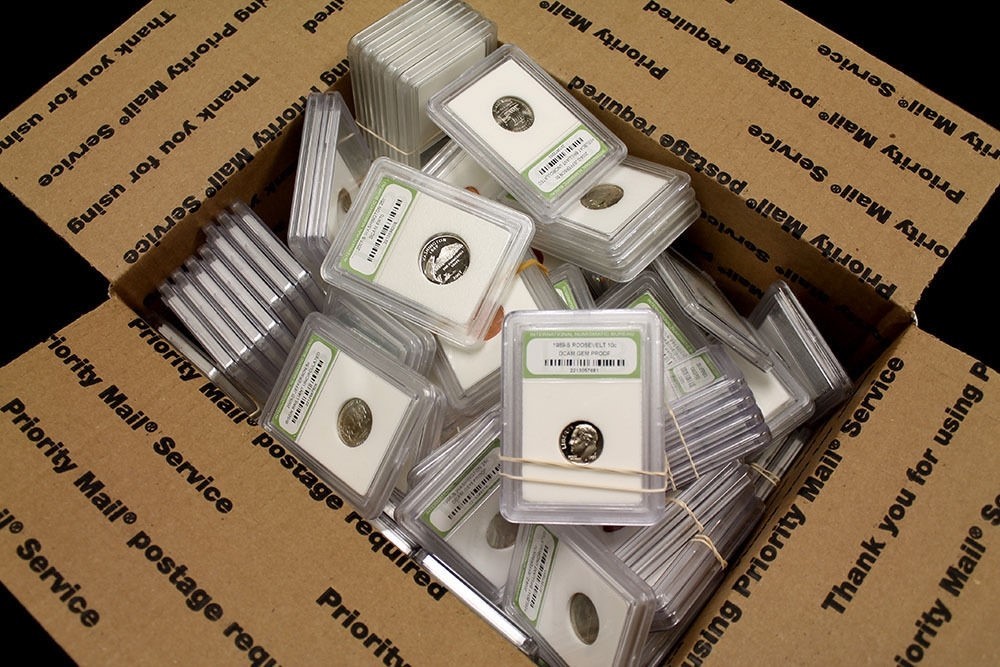
Proving authentication drastically reduces sales friction and increases the achievable price ceiling. Listing a coin with a slab and certificate allows the seller to bypass the vetting process of the buyer, immediately establishing credibility. The single most valuable element in a listing is the photo of the coin *inside* the recognized grading holder. This visual proof of third-party verification allows the seller to market the coin at the premium tier, often netting 20-40% more than if the coin were presented as uncertified.
On eBay right now
Current asking prices from live listings — not sold-comp medians.



eBay links are affiliate links: JunkPal may earn a commission at no cost to you.