What does “slabbed set” mean?
What it means
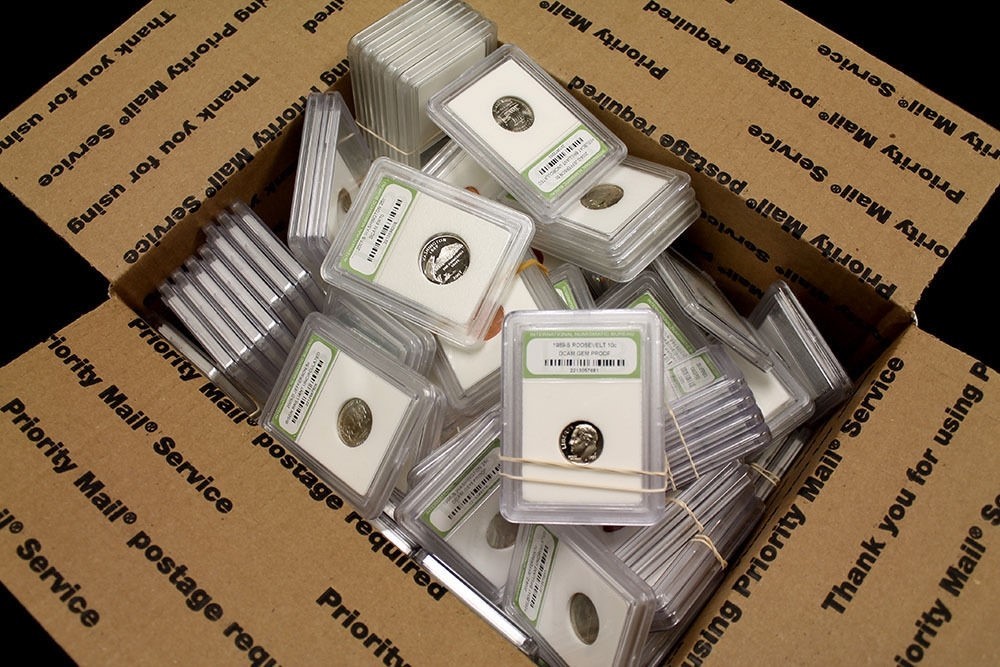
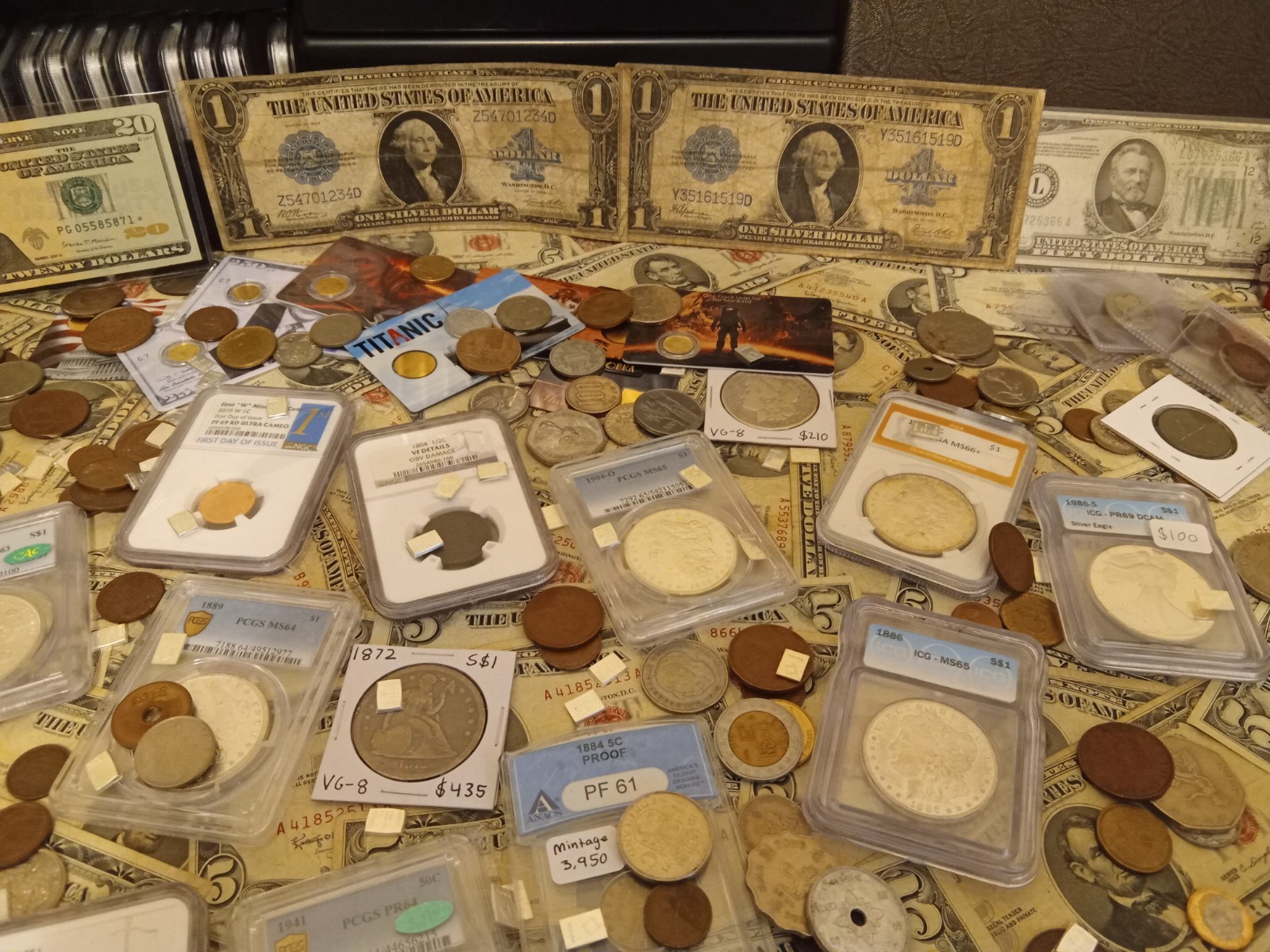
A slabbed set is a curated grouping of coins, banknotes, or other collectibles that has been submitted to a professional third-party grading service (TPGS) for encapsulation. The item is sealed within a tamper-evident plastic holder, known as a slab. TPGSs, such as PCGS or NGC, assign a numerical grade to each component, quantifying its condition based on established standards. The set functions as a verified unit. This process moves the item from a subjective assessment of condition to an objective, standardized metric. The mainstream equivalent is certified or graded merchandise.
What it does to price
Grading adds a significant premium, acting as an immediate quality assurance guarantee. For high-demand, scarce items, a slab can multiply value by 2x to 5x compared to the same item loose, provided the grade is high (e.g., MS-65 or higher). For common sets, the premium may only be 1.2x to 1.8x. A key driver for value is the *grade* itself; a set graded MS-69 will command a substantially higher price than the identical set graded MS-63, even if the underlying coins are identical. A $100 loose set might sell for $250 if it receives a top-tier slab grade.
How to spot it
The tell is the presence of the official, branded plastic holder displaying the grading company's logo and the assigned numerical grade. Look for the certification label affixed to the slab. Common issues include "re-slabbing"—where an item is removed from its original slab and placed in a new one, which is a red flag. Another mistake is misidentification of the grading company; only reputable services carry weight. Always request high-resolution photos showing the entire slab, including the certification numbers, to confirm authenticity before purchase.
Buying smart
Paying the premium is justified when the set contains rare, high-grade, or historically significant pieces where condition is paramount to value. If the set is common and the grade is low (e.g., below MS-50), the premium often outweighs the intrinsic value, making it an overpriced purchase. A fair deal involves the asking price being within 15-25% of the average realized price for that specific grade and set combination on major auction platforms. If the premium is over 30% without exceptional rarity, the risk is too high.
Selling smart
Listing the item as "Certified" or "Graded" is non-negotiable for maximizing return. The single most effective element in the listing is a clear, high-resolution photo of the *entire* slab, clearly showing the grading company's logo and the grade designation. Buyers pay a premium for the reduced risk. Do not attempt to sell a slabbed item without showing the certification number, as this undermines the entire guarantee and invites questions regarding authenticity.
On eBay right now
Current asking prices from live listings — not sold-comp medians.




eBay links are affiliate links: JunkPal may earn a commission at no cost to you.