What does “slabbed collection” mean?
What it means
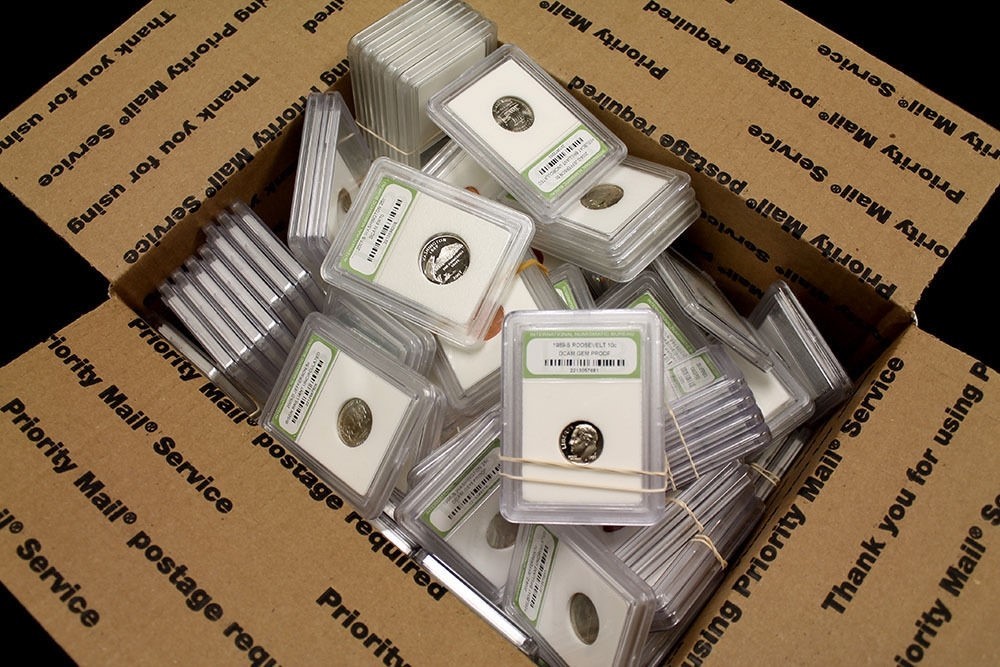
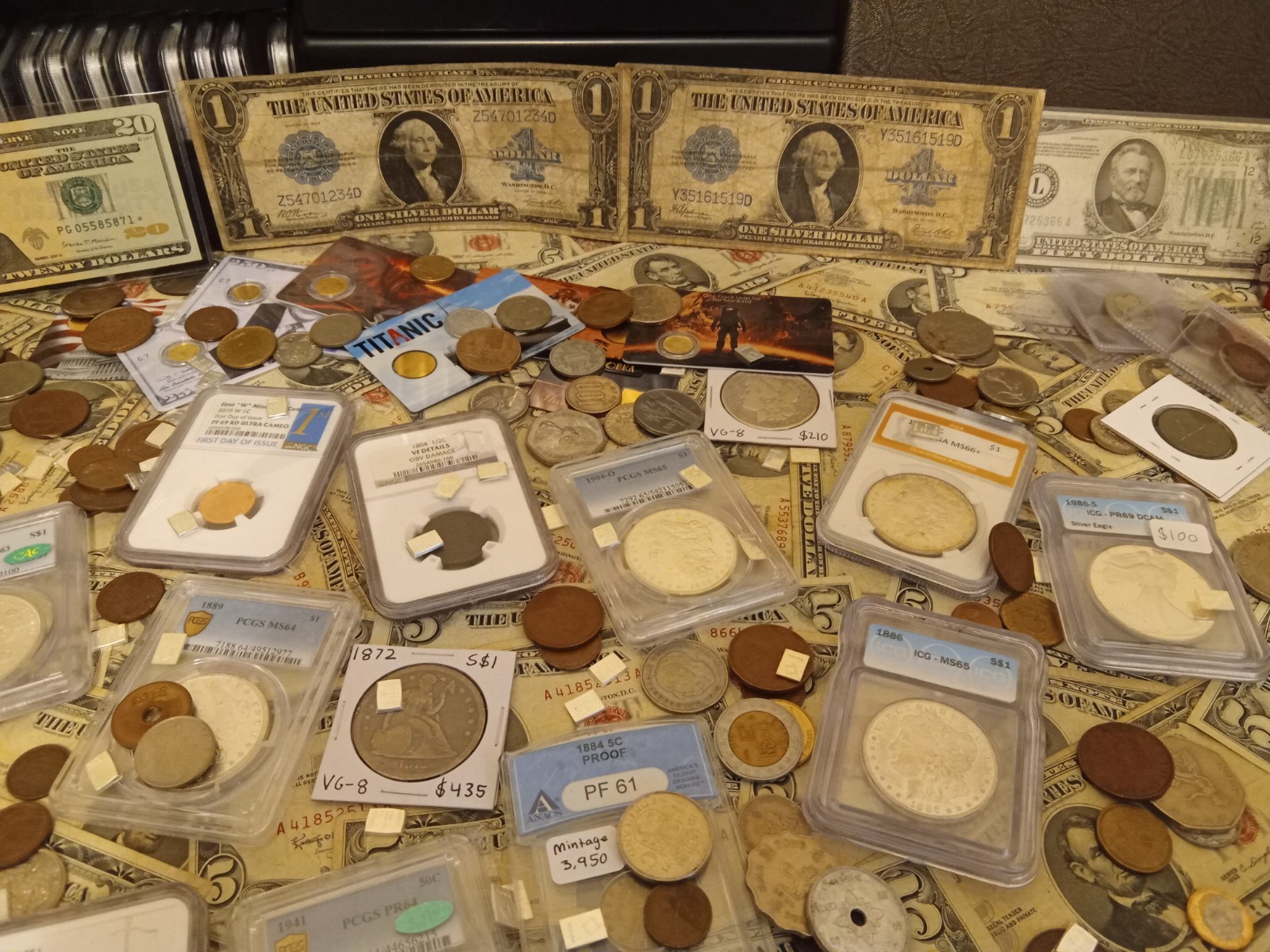
A slabbed collection is a set of coins, banknotes, or other collectibles housed in tamper-evident, sealed plastic cases, known as slabs. These slabs contain professional third-party grading certifications from recognized agencies such as PCGS or NGC. The grading process assigns a numerical grade reflecting the item's physical condition, from lowest to highest. This certification moves the assessment of quality from subjective opinion to an objective, verifiable standard. The slab serves as a guarantee of authenticity and condition.
What it does to price
Grading significantly impacts market value. A high-grade, slabbed specimen typically commands a substantial premium over the same item sold loose. For established, desirable coins, a certified example can fetch 2x to 5x the price of a comparable ungraded piece, depending on the grade achieved. Minor flaws or questionable grading can reduce this premium. For example, a common silver coin graded MS-65 might sell for $150, while the same coin graded MS-68 could easily sell for $400 or more, reflecting the certified jump in condition.
How to spot it
The primary tell is the presence of the official grading company's label and tamper-evident seal affixed to the slab. Sellers must provide clear, high-resolution photos of both the coin *inside* the slab and the *certification label* itself. Common issues include poorly sealed slabs (where the seal is broken or looks recently tampered with) or incorrect grading labels. Some sellers may use "fake" or "re-graded" slabs; these lack the official security holograms or unique serial numbers associated with the grading service. Always verify the grading service's official website to confirm the label's legitimacy.
Buying smart
Paying a premium for a slab is justified when the item is rare, highly sought after, or when the grade achieved is critical to the item's value (e.g., a high-grade specimen of a key date). If the coin is common or the grade is low (e.g., AU-50), the cost of the slab premium may not be worth the investment. A fair deal requires the asking price to reflect the *grade* achieved, not just the coin's intrinsic metal value. If a seller is asking for a 3x premium but the coin is only graded MS-60, the price is likely inflated.
Selling smart
Listing an item as "slabbed" immediately filters the buyer pool toward serious collectors willing to pay for guaranteed condition. The single most effective element in a listing is a clear, well-lit photograph of the *entire slab*, showing the certification label and the grade prominently displayed. Use the official grade (e.g., PCGS MS-67) as the primary descriptor in the title. This instant verification removes buyer hesitation regarding authenticity and condition, allowing the seller to command the highest achievable market rate for that specific certified grade.
On eBay right now
Current asking prices from live listings — not sold-comp medians.




eBay links are affiliate links: JunkPal may earn a commission at no cost to you.