Tỷ lệ ra là gì?
Ý nghĩa
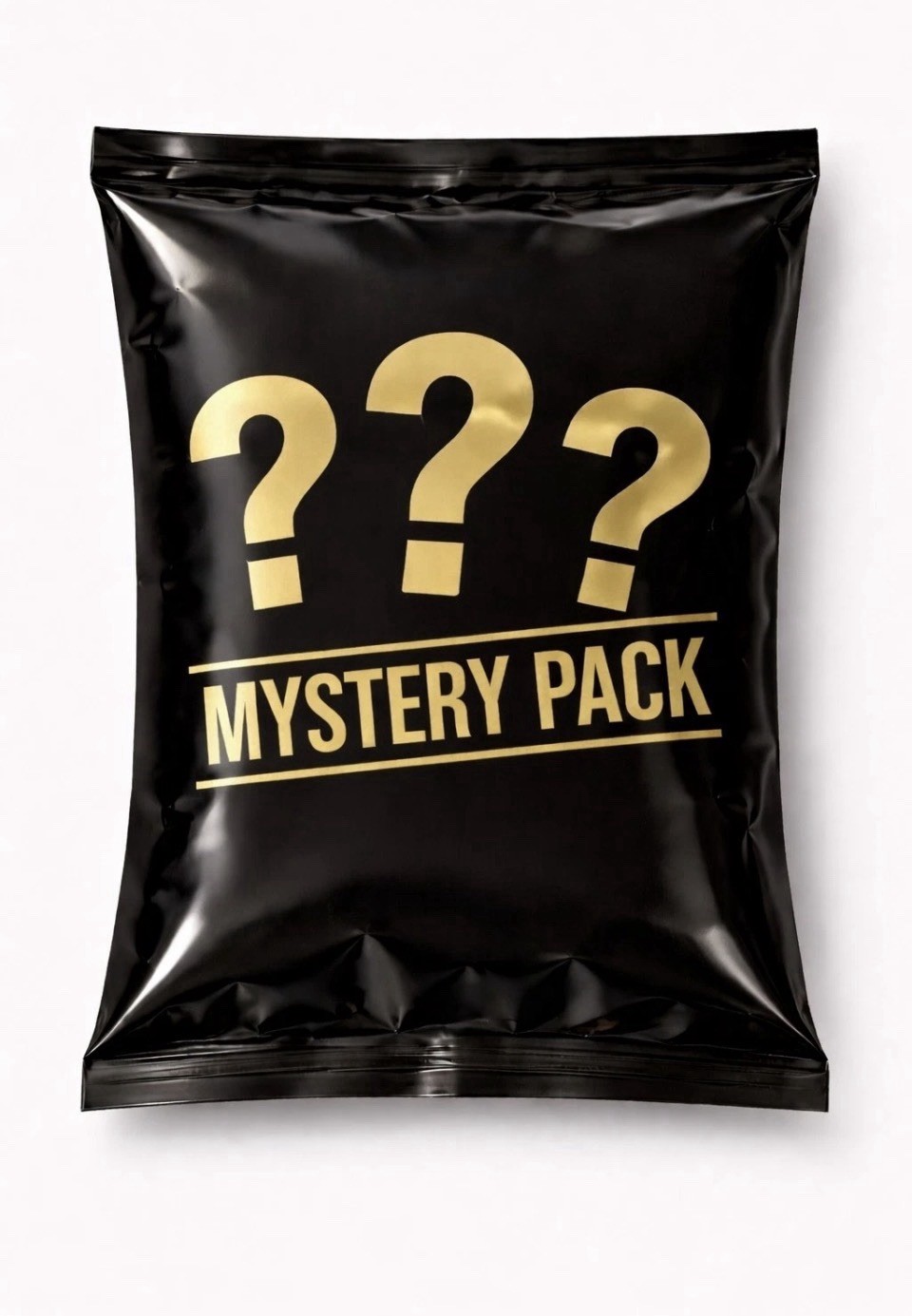
Tỷ lệ ra (pull rate) là tần suất thống kê để nhận được một lá bài hiếm hoặc lá bài mục tiêu (chase card) cụ thể khi mở sản phẩm niêm phong (gói, hộp, v.v.). Nó là xác suất, được thể hiện bằng phần trăm hoặc tỷ lệ, để nhận được lá bài mong muốn. Đây là thước đo trực tiếp về sự khan hiếm được tích hợp trong mô hình phân phối của sản phẩm. Nó tương đương với tỷ lệ rơi (drop rate) trong các hộp vật phẩm (loot boxes) của trò chơi điện tử. Tỷ lệ ra cao nghĩa là lá bài đó phổ biến trong sản phẩm niêm phong; tỷ lệ ra thấp nghĩa là lá bài đó cực kỳ hiếm.
Ảnh hưởng đến giá cả
Tỷ lệ ra quyết định trực tiếp đến mức phí bảo hiểm (premium) về sự khan hiếm được nhận thức. Tỷ lệ ra cực thấp (ví dụ: 1:500 trở xuống) tạo ra sự tăng giá đáng kể cho lá bài cụ thể đó. Ngược lại, nếu một lá bài được săn đón có tỷ lệ ra cao (ví dụ: 1:30), giá trị thị trường lẻ của nó sẽ bị kìm hãm vì nguồn cung dồi dào. Đối với sản phẩm niêm phong, một tỷ lệ ra thấp đã biết đối với một lá bài mục tiêu cụ thể có thể biện minh cho mức giá cao hơn từ 2x đến 4x so với giá của cả hộp so với một hộp chỉ chứa các lá bài tầm trung. Ví dụ, nếu một hộp có giá \$100, và một lá bài mục tiêu quan trọng có tỷ lệ ra 1:100, thị trường có thể chấp nhận mức giá \$100 đó, trong khi một hộp có tỷ lệ ra 1:50 có thể chỉ bán được \$75.
Cách nhận biết
Tỷ lệ ra hiếm khi được in trên bao bì; chúng được suy ra từ dữ liệu cộng đồng. Các dấu hiệu chính xác liên quan đến việc đối chiếu nhiều diễn đàn sưu tập hoặc trang web theo dõi uy tín đã được thiết lập, nơi tổng hợp các lần mở gói đã được xác minh. Người bán có thể tuyên bố một tỷ lệ ra, nhưng điều này thường chỉ là giai thoại. Để xác minh, người bán nên cung cấp bằng chứng về số thứ tự bộ (set numbering) hoặc cấp độ hiếm của sản phẩm, nếu có. Hãy cảnh giác với những người bán tuyên bố có kiến thức độc quyền về tỷ lệ ra; đây thường là một chiến thuật để thổi phồng giá trị nhận thức.
Mua sắm thông minh
Việc trả giá cao cho sản phẩm niêm phong dựa trên tỷ lệ ra *tin đồn* là rủi ro cao. Mức phí bảo hiểm chỉ được biện minh khi tỷ lệ ra được thiết lập bởi nhiều bộ dữ liệu bên thứ ba, có thể xác minh, và lá bài mục tiêu được chứng minh là động lực thị trường chính. Một giao dịch công bằng là khi giá chào bán nằm trong khoảng 10-15% so với mức trung bình đã được thiết lập cho dòng sản phẩm cụ thể đó, đã điều chỉnh theo sự biến động thị trường hiện tại. Nếu giá cao hơn đáng kể so với mức trung bình đã thiết lập, mức phí bảo hiểm rủi ro là quá cao.
Bán hàng thông minh
Khi đăng bán sản phẩm niêm phong, việc nêu rõ tỷ lệ ra *đã biết* hoặc *đã báo cáo* cho lá bài mục tiêu hàng đầu sẽ ngay lập tức tạo được uy tín và biện minh cho mức giá chào bán cao hơn. Thay vì chỉ liệt kê sản phẩm, hãy liệt kê nó là "Set X - Tỷ lệ ra mục tiêu đã biết 1:X." Điều này chuyển danh sách từ một giao dịch hàng hóa đơn thuần thành một cơ hội đầu tư đầu cơ. Từ hiệu quả nhất để kiếm được mức giá cao hơn là "Đã xác minh" (Verified) khi tham chiếu nguồn dữ liệu về tỷ lệ ra.
On eBay right now
Current asking prices from live listings — not sold-comp medians.


eBay links are affiliate links: JunkPal may earn a commission at no cost to you.
Resale values related to tỷ lệ ra (pull rate)
Shop tỷ lệ ra (pull rate) on eBay ↗![Mysterious Pearl [Spring Winner]](/api/images/junkpal-products/cards/mysterious-pearl-spring-winner-pokemon-japanese-promo-card/img0/thumb.webp)
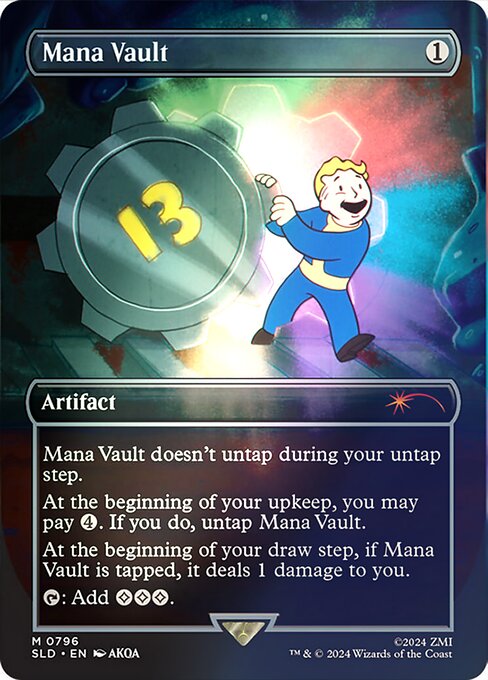
![Mana Vault [Foil] #796](/api/images/junkpal-products/cards/mana-vault-foil-796-magic-secret-lair-drop-card/img0/thumb.webp)
![Blister Pack [Shadowless]](/api/images/junkpal-products/cards/blister-pack-shadowless-pokemon-base-set-card/img0/thumb.webp)

JunkPal may earn a commission when you buy through eBay links, at no extra cost to you.
What’s worth the most
Ranked on medians of real closed eBay sales, not asking prices.