Bảng giá tham khảo là gì?
Ý nghĩa của nó
Bảng giá tham khảo là một cơ sở dữ liệu có cấu trúc hoặc một danh mục in chi tiết về giá trị thị trường ước tính cho các thẻ bài cụ thể. Nó vượt ra ngoài việc chấm điểm tình trạng đơn thuần để kết hợp các biến số như độ hiếm, thuộc bộ nào, và nhu cầu thị trường. Thuật ngữ này là tiêu chuẩn ngành để thiết lập mức định giá cơ bản. Nó tương đương trực tiếp với bảng giá hàng hóa (commodity price sheet) trong các thị trường khác. Những bảng này tổng hợp dữ liệu bán hàng lịch sử, mức giá trung bình hiện tại, và sự đồng thuận của chuyên gia để đưa ra một khoảng giá, chứ không phải một con số cố định.
Nó ảnh hưởng đến giá như thế nào
Bảng giá tham khảo cung cấp một khuôn khổ để định giá, quy định các hệ số nhân dựa trên tình trạng và độ khan hiếm. Một thẻ ở tình trạng Near Mint (NM) thường có giá gấp 3 lần một bản Played (PL) cùng loại. Một thẻ được PSA 10 (Gem Mint) thường bán được từ 5 đến 15 lần giá của một thẻ Near Mint chưa được đánh giá, tùy thuộc vào cấp bậc của thẻ. Các yếu tố đẩy giá lên bao gồm số lượng in giới hạn, các thẻ parallel (phiên bản đặc biệt) săn lùng, và tên tuổi của các cầu thủ nổi tiếng. Một thẻ được liệt kê trong bảng giá ở mức $50, nếu được tìm thấy trong tình trạng hoàn hảo và đã được xác thực, có thể dễ dàng đạt $150 hoặc hơn.
Cách nhận biết nó
Các bảng giá tham khảo đáng tin cậy phải minh bạch về nguồn dữ liệu của chúng. Hãy tìm những bảng phân biệt rõ ràng giữa dữ liệu "Retail Ask" (Giá bán lẻ yêu cầu) và "Recent Sold" (Giao dịch đã bán gần đây). Các dấu hiệu nhận biết một bảng giá hợp lệ bao gồm các phân tích tình trạng chi tiết (ví dụ: "Light Wear" (Hơi mòn), "Mint", "Gem Mint") và các cấp độ hiếm rõ ràng (ví dụ: "Base" (Cơ bản), "Insert" (Thẻ đặc biệt), "Parallel"). Khi xem xét một thẻ để đối chiếu với bảng giá, người bán nên cung cấp ảnh độ phân giải cao, chụp toàn bộ thẻ, bao gồm cả ảnh rõ nét về số nhận dạng hoặc biểu tượng bộ của thẻ. Những sai lầm phổ biến là người bán mô tả sai một thẻ thông thường là một thẻ parallel hiếm, hoặc sử dụng các bảng giá lỗi thời không phản ánh sự tăng vọt gần đây của thị trường.
Mua sắm thông minh
Việc trả phí cao cho gói đăng ký hoặc công cụ tham khảo giá là hợp lý khi giao dịch với các tài sản có giá trị cao—các thẻ có giá trên $100. Đối với các thẻ thông thường, giá trị thấp, thời gian dành để đối chiếu bảng giá hiếm khi biện minh được chi phí. Một giao dịch công bằng là khi giá yêu cầu nằm trong quý dưới (lower quartile) của phạm vi được liệt kê trong bảng giá cho tình trạng đã nêu của thẻ. Nếu bảng giá gợi ý rằng một thẻ nên bán trong khoảng từ $75 đến $125, thì mức giá yêu cầu $140 đòi hỏi phải xem xét kỹ lưỡng về tình trạng hoặc tính xác thực.
Bán hàng thông minh
Việc chứng minh tình trạng của thẻ so với các chỉ số của bảng giá trực tiếp chuyển thành sự tự tin của người mua và giá thầu cao hơn. Việc đăng bán một thẻ với ảnh chụp rõ ràng thẻ dưới kính lúp, làm nổi bật bất kỳ khiếm khuyết nhỏ nào (vết xước, bạc màu), sẽ neo giá vào các bậc thấp hơn của bảng giá. Từ hiệu quả nhất trong mô tả đăng bán là mức độ đánh giá chính xác, nếu đã được xác thực (ví dụ: "PSA 9"). Từ này ngay lập tức chuyển giá trị từ "Ước tính của Bảng giá" chung sang nhóm cao cấp cụ thể liên quan đến dữ liệu bán hàng đã được đánh giá.
On eBay right now
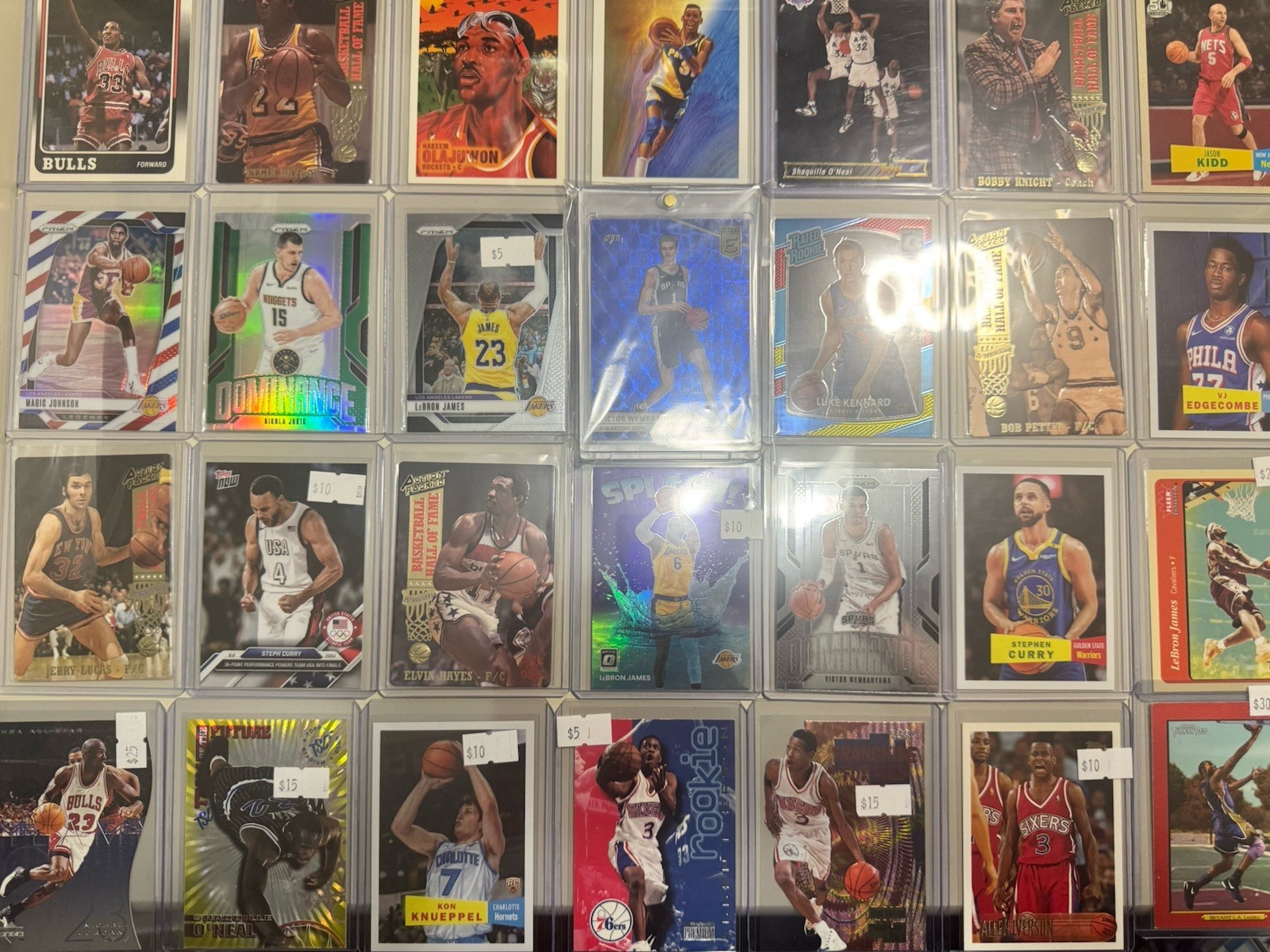
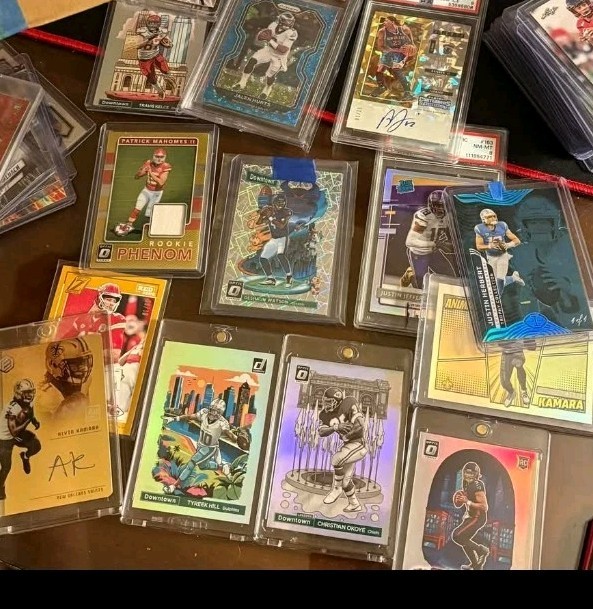
Current asking prices from live listings — not sold-comp medians.



eBay links are affiliate links: JunkPal may earn a commission at no cost to you.
Resale values related to bảng giá tham khảo
Shop bảng giá tham khảo on eBay ↗



![Mysterious Girl Illyasviel SP (Fate/stay night [Heaven’s Feel])](/api/images/junkpal-products/tcgcsv/mysterious-girl-illyasviel-sp-205745-tcg/img0/thumb.webp)


JunkPal may earn a commission when you buy through eBay links, at no extra cost to you.
What’s worth the most
Ranked on medians of real closed eBay sales, not asking prices.