Population là gì?
Ý nghĩa của nó
Population (số lượng lưu hành) đề cập đến tổng số lượng của một thẻ hoặc vật phẩm cụ thể được ghi nhận trên thị trường, thường được theo dõi thông qua các dịch vụ đánh giá của bên thứ ba (ví dụ: PSA, BGS). Đây là chỉ số về nguồn cung. Nó là nghịch đảo trực tiếp của sự khan hiếm. Số lượng population thấp cho thấy nguồn cung ít hơn so với nhu cầu, đây là yếu tố chính thúc đẩy giá trị cao cấp trong các bộ sưu tập. Số lượng population cao cho thấy thị trường đã bão hòa; món đồ đó là phổ thông, bất kể giá trị nghệ thuật của nó. Tương đương trong thị trường đại chúng là mức tồn kho.
Ảnh hưởng đến giá cả
Population quyết định mức trần giá trị. Những số lượng population cực thấp (dưới 50 thẻ được đánh giá) sẽ mang lại mức giá cao đáng kể. Ví dụ, một thẻ rookie được săn đón nhiều với population thấp có thể có giá gấp 3 đến 5 lần so với phiên bản tương tự có population cao, ngay cả khi tình trạng của chúng giống hệt nhau. Ngược lại, một thẻ có population trên 5.000 thường được định giá như một mặt hàng phổ thông. Nếu một thẻ bán lẻ với giá \$100, một bản được PSA 10 từ một bộ có population thấp có thể bán được \$300 đến \$450. Population hoạt động như một hệ số nhân cứng cho sự khan hiếm.
Cách nhận biết
Dữ liệu population chủ yếu được tìm thấy trên các trang tổng hợp đánh giá của bên thứ ba, chứ không phải trên các danh sách của người bán. Để xác minh population, người bán phải cung cấp số chứng nhận của công ty đánh giá. Một dấu hiệu quan trọng là chính công ty đánh giá; dữ liệu từ PSA và BGS là tiêu chuẩn ngành. Những sai sót ngây thơ thường liên quan đến việc người bán xác định sai số lượng in hoặc các phiên bản, dẫn đến nhận thức về độ hiếm bị thổi phồng. Hàng giả thường dễ nhận thấy ở chính tấm slab đánh giá, chứ không phải ở thẻ, nhưng việc đối chiếu hình ảnh thẻ với các ví dụ population đã biết là cách xác minh tốt nhất.
Mua sắm thông minh
Việc trả giá cao hơn dựa trên population chỉ được biện minh khi thẻ đó là một món "chase" (món đồ săn lùng) thực sự—một thẻ rookie, một biến thể được săn đón nhiều, hoặc một phần quan trọng của một đợt in giới hạn. Nếu một thẻ có population trên 1.000 và mức giá cao hơn yêu cầu lớn hơn 1.5 lần mức giá trung bình trên thị trường lẻ, thì mức giá cao đó có thể không hợp lý trừ khi thẻ đó có tình trạng ngoại lệ, có thể xác minh (ví dụ: gem mint 10). Một giao dịch công bằng bao gồm mức giá cao hơn tỷ lệ thuận với sự khan hiếm được ghi nhận, chứ không phải là tùy tiện.
Bán hàng thông minh
Đăng bán một thẻ có dữ liệu population thấp được ghi nhận sẽ làm tăng đáng kể sự tự tin của người mua và biện minh cho mức giá yêu cầu cao hơn. Chiến thuật hiệu quả nhất là đính kèm hình ảnh rõ ràng của tấm slab đánh giá, hiển thị số chứng nhận một cách nổi bật. Một cụm từ đơn giản như "PSA 10 / Low Population" trong tiêu đề sẽ ngay lập tức báo hiệu sự khan hiếm đã được xác minh cho những người mua nghiêm túc. Bằng chứng này chuyển món đồ từ một giao dịch đầu cơ thành một khoản đầu tư vào sự hiếm có đã được xác minh, cho phép người bán đòi mức giá thị trường cao cấp nhất.
On eBay right now
Current asking prices from live listings — not sold-comp medians.

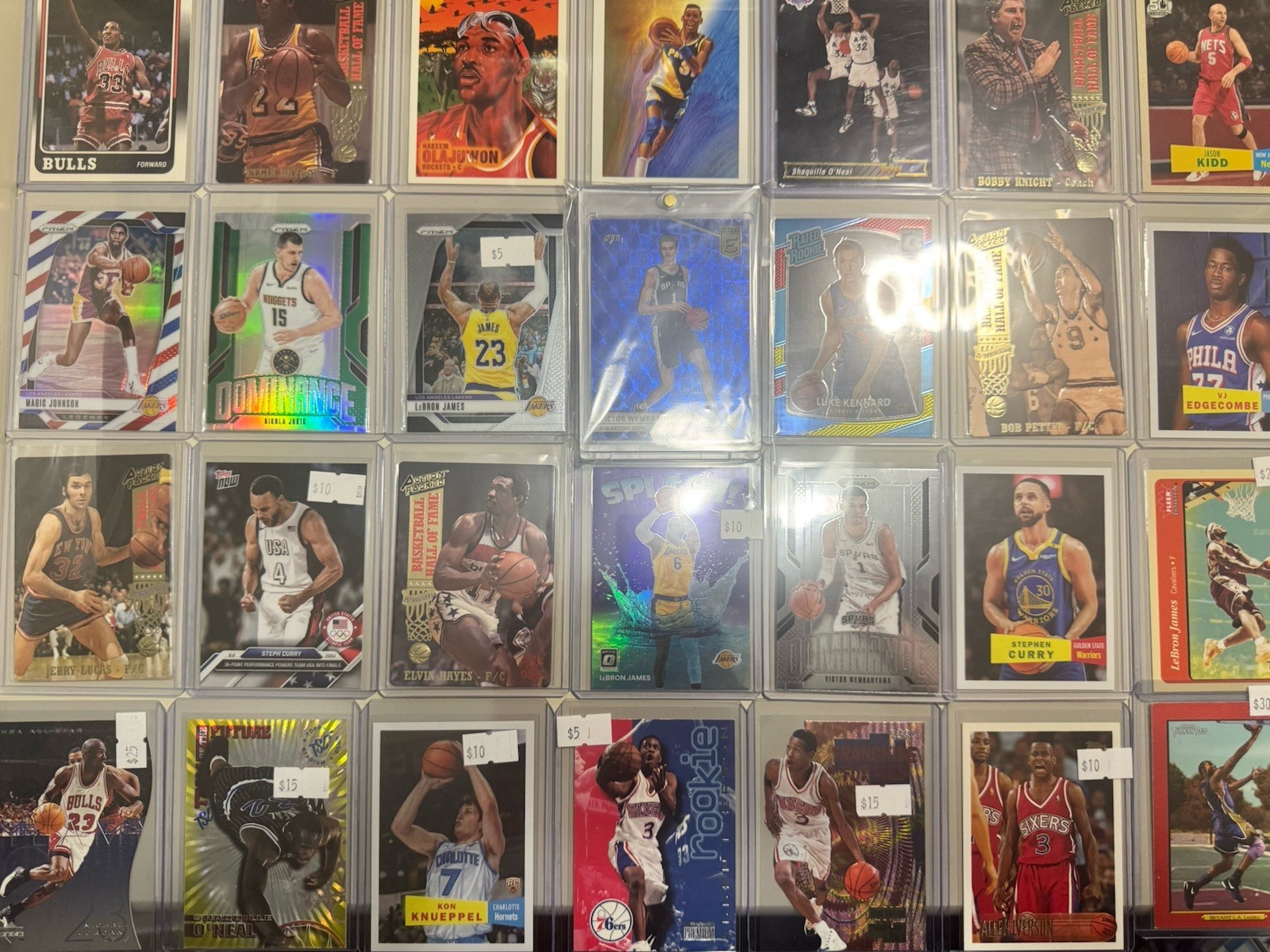
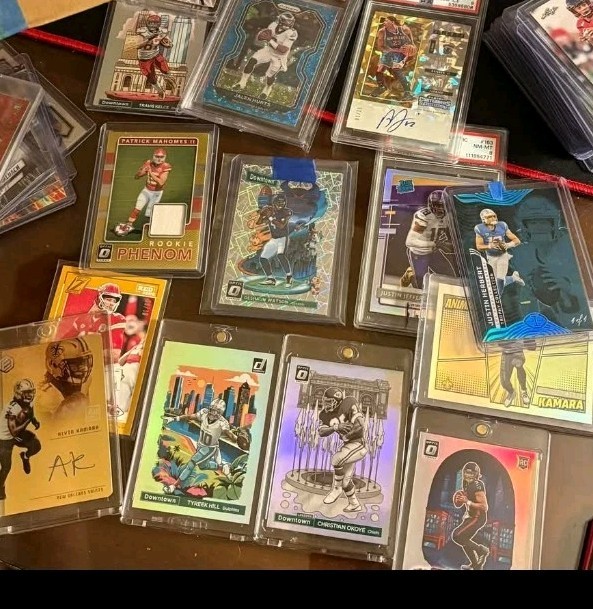


eBay links are affiliate links: JunkPal may earn a commission at no cost to you.
Resale values related to population
Shop population on eBay ↗

![Mysterious Girl Illyasviel SP (Fate/stay night [Heaven’s Feel])](/api/images/junkpal-products/tcgcsv/mysterious-girl-illyasviel-sp-205745-tcg/img0/thumb.webp)





JunkPal may earn a commission when you buy through eBay links, at no extra cost to you.
What’s worth the most
Ranked on medians of real closed eBay sales, not asking prices.