Lightly Played là gì?
Ý nghĩa của nó
"Lightly played" (chơi nhẹ) chỉ một thẻ bài đã trải qua sự tương tác vật lý tối thiểu ngoài việc xử lý cần thiết để kiểm tra hoặc lưu trữ. Điều này khác với "Near Mint" (NM) hay "Mint" (M), vốn ngụ ý tình trạng gần như hoàn hảo, chưa hề đụng chạm. "Lightly played" cho thấy thẻ đã được cầm nắm—có thể được lấy ra khỏi binder hoặc túi đựng—nhưng không có dấu hiệu đáng kể nào của việc sử dụng trong trò chơi, chẳng hạn như mài mòn cạnh nặng, nếp gấp, hoặc vết mài mòn bề mặt do chơi. Nó là một mức trung gian giữa hoàn hảo và đã qua sử dụng nhiều. Đối với nhà sưu tập, điều này ngụ ý rằng thẻ vẫn giữ được độ bão hòa màu sắc và độ vững chắc cấu trúc tốt, nhưng có thể có những dấu hiệu xử lý nhỏ, không liên quan đến trò chơi.
Ảnh hưởng đến giá cả
Chỉ định tình trạng ảnh hưởng trực tiếp đến định giá thị trường. Một thẻ "lightly played" thường có giá cao hơn từ 1.2x đến 2.5x so với thẻ được xếp hạng "Played" hoặc "Good" (G). Đối với một thẻ phổ biến tầm trung, sự khác biệt giữa bản chơi nhiều và bản chơi nhẹ có thể dao động từ $15 đến hơn $75, tùy thuộc vào giá trị thị trường cơ bản của thẻ. Các yếu tố đẩy giá lên bao gồm việc căn giữa hoàn hảo và các góc sạch sẽ. Các yếu tố kéo giá xuống bao gồm các vết xước bề mặt nhỏ, không thể tránh khỏi mà không phải là hư hỏng cấu trúc.
Cách nhận biết
Kiểm tra bằng mắt là điều then chốt. Hãy tìm các dấu hiệu mài mòn cạnh; nếu các cạnh trơn tru và sắc nét, nó nghiêng về "lightly played". Kiểm tra bề mặt dưới kính lúp để tìm các vết xước nhỏ li ti, điều này phổ biến khi xử lý nhẹ. Xem xét các góc xem chúng có bị tròn đi không; các thẻ "lightly played" chỉ nên có sự mềm đi rất nhẹ, gần như không nhận thấy được. Luôn yêu cầu ảnh độ phân giải cao cho thấy thẻ từ cả bốn góc và một góc nhìn toàn bộ mặt trước/sau. Một sai lầm phổ biến là dán nhãn sai cho một thẻ đã được lưu trữ không đúng cách (ví dụ: trong môi trường ẩm ướt), điều này mô phỏng sự hao mòn.
Mua sắm thông minh
Việc trả thêm tiền cho một thẻ "lightly played" là hợp lý khi thẻ đó là một thẻ săn đuổi (chase card) quan trọng trong một bộ có nhu cầu cao, hoặc khi sự khác biệt giữa "lightly played" và "heavily played" là đáng kể (ví dụ: thẻ trị giá $500 so với thẻ trị giá $150). Nó không đáng để trả thêm tiền cho các thẻ phổ thông, giá trị thấp mà sự khác biệt về tình trạng là không đáng kể trong giá bán cuối cùng. Một giao dịch công bằng là khi giá chào bán phản ánh *tiềm năng* của tình trạng tốt hơn, chứ không chỉ là trạng thái hiện tại.
Bán hàng thông minh
Liệt kê thẻ là "Lightly Played" sẽ thiết lập kỳ vọng của người mua một cách chính xác và biện minh cho mức giá niêm yết cao hơn so với "Played". Yếu tố hiệu quả nhất trong một danh sách là một bức ảnh rõ ràng, được chiếu sáng tốt cho thấy các cạnh và góc của thẻ ở cự ly gần. Một mô tả đơn giản, trung thực xác nhận "xử lý tối thiểu, không có dấu hiệu chơi" sẽ củng cố nhãn mác và ngăn ngừa tranh chấp về tình trạng khi hàng đến nơi.
On eBay right now
Current asking prices from live listings — not sold-comp medians.
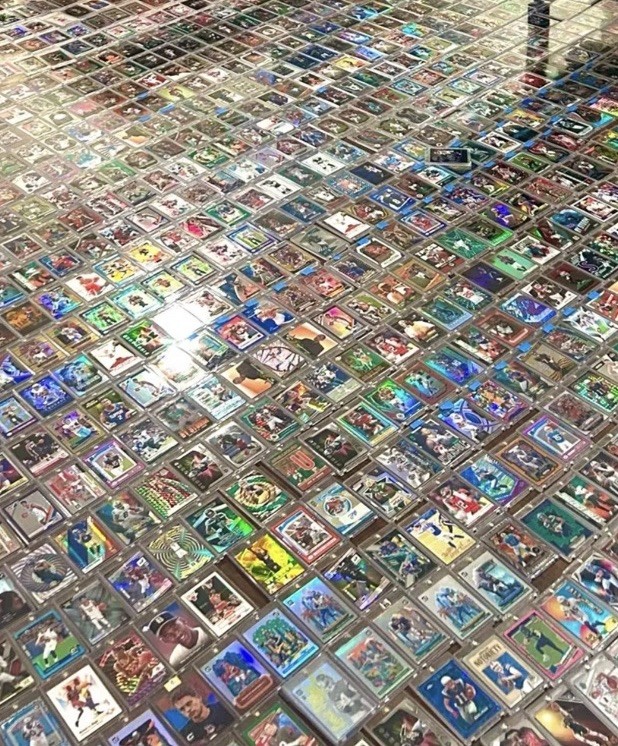
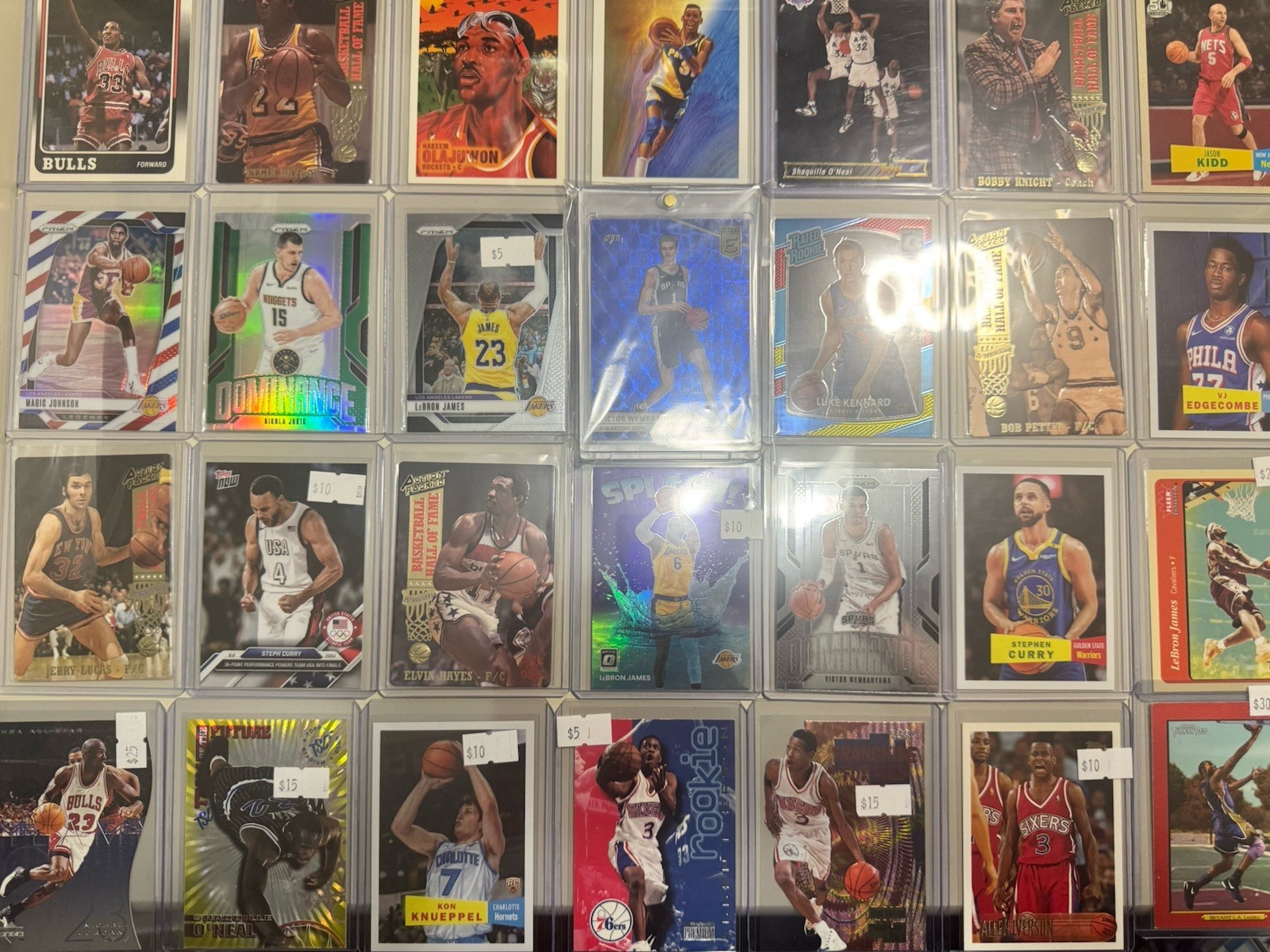

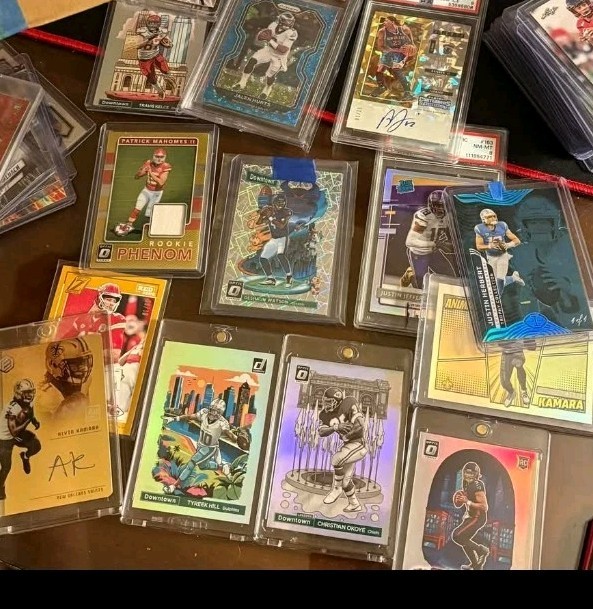


eBay links are affiliate links: JunkPal may earn a commission at no cost to you.
Resale values related to chơi nhẹ
Shop chơi nhẹ on eBay ↗



JunkPal may earn a commission when you buy through eBay links, at no extra cost to you.
What’s worth the most
Ranked on medians of real closed eBay sales, not asking prices.