Giá bán buôn là gì?
Ý nghĩa
Giá bán buôn (dealer pricing) là chi phí mua hàng sỉ (wholesale acquisition cost) của một tấm thẻ sưu tập, tức là mức giá mà người bán lại chuyên nghiệp trả để có được hàng tồn kho. Đây không phải là giá bán lẻ cuối cùng được tính cho người tiêu dùng. Nó đại diện cho chi phí cơ bản của hàng hóa trước bất kỳ mức tăng giá nào. Thuật ngữ này khác với "giá bán lẻ" (retail price) hay "giá thị trường" (market price), vốn phản ánh số tiền mà nhà sưu tập trả trên thị trường công khai. Giá bán buôn là giá giao dịch giữa hai doanh nghiệp hoặc giữa nhà buôn và nhà cung cấp hàng số lượng lớn.
Ảnh hưởng đến giá cả
Giá bán buôn thiết lập mức sàn cho lợi nhuận tiềm năng của người bán lại. Mức tăng giá (markup) áp dụng trên giá bán buôn sẽ xác định giá bán lẻ cuối cùng. Đối với các thẻ phổ thông, chưa được đánh giá (ungraded), mức tăng giá có thể rất nhỏ, có thể là 10-25% so với chi phí mua vào. Đối với các thẻ hiếm, có độ đánh giá cao (high-grade), mức tăng giá có thể cao hơn đáng kể, đôi khi là 50-100% hoặc hơn, tùy thuộc vào sự khan hiếm của thị trường và nhu cầu tức thời. Ví dụ, nếu một nhà buôn mua một thẻ rookie tầm trung với giá $15 (giá bán buôn), bán nó với giá $30 (giá bán lẻ) sẽ đạt được biên lợi nhuận gộp 100%.
Cách nhận biết
Giá bán buôn hiếm khi được người bán nêu rõ trừ khi họ hoạt động như một nhà cung cấp B2B (Business-to-Business). Dấu hiệu nhận biết là nguồn hàng. Nếu người bán đăng thẻ với nhãn "mua lô hàng số lượng lớn" (bulk lot purchase) hoặc "mua từ nhà buôn" (dealer acquisition), họ đang đề cập đến phân khúc giá này. Để xác minh chi phí bán buôn thực sự, người ta phải đối chiếu tấm thẻ với dữ liệu bán hàng đã hoàn tất gần đây trên các nền tảng lớn (như eBay Sold Listings) cho *cùng* điều kiện. Một sai lầm phổ biến là nhầm lẫn chi phí mua vào của nhà buôn với giá trị thị trường hiện tại; một tấm thẻ có thể được mua rẻ trong lô hàng lớn nhưng ngay lập tức có thể được bán với giá bán lẻ cao hơn nhiều.
Mua hàng thông minh
Việc trả giá cao cho một tấm thẻ dựa trên giá bán buôn nhận thức chỉ được biện minh khi tấm thẻ đó được đảm bảo sẽ bán nhanh hoặc khi chi phí mua vào thấp hơn đáng kể so với mức sàn thị trường đã được thiết lập. Nếu giá bán buôn đã gần với mức thấp nhất của phạm vi bán lẻ đã được thiết lập, biên lợi nhuận tiềm năng quá mỏng để biện minh cho rủi ro. Một giao dịch công bằng xảy ra khi chi phí mua vào thấp hơn 30-50% so với giá bán lẻ trung bình hiện tại cho điều kiện của tấm thẻ đó. Nếu giá bán buôn chiếm 80% hoặc hơn giá bán lẻ, giao dịch mua này có khả năng kém hiệu quả.
Bán hàng thông minh
Việc chứng minh rằng một tấm thẻ đã được mua với giá bán buôn thấp đôi khi có thể biện minh cho một mức giá niêm yết ban đầu thấp hơn một chút, thu hút những người mua đang tìm kiếm một "món hời" (deal), nhưng điều này hiếm khi xảy ra. Thông thường hơn, việc chứng minh nguồn gốc của tấm thẻ—rằng nó được lấy từ một kênh bán buôn hợp pháp, đã được biết đến—sẽ tăng độ tin cậy cho người bán, giảm sự do dự của người mua về tính xác thực. Yếu tố hiệu quả nhất là cung cấp các bức ảnh rõ nét, độ phân giải cao về bản thân tấm thẻ, chứ không chỉ là bao bì, cho phép người mua đánh giá tình trạng so với tiêu chuẩn đã biết.
On eBay right now
Current asking prices from live listings — not sold-comp medians.

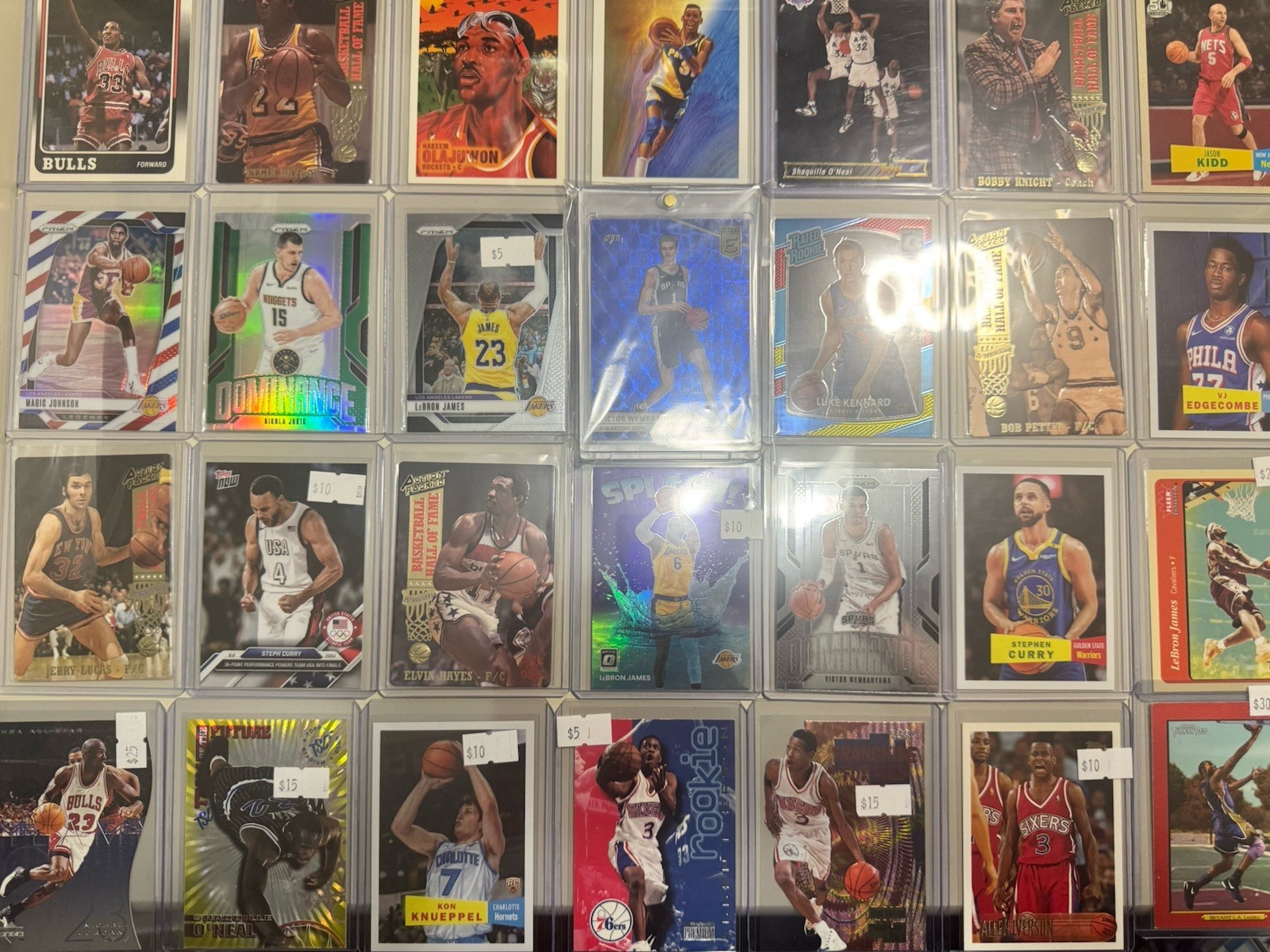
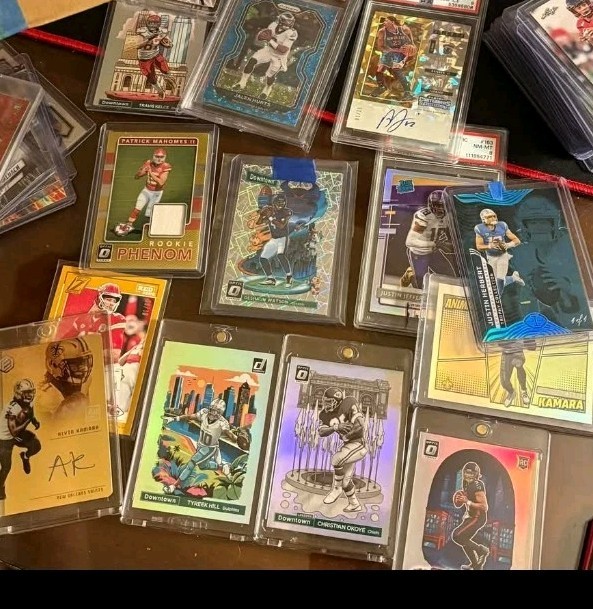


eBay links are affiliate links: JunkPal may earn a commission at no cost to you.
Resale values related to giá bán buôn
Shop giá bán buôn on eBay ↗
![Espeon [Gold Star] #16](/api/images/junkpal-products/cards/espeon-gold-star-16-pokemon-pop-series-5-card/img0/thumb.webp)
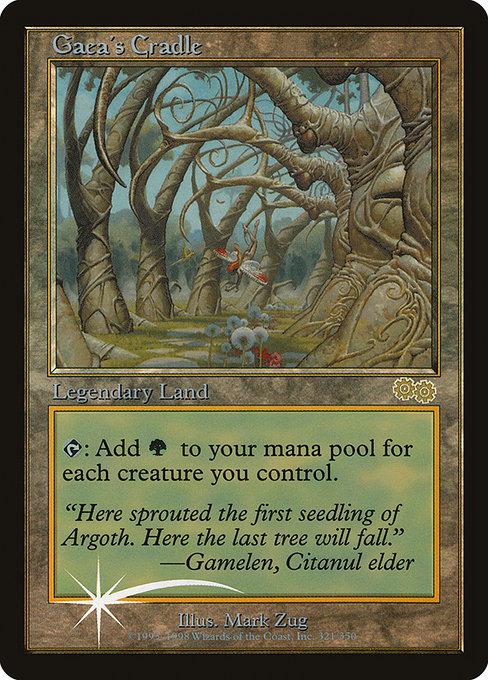
![Duel Link Dragon, the Duel Dragon [Ultra Rare] YCSW-EN012](/api/images/junkpal-products/cards/duel-link-dragon-the-duel-dragon-ultra-rare-ycsw-en012-yugioh-championship-series-card/img0/thumb.webp)
JunkPal may earn a commission when you buy through eBay links, at no extra cost to you.
What’s worth the most
Ranked on medians of real closed eBay sales, not asking prices.