What does “wholesale value” mean?
What it means
Wholesale value is the cost basis for acquiring large quantities of trading cards directly from primary sources—manufacturers, authorized distributors, or high-volume bulk wholesalers. It is the price paid before retail markup. This is distinct from secondary market value, which is the price paid between individual collectors or resellers on platforms like eBay. For resellers, wholesale value establishes the true Cost of Goods Sold (COGS). If a card is purchased far above its established wholesale rate, the potential profit margin on retail sales is severely constrained.
What it does to price
Wholesale value dictates the floor price for inventory acquisition. When buying in bulk, the per-unit cost should approximate the wholesale rate. A common discrepancy occurs when a bulk lot is priced based on *retail* value rather than *acquisition* value. For example, if a card's established wholesale cost is \$0.50 per unit, and a lot is offered at \$1.50 per unit, the reseller is immediately operating at a 200% markup on acquisition cost before any retail profit is factored in. Factors that push the *effective* wholesale cost up include lot condition (e.g., guaranteed graded inserts) or scarcity of the specific supplier.
How to spot it
Identifying true wholesale pricing requires access to distributor catalogs or established secondary market bulk pricing guides. Tells to look for include: consistent, high-volume sourcing patterns from the seller, and documentation showing direct supply chains. When dealing with large lots, sellers should provide high-resolution photos of the entire lot, not just samples. A common mistake is sellers mislabeling "sealed case contents" as "bulk inventory," which are different pricing tiers. Fakes in bulk lots are often minor print variations or poor centering, which are difficult to spot without magnification.
Buying smart
Paying a premium above established wholesale value is only justified when the lot offers significant, verifiable upside beyond simple quantity. This premium is warranted when the lot contains high-value, rare chase cards that are guaranteed, or when the lot represents a deep dive into a niche, currently undervalued set. If the lot is comprised of common, mid-tier cards, paying more than the known per-unit wholesale rate guarantees low margins. A fair deal means the average per-unit cost is within 10-20% of the documented wholesale rate, allowing for necessary handling and overhead.
Selling smart
Proving the card’s origin or acquisition cost basis is rarely done directly to the end buyer, but understanding wholesale value informs listing strategy. If a card was acquired at a very low wholesale rate, the listing can be positioned as a "Deep Inventory Buy" or "Bulk Acquisition Lot," signaling extreme value to high-volume buyers. The single most effective element to earn a premium is providing verifiable proof of condition (e.g., a high-resolution photo of the card's specific edge wear or a certificate of authenticity if applicable). This substantiates the card's true market worth, moving the conversation away from speculative pricing toward documented asset value.
On eBay right now
Current asking prices from live listings — not sold-comp medians.

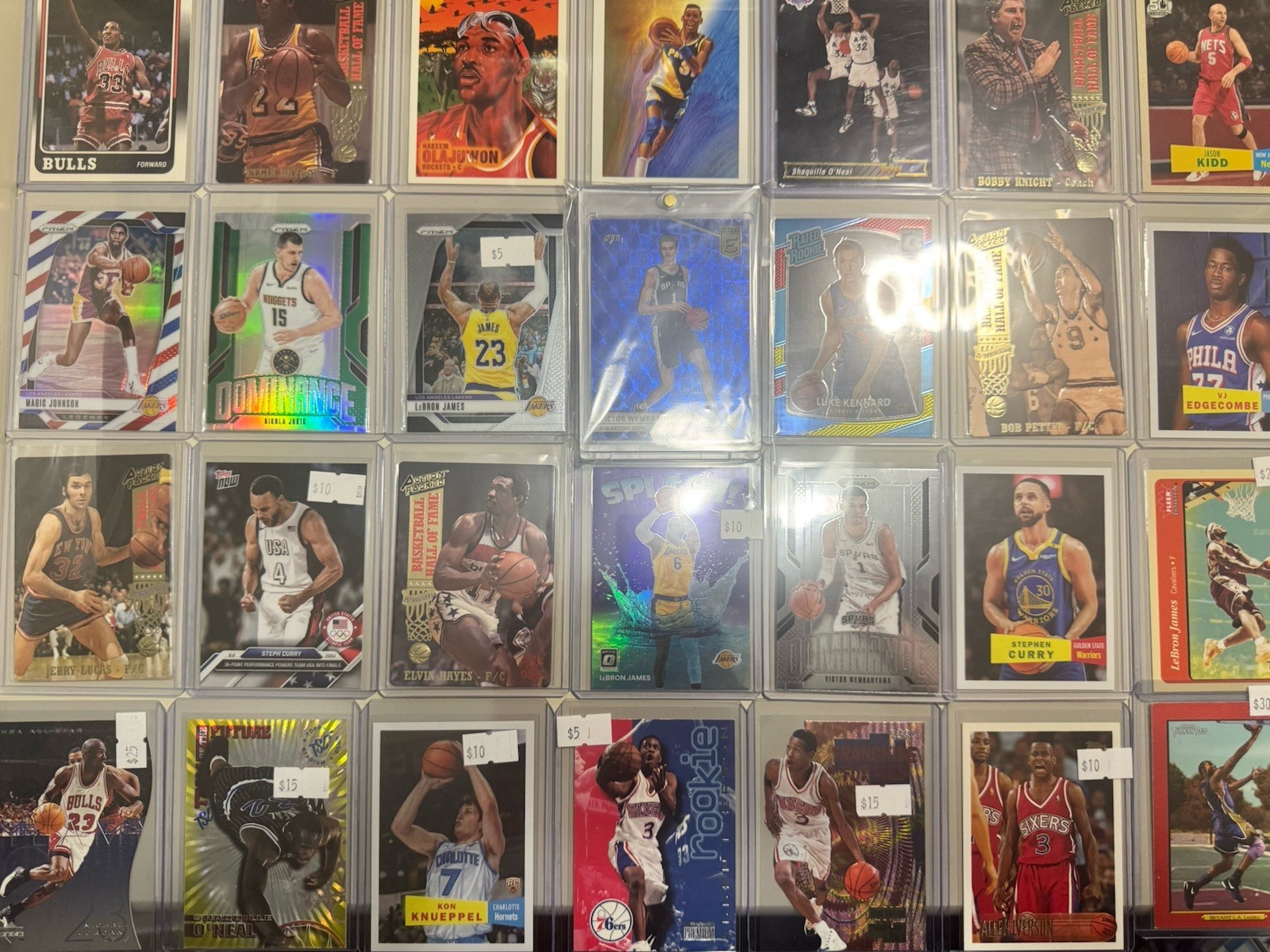
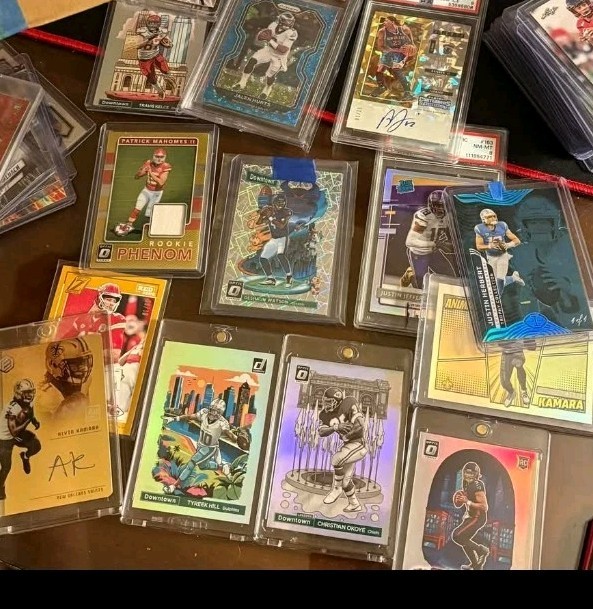

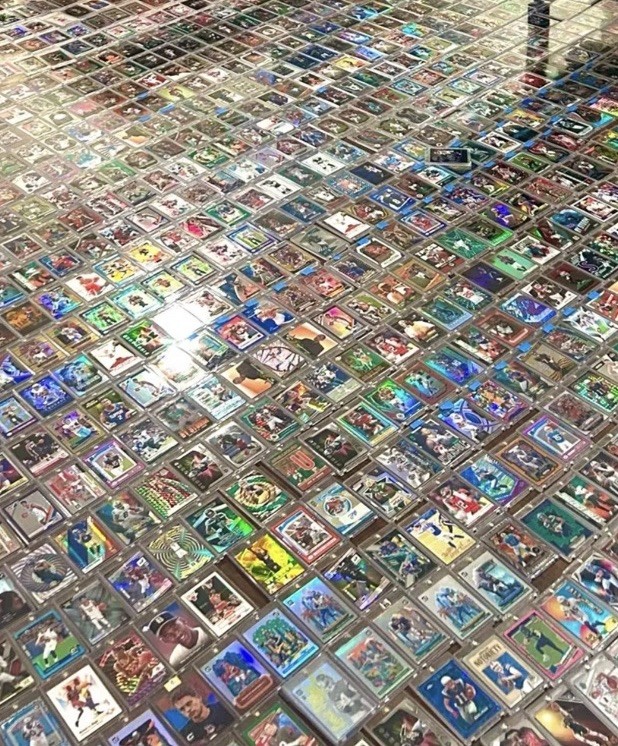

eBay links are affiliate links: JunkPal may earn a commission at no cost to you.
Resale values related to wholesale value
Shop wholesale value on eBay ↗




JunkPal may earn a commission when you buy through eBay links, at no extra cost to you.
What’s worth the most
Ranked on medians of real closed eBay sales, not asking prices.