What does “vintage set” mean?
What it means
A "vintage set" in trading cards refers to a complete or partial collection released before the modern era of the hobby. This generally means cards printed before the late 1990s, though the definition remains flexible. It is not simply "old"; it denotes a specific, recognized production run from a defined period. The mainstream equivalent is an "older issue" or "classic run." The term is a broad category. Value is not inherent in the label "vintage"; it is determined by the specific set's desirability, the cards' scarcity, and their condition. A complete set is a significant collector benchmark.
What it does to price
The designation "vintage set" acts as a baseline value anchor, but the actual price multiplier is set by the specific set's popularity. A complete, high-grade vintage set from a highly sought-after franchise can command a 5x to 15x premium over the sum of its loose, ungraded components. Conversely, a complete set of a niche, low-demand vintage property might only fetch 1.2x to 2x the loose value. Condition is paramount; a Near Mint/Mint (NM/M) vintage set can easily be 3x to 5x the value of a Near Mint/Excellent (NM/EX) version. For example, a complete 1980s baseball set in NM condition might sell for $800, whereas the same set in EX condition might only sell for $300.
How to spot it
Identification relies on specific print details and manufacturer identifiers. Sellers must provide the exact year and the card manufacturer (e.g., Topps, Upper Deck). Look for era-specific printing characteristics; early print runs often have different paper stock or border designs than later reprints. Always request high-resolution photos of the card backs, as these frequently contain copyright dates or set identifiers. Common mistakes include confusing a modern reprint with the original vintage release. Fakes often mimic the original card stock but lack the precise color saturation or print registration of the authentic vintage production.
Buying smart
Paying a premium for a vintage set is justified when the set is recognized as a "key set" within the hobby—meaning it is known to have rare chase cards or is from a franchise with sustained high demand (e.g., early sports or specific sci-fi properties). Paying a premium for a complete set of a minor, obscure property is usually poor investment. A fair deal involves the asking price being within 1.5x to 3x the estimated value of the set's rarest individual cards, assuming the entire run is present and graded or in high-grade condition.
Selling smart
Proving the set's vintage status elevates the listing from a bulk sale to a curated collection sale. Buyers pay a premium for verifiable history. The single most effective element to include is a clear, high-resolution photo of the set's cover card or a card explicitly showing the year and manufacturer logo. Using the term "Complete Vintage Set" in the title, rather than just "Set," immediately targets higher-tier buyers. Listing the set as "Complete Vintage Run" rather than "Vintage Set" signals higher completeness and justifies a higher price point.
On eBay right now
Current asking prices from live listings — not sold-comp medians.



eBay links are affiliate links: JunkPal may earn a commission at no cost to you.
Resale values related to vintage set
Shop vintage set on eBay ↗


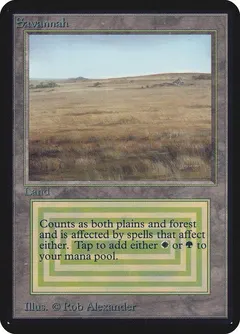
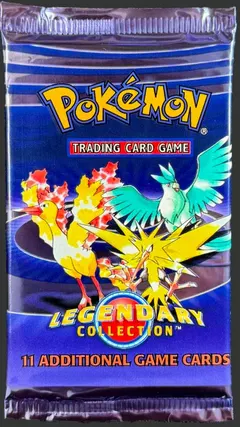

![Gengar [Sparkle] #94](/api/images/junkpal-products/cards/gengar-sparkle-94-pokemon-2000-topps-chrome-card/img0/thumb.webp)

JunkPal may earn a commission when you buy through eBay links, at no extra cost to you.
What’s worth the most
Ranked on medians of real closed eBay sales, not asking prices.