What does “vintage print card” mean?
What it means
A vintage print card is a modern trading card deliberately designed to replicate the aesthetic, artwork, or layout of cards from a specific, older collecting era. It is a reproduction or homage, not an original artifact from that vintage period. The term distinguishes these modern imitations from genuine vintage cards. While the aesthetic is retro, the manufacturing date is contemporary. The core value driver is the successful execution of the nostalgic design, not the age of the physical card itself.
What it does to price
Pricing is highly variable. A poorly executed print, even if replicating a popular design, typically sells for loose market value of a standard modern card, perhaps 1.0x to 1.2x. A high-quality, highly sought-after homage—one that perfectly captures a beloved, scarce vintage design—can fetch a 2x to 4x premium over its base modern equivalent. If the print is extremely rare within the modern production run, the multiplier can exceed 5x. Conversely, if the print quality is visibly low (misalignment, poor color saturation), the value drops significantly, often below the base price. For example, a standard modern card might sell for \$10; a perfect, highly desirable vintage print version could sell for \$25–\$40.
How to spot it
The primary tell is the copyright date and manufacturer information. Genuine vintage cards will have production dates corresponding to the era being mimicked. Vintage prints will bear a modern copyright date. Inspect the printing quality closely. Genuine vintage cards often show characteristic print wear or specific ink bleed patterns of their era. Modern reprints might exhibit overly crisp, digital printing that feels too perfect compared to the intended vintage look. Request high-resolution photos of the back of the card, specifically looking for modern licensing logos or contemporary manufacturer stamps that conflict with the card's design era.
Buying smart
Paying a premium for a vintage print is justified when the card is a known, highly desirable homage to a legendary, scarce piece of collecting history, and the print quality is flawless. If the print is merely "retro" without a specific, powerful nostalgic anchor, the premium is unwarranted. A fair deal involves a premium that is proportional to the perceived scarcity and execution quality—a 2x premium for a high-quality homage is often fair; a 10x premium for a mediocre print is overpaying.
Selling smart
Listing the card as a "Vintage Print Homage" or "Retro Reproduction" manages buyer expectations and prevents disputes over authenticity. Highlighting the *quality* of the replication is key. The single most effective element in a listing is a clear, close-up photo showing the print fidelity—a sharp image demonstrating the successful capture of the original artwork's texture or color palette. Using the term "Homage" or "Reproduction" upfront prevents buyers looking for genuine vintage cards from being misled.
On eBay right now
Current asking prices from live listings — not sold-comp medians.



eBay links are affiliate links: JunkPal may earn a commission at no cost to you.
Resale values related to vintage print card
Shop vintage print card on eBay ↗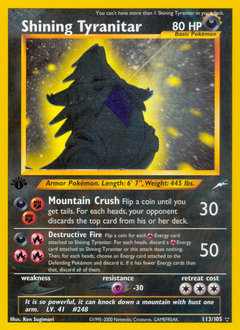

![Treecko [Gold Star] #109](/api/images/junkpal-products/cards/treecko-gold-star-109-pokemon-team-rocket-returns-card/img0/thumb.webp)

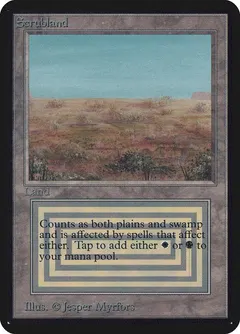
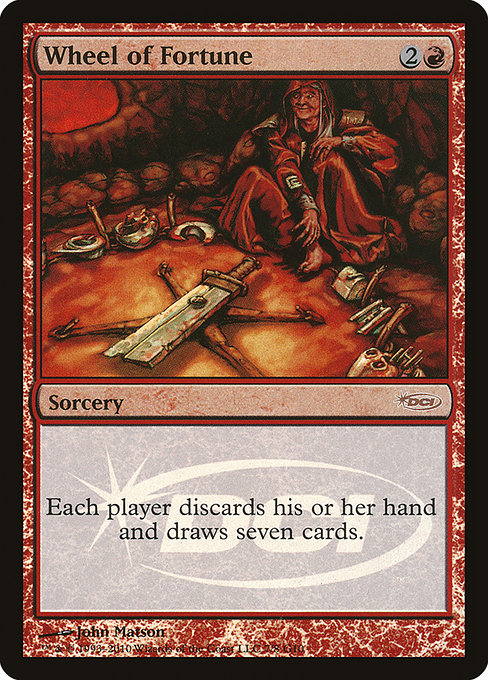

![Haunter [Sparkle] #93](/api/images/junkpal-products/cards/haunter-sparkle-93-pokemon-2000-topps-chrome-card/img0/thumb.webp)
JunkPal may earn a commission when you buy through eBay links, at no extra cost to you.
What’s worth the most
Ranked on medians of real closed eBay sales, not asking prices.