What does “vintage card price” mean?
What it means
Vintage card price is the estimated market value of a trading card manufactured before the late 1980s or early 1990s. This is distinct from "old card price," which can apply to any aged item. In this niche, vintage refers to the established collecting eras (e.g., 1950s through 1980s). The price is not static; it is a function of three variables: rarity (how many exist), condition (its physical state), and demand (how many buyers want it). A card from the 1950s is inherently valued differently than a 1980s card due to market maturity and historical significance.
What it does to price
Condition is the single largest price driver for vintage. A Near Mint (NM) vintage card can fetch 5x to 15x the price of a Played (PL) copy of the same card. For example, a common 1970s card might sell loose for $20; if it is professionally graded PSA 10, the same card can realistically sell in the $150–$300 range. Rarity acts as a floor; a common vintage card will never exceed the market ceiling of a rare one, regardless of condition. A key multiplier is the third-party grade: a PSA 9 vs. a PSA 10 can equate to a 1.5x to 3x price jump depending on the card’s base value.
How to spot it
Authenticity checks focus on printing consistency and paper stock. Look for print registration errors or color shifts that indicate different print runs. For older cards, verify the back design against known checklists for that specific set year. Common honest mistakes include misidentifying a reprint as an original issue. Fakes are often found in modern reproductions that use incorrect card stock texture or slightly off-center printing. Always request high-resolution photos of the card corners, edges, and surface, especially if the seller claims a high grade.
Buying smart
Paying a premium for vintage is justifiable only when the card has established, verifiable demand and a high scarcity rating. Do not overpay for high-grade copies of common, easily obtainable vintage cards. A fair deal involves comparing the asking price against recent sales data for the specific grade and card number. If a card is ungraded, the premium paid for the *potential* grade must be heavily discounted from the price of a comparable graded example. If the asking price is more than 2x the average graded sale price, further inspection or negotiation is required.
Selling smart
Proving the card's condition through professional grading is the most effective way to maximize returns. A raw, high-grade vintage card might sell for $800; the same card, professionally graded PSA 9, will typically sell for $1,200–$1,800 due to the immediate buyer confidence the slab provides. The single most valuable element in a listing is the slab photo itself. If grading is not possible, the word "Near Mint" must be backed by multiple, detailed close-up photos showing zero discernible surface scratches or corner wear.
On eBay right now
Current asking prices from live listings — not sold-comp medians.



eBay links are affiliate links: JunkPal may earn a commission at no cost to you.
Resale values related to vintage card price
Shop vintage card price on eBay ↗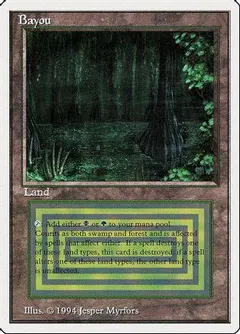


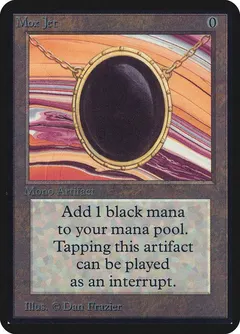
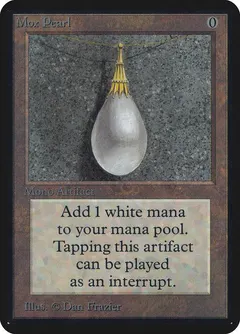
![Illusion's Zorua [Pucchigumi Winner] #L-P](/api/images/junkpal-products/cards/illusion-s-zorua-pucchigumi-winner-l-p-pokemon-japanese-promo-card/img0/thumb.webp)
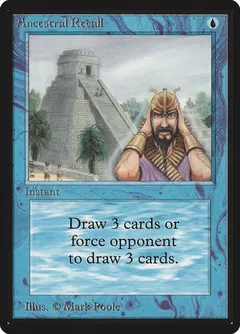
JunkPal may earn a commission when you buy through eBay links, at no extra cost to you.
What’s worth the most
Ranked on medians of real closed eBay sales, not asking prices.