What does “vintage” mean?
What it means
"Vintage" in trading cards denotes cards from a specific historical period, generally pre-1990s, though the precise cutoff varies by specific collecting subset. It is not merely "old"; it signifies a distinct era of card production, design, and cultural relevance. The term is broad, encompassing everything from 1950s baseball cards to 1980s sci-fi trading cards. Unlike "retro," which can sometimes imply a recent, nostalgic re-release, vintage implies genuine age and historical context. The inherent value is tied to the card being a primary artifact of that time, not just a reprint.
What it does to price
Age provides a baseline premium, but it is not the primary driver. A high-grade, rare vintage card can command 5x to 10x the price of a modern, comparable card in the same condition. Conversely, a common vintage card in poor condition might sell for less than a modern, mint-condition common card. Condition is paramount: a high-grade vintage card (e.g., PSA 9 or higher) can easily fetch $500 to $5,000+ depending on the subject. A common, ungraded vintage card in average condition might sell for $10–$50.
How to spot it
Identifying vintage requires knowledge of specific set characteristics. Look for specific card stock textures, printing errors common to the era, and established set numbering schemes. For older cards, request high-resolution photos showing the back of the card for printing consistency. Common issues include color shifts due to aging, paper brittleness, and corner wear that is inherent to the card's age. Fakes often fail to replicate the specific ink bleed or the exact texture of the original cardboard.
Buying smart
Paying a premium for vintage is justified when the card is rare, highly desirable (e.g., a rookie card of a major figure), and graded professionally. If the card is common or the subject matter lacks broad appeal, the premium over a modern equivalent may not be worth the risk, especially if condition is questionable. A fair deal involves the asking price aligning with established population reports for that specific grade and card number. If the price exceeds 3x the estimated market value for a comparable, ungraded card, further verification is required.
Selling smart
Proving authenticity and condition elevates the sale price significantly. Providing a third-party grading certificate (PSA, SGC, etc.) is the single most effective step, often adding 30% to 100% to the final sale price over an ungraded copy. Even without a grade, clear, detailed photos showing the card's edges, corners, and surface are necessary. Including the original set information or known provenance (e.g., "from a known collection") adds credibility and justifies a higher asking price.
On eBay right now
Current asking prices from live listings — not sold-comp medians.

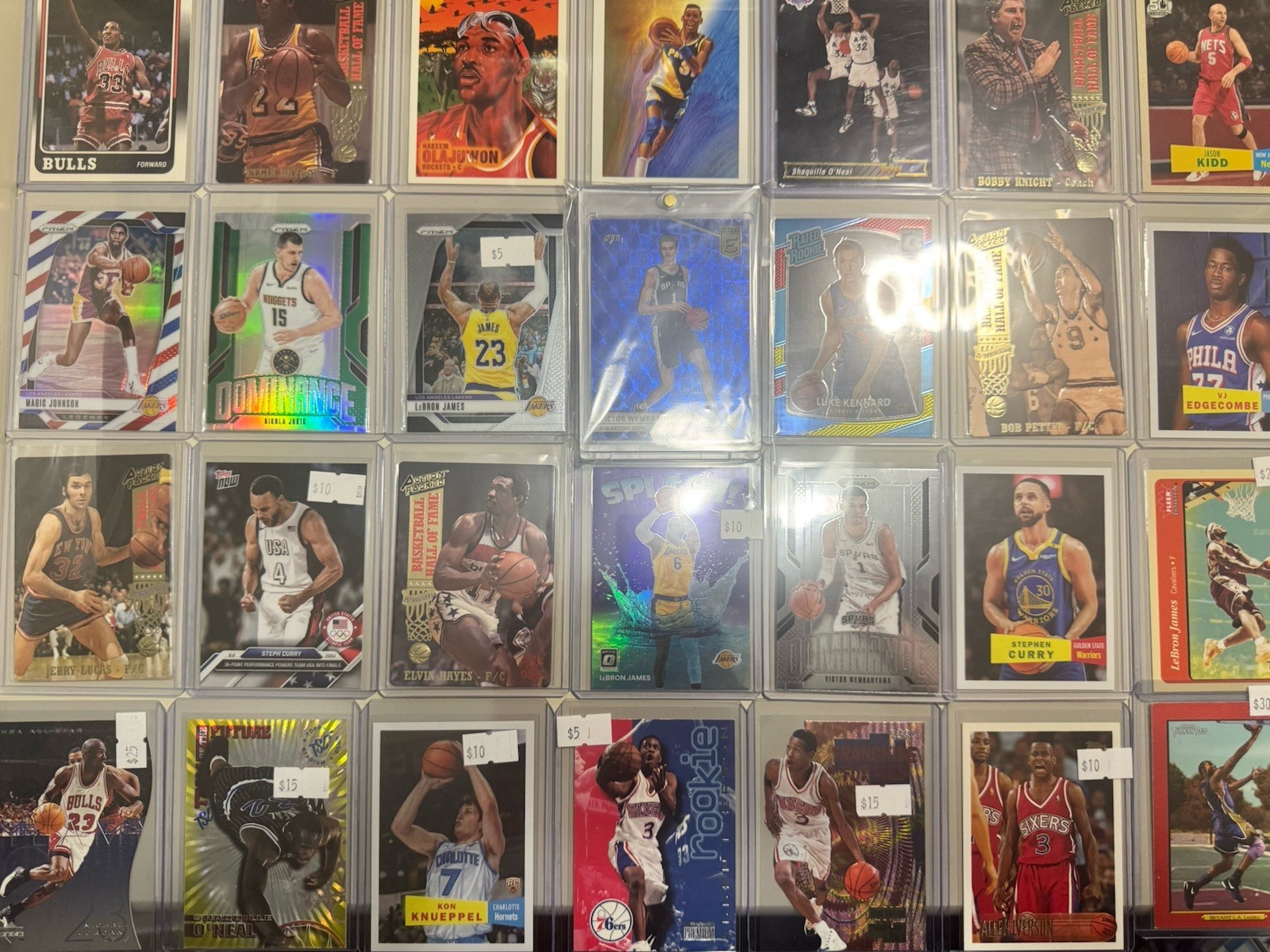
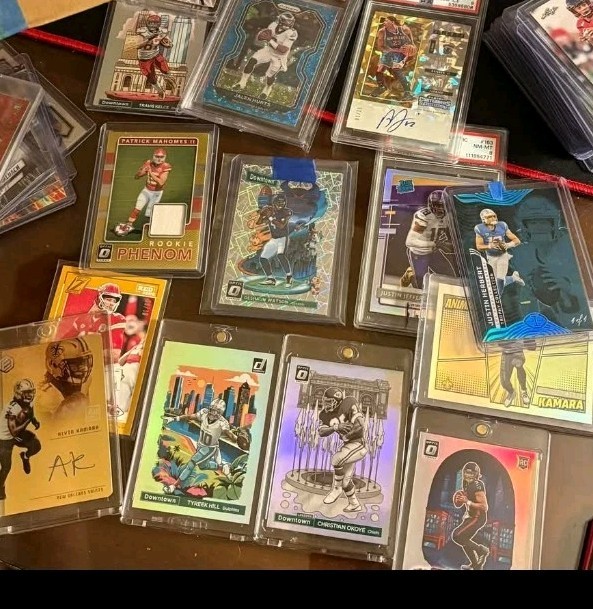


eBay links are affiliate links: JunkPal may earn a commission at no cost to you.
Resale values related to vintage
Shop vintage on eBay ↗![Charizard [Box Topper] #S1](/api/images/junkpal-products/cards/charizard-box-topper-s1-pokemon-legendary-collection-card/img0/thumb.webp)

![Eevee [Sparkle] #133](/api/images/junkpal-products/cards/eevee-sparkle-133-pokemon-2000-topps-chrome-card/img0/thumb.webp)




JunkPal may earn a commission when you buy through eBay links, at no extra cost to you.
What’s worth the most
Ranked on medians of real closed eBay sales, not asking prices.