What does “very good condition card” mean?
What it means
"Very Good condition card" (VG) denotes a card that shows clear signs of handling and use but retains its fundamental aesthetic appeal. This is not a card that has been stored perfectly; it has been actively handled or played with. The mainstream equivalent is often referred to as "Good" or "Lightly Played" in broader grading scales, but in the trading card niche, VG sits as a distinct step up from heavily played. Expected flaws include minor surface scuffs, light edge wear (slight whitening), and some degree of corner softening, but major creases, tears, or heavy staining are absent. The card is structurally sound and recognizable, but its surfaces are imperfect.
What it does to price
Condition dictates a significant discount from top-tier grades. A VG card typically commands 30% to 55% of the price of a comparable Near Mint (NM) copy. For a mid-tier collectible, this difference can translate to a $40 to $120 variance depending on market demand. Factors pushing the price up include minimal surface wear and clean edges. Factors pulling the price down include visible print lines, heavy edge whitening, or noticeable corner dings. If a card is VG but has a major, visible scratch across the face, the value can drop by an additional 20-30%.
How to spot it
Spotting VG requires close inspection, preferably under direct light. Look for edge wear first; if the white paper around the edges is significantly chipped or darkened, it leans toward Played. Surface wear is subtle—it appears as fine, light abrasions rather than deep gouges. Sellers should provide high-resolution photos focused on the corners and edges. A common honest mistake is confusing light surface scuffing (VG) with minor corner dings (which can push it toward Played). Beware of sellers labeling heavily worn cards as VG; the difference between a light scuff and a crease is often the difference between a sale and a return.
Buying smart
Paying a premium for a VG card is justified when the card is rare, highly sought after, or when an NM copy is priced excessively high (e.g., 2x the expected market rate). If the card is common or mid-tier, the discount offered by the VG condition is usually worth the savings. A fair deal for a VG card is one where the price reflects the known imperfections; if the listing description claims "lightly handled" but the photos show heavy edge fraying, the price is inflated. Aim for a price point that reflects a clear, documented compromise between pristine and damaged.
Selling smart
To maximize returns, the listing must accurately reflect the card's state. Do not use vague terms; specify the nature of the wear (e.g., "light edge whitening on top corners," "minor surface scuffing only"). Providing a macro photo specifically highlighting the most prominent flaw earns trust and justifies the price point. If the wear is minor and consistent with VG standards, the buyer will pay the expected premium for a usable, non-mint copy. Overselling the condition leads to disputes and negative feedback.
On eBay right now
Current asking prices from live listings — not sold-comp medians.

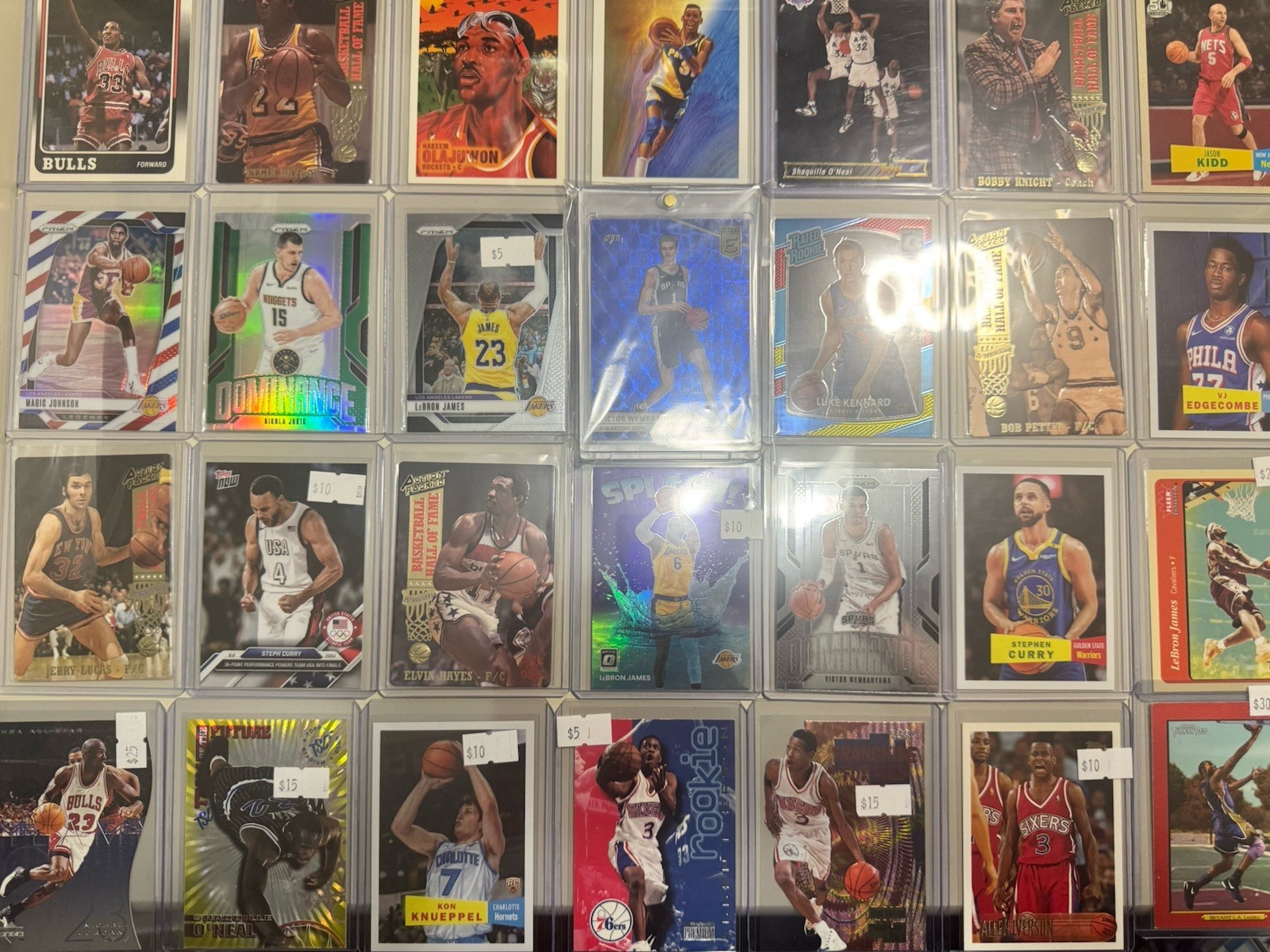
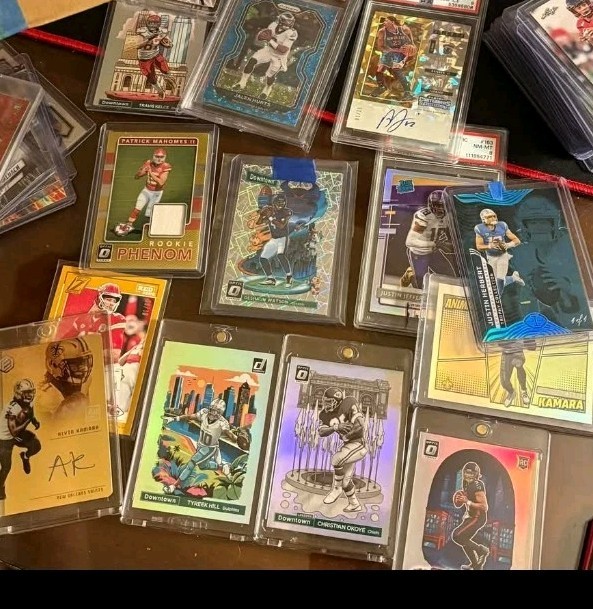

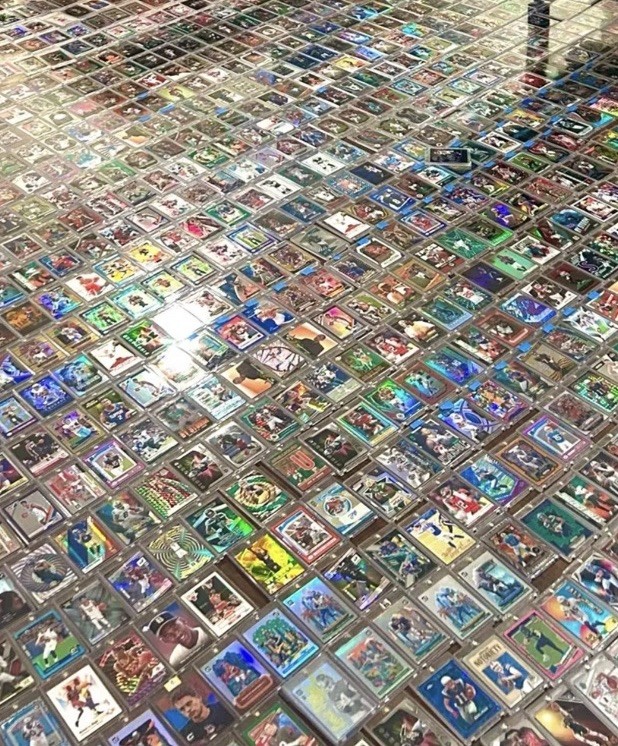

eBay links are affiliate links: JunkPal may earn a commission at no cost to you.
Resale values related to very good condition card
Shop very good condition card on eBay ↗
![Kyogre [Gold Star 1st Edition] #28](/api/images/junkpal-products/cards/kyogre-gold-star-1st-edition-28-pokemon-japanese-holon-research-card/img0/thumb.webp)
![Gengar [Reverse Holo] #10](/api/images/junkpal-products/cards/gengar-reverse-holo-10-pokemon-skyridge-card/img0/thumb.webp)
JunkPal may earn a commission when you buy through eBay links, at no extra cost to you.
What’s worth the most
Ranked on medians of real closed eBay sales, not asking prices.