What does “very good condition” mean?
What it means
"Very Good condition" (VG) in trading cards signifies a card that has sustained noticeable handling but remains structurally sound. This grade is distinct from "Near Mint" (NM), which implies near-perfect preservation. VG cards exhibit clear signs of use—minor surface wear, slight corner rounding, or light edge whitening—but these flaws do not obscure the card's artwork or text. It is not "Good" (G), which implies significant damage. VG means the card has been played with or handled regularly but has not been abused. For a reseller, this is a mid-tier grade, indicating solid collectibility without the premium associated with pristine condition.
What it does to price
The price differential between VG and NM is substantial, often ranging from 30% to 70% depending on the card's rarity and market demand. For a common, modern card, the difference might be negligible ($1-$3). However, for a highly sought-after vintage chase card, the gap can be significant; a VG copy might fetch 40-60% less than a comparable NM copy. Factors pushing the price up within the VG bracket include clean centering and minimal surface scratching. Factors pushing it down include heavy edge wear or noticeable print lines.
How to spot it
Visual inspection focuses on the four corners and the edges. VG cards will show distinct, but not severe, rounding or whitening along the edges. Surface wear appears as light scuffs or minor abrasions, not deep scratches. When examining print quality, look for consistent ink density; excessive fading or print bleed suggests poor storage or handling. Sellers should provide high-resolution macro shots focusing specifically on the four corners and the four edges to verify the VG claim. Be wary of sellers claiming VG when the card shows significant creasing, which is a clear sign of damage beyond VG parameters.
Buying smart
Paying a premium for VG is justified when the card is extremely rare, has high historical significance, or is part of a critical set run where NM copies are nearly impossible to find. If the card is common or mid-tier, the price gap between VG and G might not justify the extra cost for a casual collector. A fair deal for a VG card means the price reflects the known, visible flaws. If the seller describes it as "VG" but the photos show corner dings or deep surface gouges, the price is inflated.
Selling smart
Accurate grading description directly dictates buyer trust and willingness to pay. Listing the card as "Very Good" when it is closer to "Good" results in returns and negative feedback. To earn the premium associated with VG, the listing must explicitly detail the nature of the wear (e.g., "Minor edge whitening on bottom right"). The single most valuable asset in the listing is a close-up photo of the most damaged area—the corner or edge—to substantiate the grade claim. This preempts buyer disputes and validates the price point.
On eBay right now
Current asking prices from live listings — not sold-comp medians.

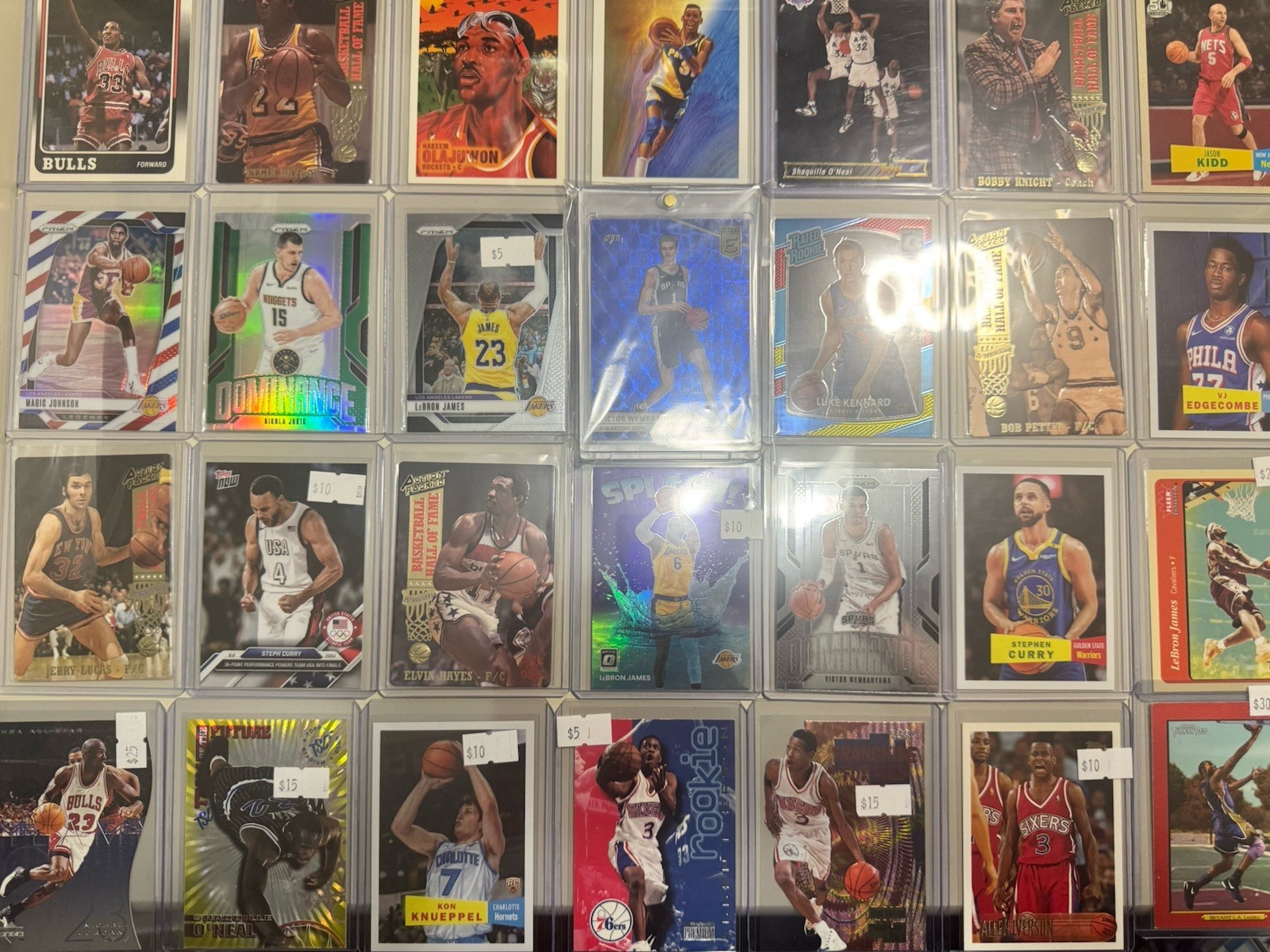
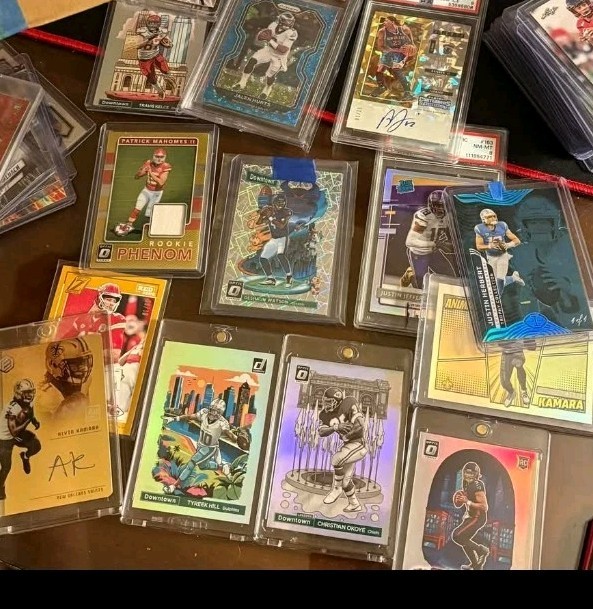

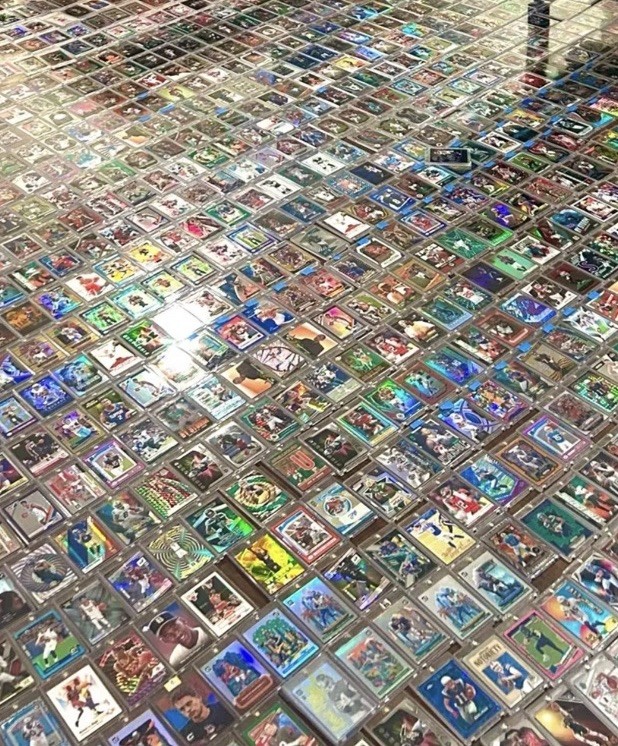

eBay links are affiliate links: JunkPal may earn a commission at no cost to you.
Resale values related to very good condition
Shop very good condition on eBay ↗

JunkPal may earn a commission when you buy through eBay links, at no extra cost to you.
What’s worth the most
Ranked on medians of real closed eBay sales, not asking prices.