What does “very good” mean?
What it means
"Very Good" (VG) in trading cards signifies a card that has seen moderate handling but remains aesthetically strong. It is a step above "Fine" (FN) and below "Near Mint" (NM). The card exhibits clear evidence of play or circulation—minor surface abrasions, slight corner softening, or faint edge wear—but these flaws do not obscure the artwork or significantly detract from the card’s overall appeal. The vibrancy of the colors is generally retained, and the print quality remains sharp. This grade is the standard for cards that are well-preserved but not factory-perfect.
What it does to price
The price difference between VG and NM is significant, often representing a 30% to 60% discount relative to a graded NM copy, depending on the card’s rarity. A high-demand, low-population card might fetch 0.4x to 0.7x the price of a graded NM version. Conversely, a common card might only see a 10-20% difference. Factors pushing VG up include crisp centering and minimal edge chipping. Factors pulling VG down include heavy creasing or significant surface scratching. For example, a common rookie card in VG might sell for $15, whereas the same card in NM could easily command $30-$40.
How to spot it
Look closely at the corners. VG cards will show slight rounding or "dings," not the sharp, pristine points of an NM card. Surface inspection reveals light scuffs or minor print rub, often visible under direct light. Edge wear appears as slight whitening or fraying, usually confined to the outer 1-2mm of the border. Sellers should provide high-resolution photos of all four corners and the card surface, specifically looking for pinholes or deep scratches. Be wary of sellers claiming "VG" when the card shows obvious creases; this is often an attempt to pass off a lower grade.
Buying smart
Paying a premium for VG is justified only when the card is otherwise pristine—excellent centering, no major creases, and the print quality is flawless. This grade is ideal for investors targeting high-volume, mid-tier assets where the absolute perfection of NM is not required to drive value. Avoid paying a high premium for VG if the card has noticeable print lines or heavy edge wear, as these flaws are difficult to hide and severely limit resale potential. A fair deal for a sought-after card in VG is typically 70-80% of the current market value for an NM copy.
Selling smart
When listing a VG card, the description must be precise. Do not use vague terms; specify the nature of the wear (e.g., "light corner rounding," "minor surface scuffing"). The single most effective photo is a close-up, well-lit shot of the card’s edges and corners, clearly showing the wear pattern. Using the term "VG" accurately allows the seller to target buyers who are budget-conscious but still want a visually appealing card, capturing a wider market segment than those only seeking graded NM items.
On eBay right now
Current asking prices from live listings — not sold-comp medians.


eBay links are affiliate links: JunkPal may earn a commission at no cost to you.
Resale values related to very good
Shop very good on eBay ↗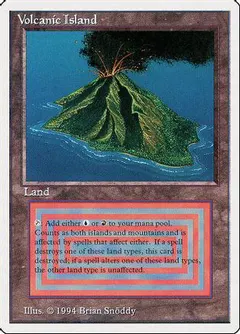
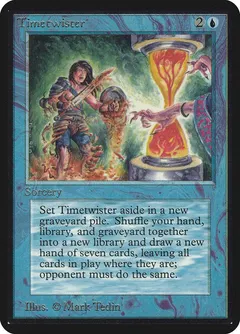
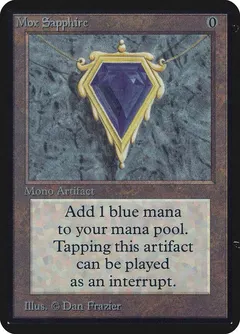

![Spikey-Eared Pichu [Televi-Kun Winner]](/api/images/junkpal-products/cards/spikey-eared-pichu-televi-kun-winner-pokemon-japanese-promo-card/img0/thumb.webp)

JunkPal may earn a commission when you buy through eBay links, at no extra cost to you.
What’s worth the most
Ranked on medians of real closed eBay sales, not asking prices.