What does “very fine” mean?
What it means
"Very Fine" (VF) is a high-tier grading designation for trading cards, indicating excellent preservation. It surpasses "Near Mint" (NM). While NM suggests near-perfection, VF allows for minor, inherent wear consistent with careful play or handling. This wear is typically limited to slight surface abrasions, very minor edge wear, or subtle corner rounding that does not detract significantly from the card's overall aesthetic appeal. It is not flawless, but it is exceptionally well-preserved. For the mainstream collector, this is often the highest attainable grade without incurring the extreme costs associated with a perfect Mint (M) grade.
What it does to price
VF commands a substantial premium over lower grades. Compared to a loose, ungraded copy, a graded VF copy typically fetches 2x to 4x the value, depending heavily on the card's rarity. The jump from NM to VF is often marginal in price unless the card is extremely high-demand; however, the jump from VF to NM can be significant. Factors pushing the price up include pristine centering and sharp corners. Factors pulling the price down include visible print lines or noticeable edge whitening. For a common, mid-tier card, the difference between a loose copy and a graded VF copy might be around $15 to $30.
How to spot it
Identifying VF requires close inspection. Look for microscopic surface scratches—these are acceptable in VF but unacceptable in NM. Edges should be crisp, but slight rounding at the corners is expected. Print quality must be sharp across the entire surface; blurring or fading suggests a lower grade. Sellers must provide high-resolution photos of the four corners and the edges, ideally under direct, bright light. A common honest mistake is mislabeling a card that is actually only "Excellent" (EX) as VF. Fakes in this tier usually involve poor centering or slightly off-color stock, which should be immediately flagged.
Buying smart
Paying a premium for VF is justified when the card is a cornerstone piece of a collection or is highly sought after. If the card is mid-tier or common, the premium over a lower-grade, ungraded copy may not yield sufficient return. A fair deal for VF means the price reflects the documented, minor imperfections. If the seller claims NM but the card exhibits clear, visible edge chipping, the price is inflated and the deal is poor. Look for established grading company certifications to validate the grade claim.
Selling smart
When listing a VF card, the description must accurately reflect the grade limitations. Do not overpromise; use precise language like "Minor edge wear present" rather than "Near Perfect." Providing a photo showing the specific area of wear (e.g., a close-up of a slightly rounded corner) builds trust and justifies the VF price point. The single most effective action is including a clear, high-resolution image of the card's edges and corners. This visual proof validates the grade, allowing the seller to command the higher price bracket reserved for verified, high-condition pieces.
On eBay right now
Current asking prices from live listings — not sold-comp medians.
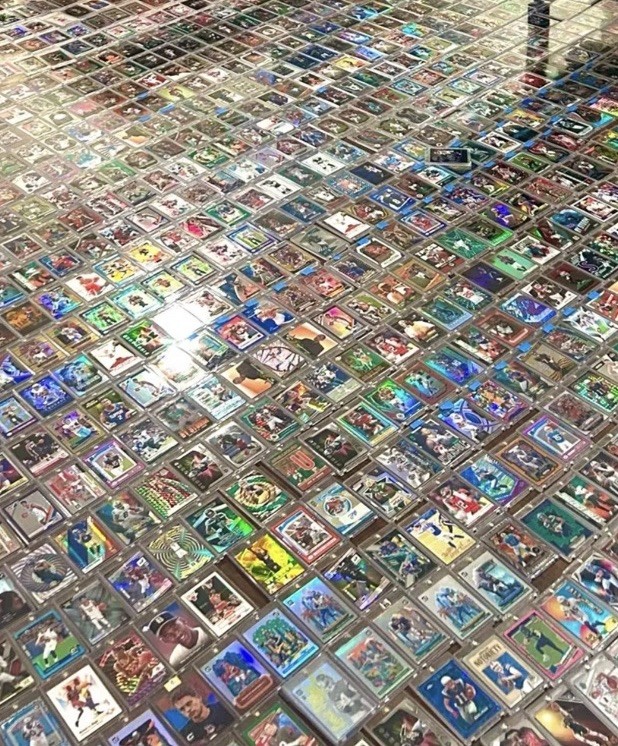

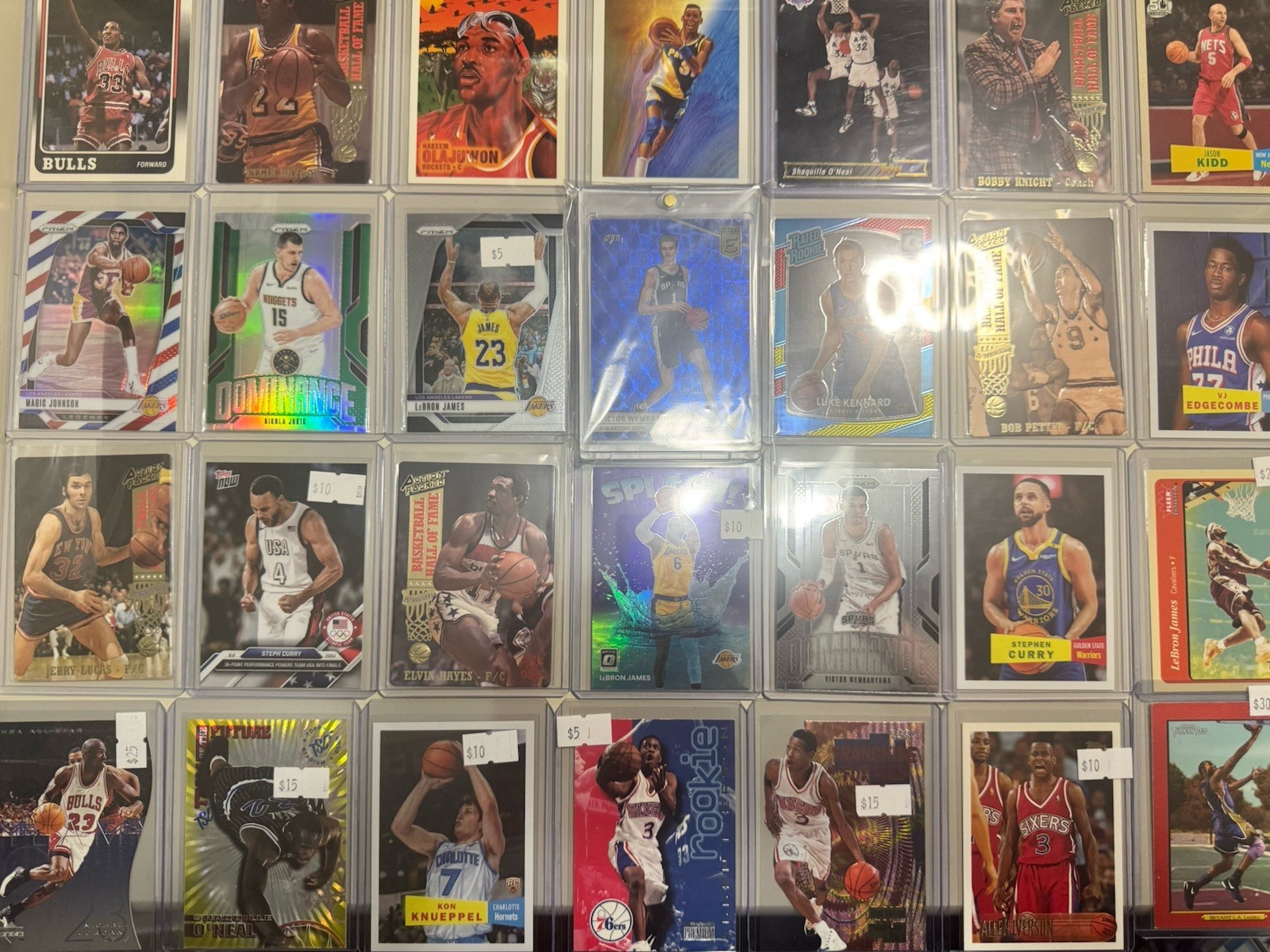
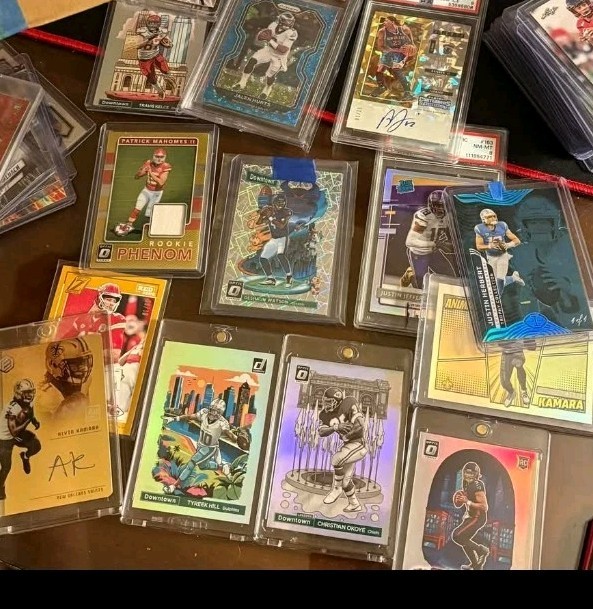


eBay links are affiliate links: JunkPal may earn a commission at no cost to you.
Resale values related to very fine
Shop very fine on eBay ↗![Charizard [Spectra] #6](/api/images/junkpal-products/cards/charizard-spectra-6-pokemon-2000-topps-chrome-card/img0/thumb.webp)
![Jolteon [Tekno] #135](/api/images/junkpal-products/cards/jolteon-tekno-135-pokemon-2000-topps-chrome-card/img0/thumb.webp)


JunkPal may earn a commission when you buy through eBay links, at no extra cost to you.
What’s worth the most
Ranked on medians of real closed eBay sales, not asking prices.