What does “vault grade” mean?
What it means
"Vault grade" is a subjective, high-tier designation applied by specialized grading services, not a standardized numerical grade like PSA 10 or BGS 9. It functions as a qualitative descriptor indicating a card has met the highest possible standards of preservation and authentication. The term implies the card has been stored under near-perfect, archival conditions—often referencing institutional or museum-level storage protocols. For the reseller, this translates to the absolute pinnacle of condition, surpassing standard "Gem Mint" ratings. It is a marketing term for an A-grade investment piece.
What it does to price
The price premium associated with a verified vault grade is substantial, often ranging from 1.8x to 3.5x the value of a high-grade raw card, depending on the card's rarity and market demand. A common trigger for a higher multiplier is a perfect centering combined with flawless surface condition (no print defects, no edge wear). Conversely, if the "vault grade" designation is used loosely on a card with minor, unlisted flaws, the value drops sharply, sometimes falling below the price of a standard high-grade card. For example, a rare rookie card graded "vault grade" might sell for $10,000, whereas the same card in a standard PSA 10 might fetch $6,000.
How to spot it
There are no universal edition markers for "vault grade." It is a label applied *after* grading. The tell is the certificate itself. Buyers must verify the grading company's accreditation and review their specific submission guidelines for "vault" status. Sellers should provide high-resolution, multi-angle photos of the card *before* it was graded. Common issues include counterfeit grading labels or misrepresentation where a card is simply stored well but not formally graded to the highest standard. If a seller claims it is "vault grade" but provides no grading company certificate, the designation is worthless.
Buying smart
Paying a premium for a vault grade is justified only when the card is a blue-chip asset—a highly sought-after rookie or chase card with established, consistent market demand. If the card is mid-tier or has a volatile market, the risk of overpaying for the subjective "vault" label outweighs the benefit. A fair deal involves the asking price being within 20% of established auction results for comparable, officially graded top-tier cards from the same service. If the premium pushes the price above 30% of the comparable market value, further due diligence on the grading company is required.
Selling smart
Listing a card with a vault grade requires the grading certificate to be the centerpiece of the listing. The single most valuable element is the authenticated, high-resolution image of the official grading slab/certificate, clearly showing the "vault" designation. This moves the item from a high-grade collectible to a certified investment asset. Buyers pay the premium for the risk mitigation the grade provides. Listing it without the certificate, even if the card is physically flawless, forces the buyer to assume the risk, resulting in a significantly lower offer.
On eBay right now
Current asking prices from live listings — not sold-comp medians.

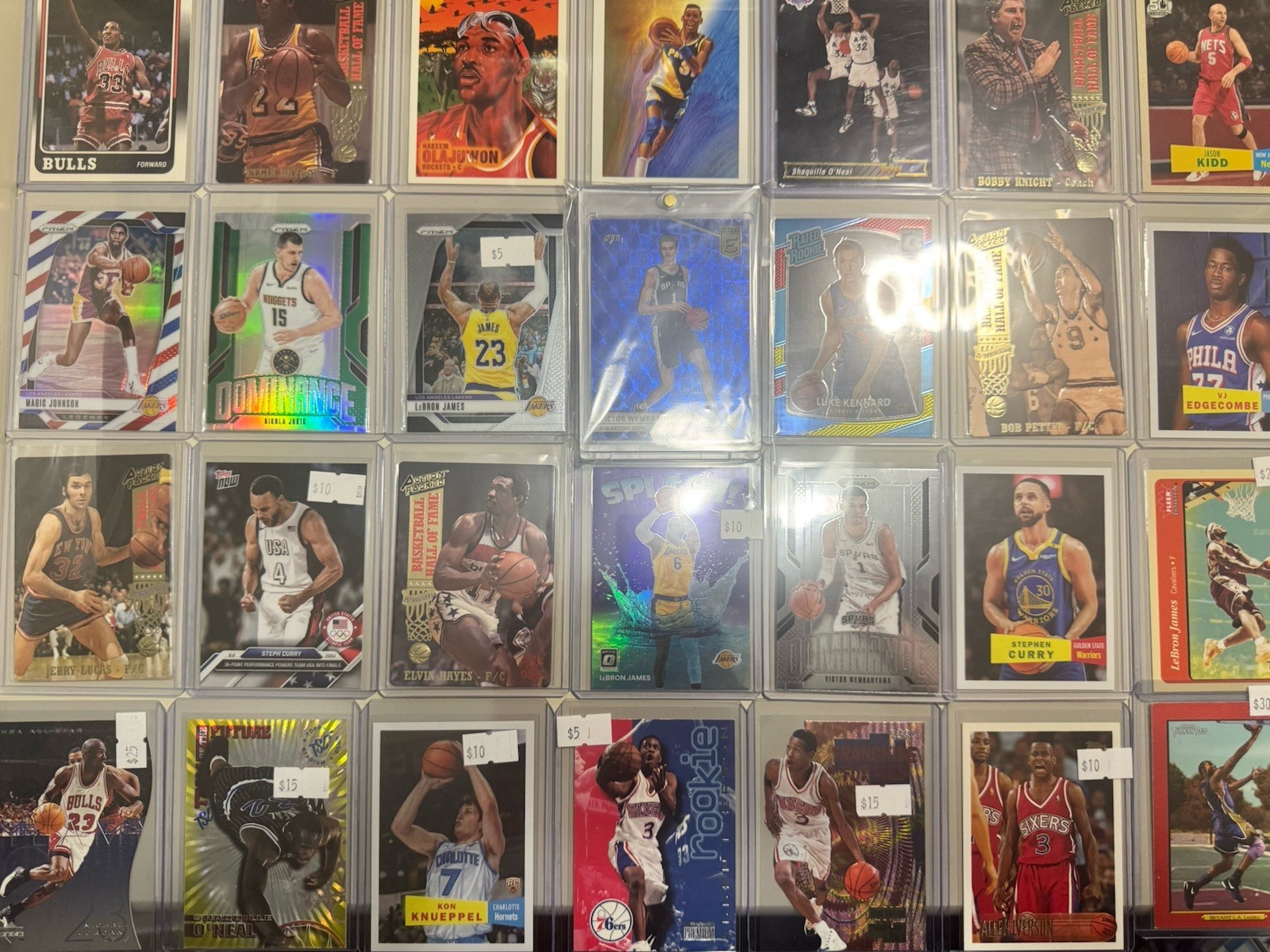
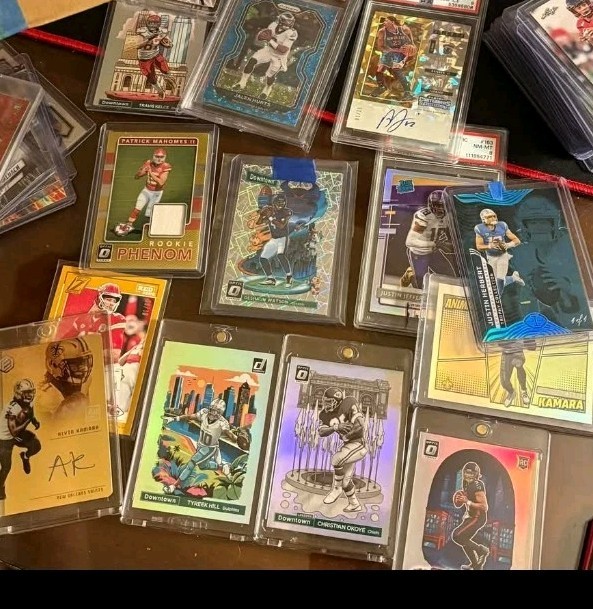

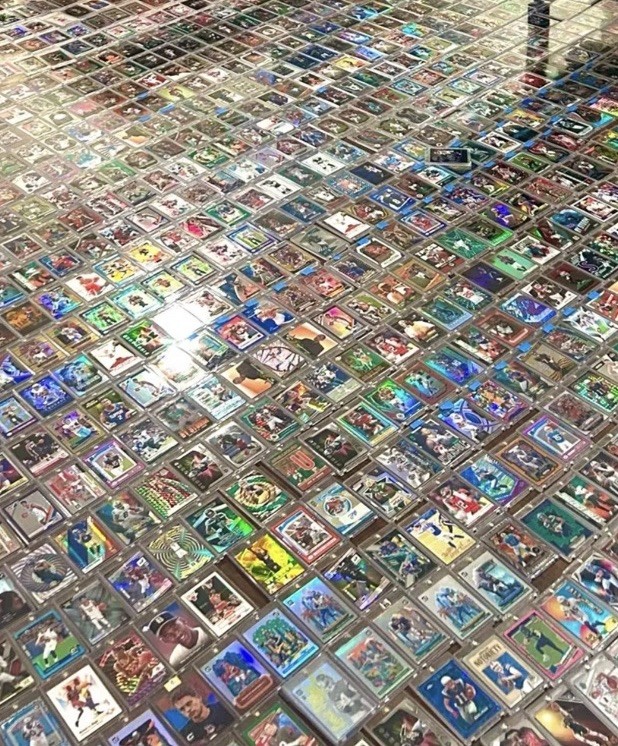

eBay links are affiliate links: JunkPal may earn a commission at no cost to you.
Resale values related to vault grade
Shop vault grade on eBay ↗




![Elite Trainer Box [Pokemon Center]](/api/images/junkpal-products/cards/elite-trainer-box-pokemon-center-pokemon-destined-rivals-card/img0/thumb.webp)
![Elesh Norn, Grand Cenobite [Serialized] #133](/api/images/junkpal-products/cards/elesh-norn-grand-cenobite-serialized-133-magic-multiverse-legends-card/img0/thumb.webp)
JunkPal may earn a commission when you buy through eBay links, at no extra cost to you.
What’s worth the most
Ranked on medians of real closed eBay sales, not asking prices.