What does “variant pull” mean?
What it means
A variant pull is a non-standard printing or production version of a trading card found within a sealed product. This differs from the standard, mass-produced print run. These variations are not simply grading differences (like centering or surface condition); they are inherent differences in the card itself. Examples include specific parallel treatments, unique foil patterns, alternative artwork runs, or slight variations in card stock or text placement. The mainstream equivalent is a "special edition" or "parallel," but "variant pull" specifically refers to an unexpected, non-guaranteed pull from a standard pack.
What it does to price
The value impact of a variant pull is entirely dependent on its rarity and desirability within the collecting community. A highly sought-after variant can command multipliers ranging from 3x to 10x or more compared to the base card. A common or easily obtainable variant may see only a 1.1x to 1.3x increase. For example, a standard $10 card might jump to $40 if it is a confirmed, highly limited variant, but a common variant might only reach $12. The upward pressure is driven by scarcity; the downward pressure comes from poor condition or an unverified status.
How to spot it
Identification requires meticulous comparison against known examples. Look for specific production markers, unique holographic placements that deviate from the standard pattern, or subtle color shifts in the print run. Some variants are designated by specific set numbering or unique card backs. Sellers must provide high-resolution images showing the entire card, including edges and corners, to confirm the variant status. Common pitfalls include misidentifying a simple print error (a manufacturing flaw) as an intentional variant, or accepting a poorly photographed card where the variant feature is obscured.
Buying smart
Paying a premium for a variant pull is justified when the card is confirmed to be a low-print-run item, often indicated by established community tracking data or official set lists. The premium is worth it when the variant is part of a known, desirable chase subset. It is not worth the premium if the card is simply a minor, unlisted aesthetic difference or if the seller cannot provide verifiable proof of the variant status. A fair deal requires the listed price to reflect the established market premium for that specific variant tier.
Selling smart
To maximize sale price, the listing must unequivocally prove the card is a variant pull. The single most effective element is a clear, close-up photograph highlighting the specific distinguishing feature—be it the altered texture, the unique foil pattern, or the alternate art panel. Using the term "Confirmed Variant Pull" in the title, supported by high-resolution evidence, immediately shifts the buyer’s perception from a standard card to a collectible anomaly, justifying the necessary price increase.
On eBay right now
Current asking prices from live listings — not sold-comp medians.

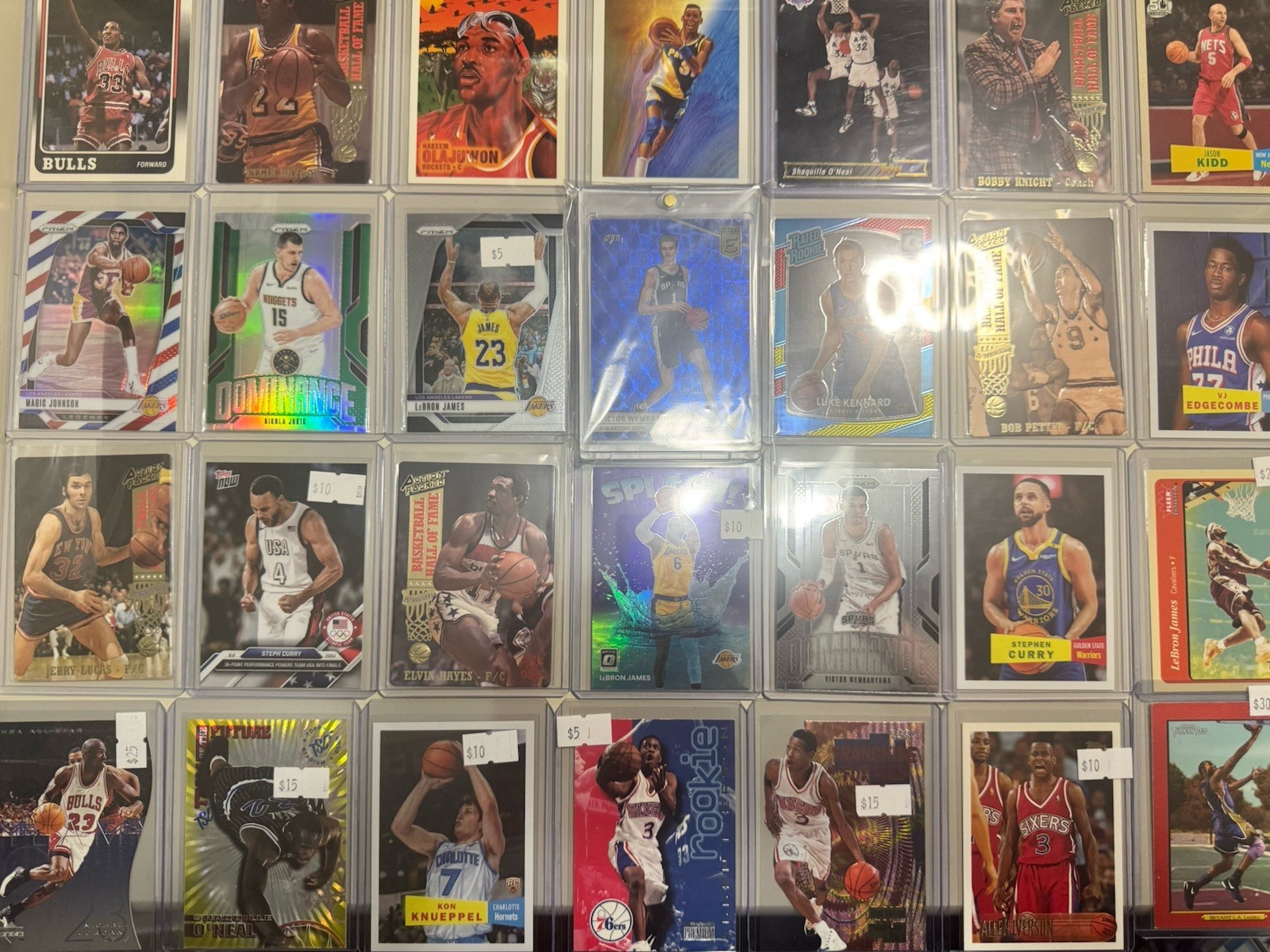
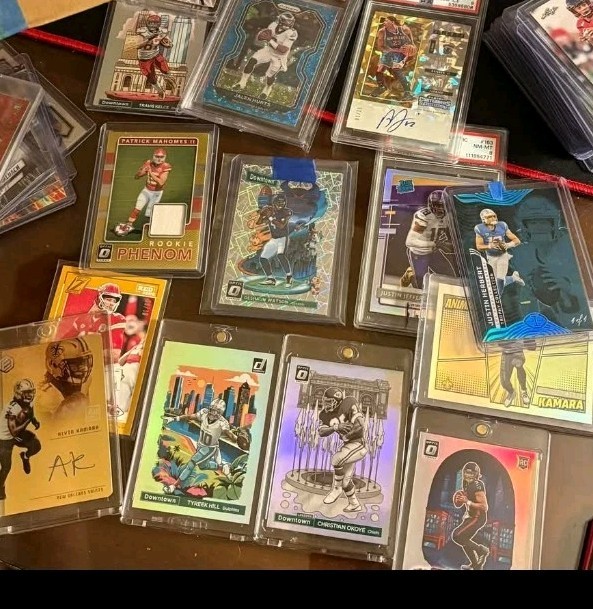

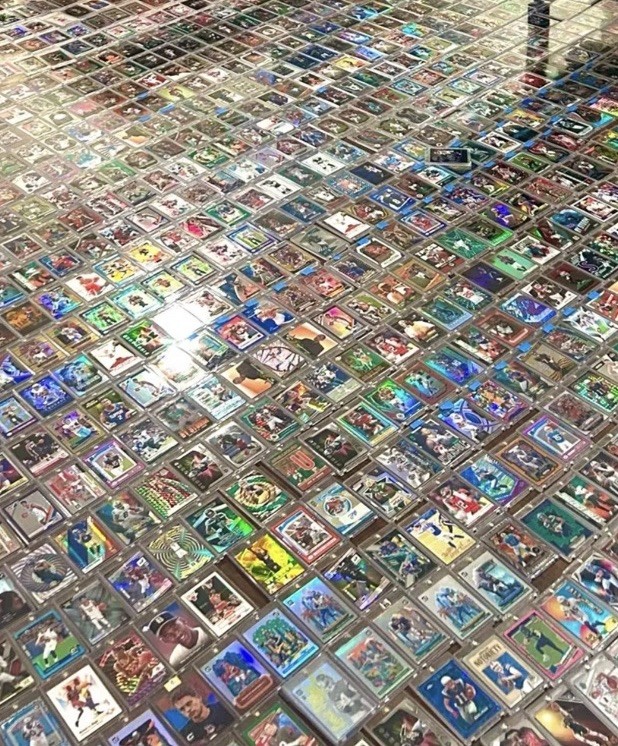

eBay links are affiliate links: JunkPal may earn a commission at no cost to you.
Resale values related to variant pull
Shop variant pull on eBay ↗



![Ditto [Sparkle] #132](/api/images/junkpal-products/cards/ditto-sparkle-132-pokemon-2000-topps-chrome-card/img0/thumb.webp)
JunkPal may earn a commission when you buy through eBay links, at no extra cost to you.
What’s worth the most
Ranked on medians of real closed eBay sales, not asking prices.