What does “variant printing” mean?
What it means
Variant printing refers to any discernible, intentional or accidental deviation from the primary production run of a trading card. This is not merely a grading variation; it is a difference in the physical manufacturing process. Examples include shifts in ink density, altered background color palettes, variations in foil application patterns, or differences in the card stock finish (e.g., UV coating variations). In the collecting sphere, this is synonymous with "sub-set differentiation." The core artwork and text remain the same, but the physical execution differs, creating a distinct, often limited, print run.
What it does to price
Variant printing directly correlates with scarcity, which drives price. A confirmed, officially recognized variant print run can elevate a card's value by 2x to 10x compared to the standard version, depending on the rarity tier of the variant. Minor, accidental print errors (e.g., a single misaligned corner) typically add a small premium, perhaps 10-30% over the base card, unless the error is widespread and documented as a known "error print." A deliberately limited variant, however, can see multiples exceeding 5x. For example, a standard $50 card with a confirmed, limited-run color shift variant might sell for $150–$250 loose.
How to spot it
Identification requires close inspection, usually under magnification. Look for differences in metallic sheen (foil placement), color registration (ink alignment), and paper texture. Many modern variants utilize specific, hard-to-spot markers, such as a different symbol printed near the card number or a specific batch code on the back. If the difference is subtle (e.g., a slight shift in cyan saturation), sellers must provide high-resolution, well-lit photos showing the area of variance. Be wary of "fakes"—these are often just poorly cropped photos of the standard card presented as a variant.
Buying smart
Paying a premium for a variant is justified only when the variant is officially recognized, documented, or demonstrably rare. If the difference is ambiguous or appears to be a simple manufacturing flaw rather than a deliberate production variation, the premium is likely unwarranted. A fair deal involves the asking price being within 1.5x to 3x the established loose market price of the standard version, provided the variant is confirmed rare. If the seller cannot provide clear evidence of the specific variant characteristic, the price should be treated as standard.
Selling smart
Proving the variant status is the primary mechanism for maximizing return. A listing must clearly articulate *what* the variant is (e.g., "Blue-Shift Variant," "Error Ink Print"). The single most effective piece of evidence is a macro photograph focusing precisely on the differentiating feature—be it the foil placement, the color shift, or the specific marker. Adding the phrase "Confirmed Variant Print" in the title, supported by clear imagery, shifts the item from a standard listing to a specialized, high-value collectible.
On eBay right now
Current asking prices from live listings — not sold-comp medians.

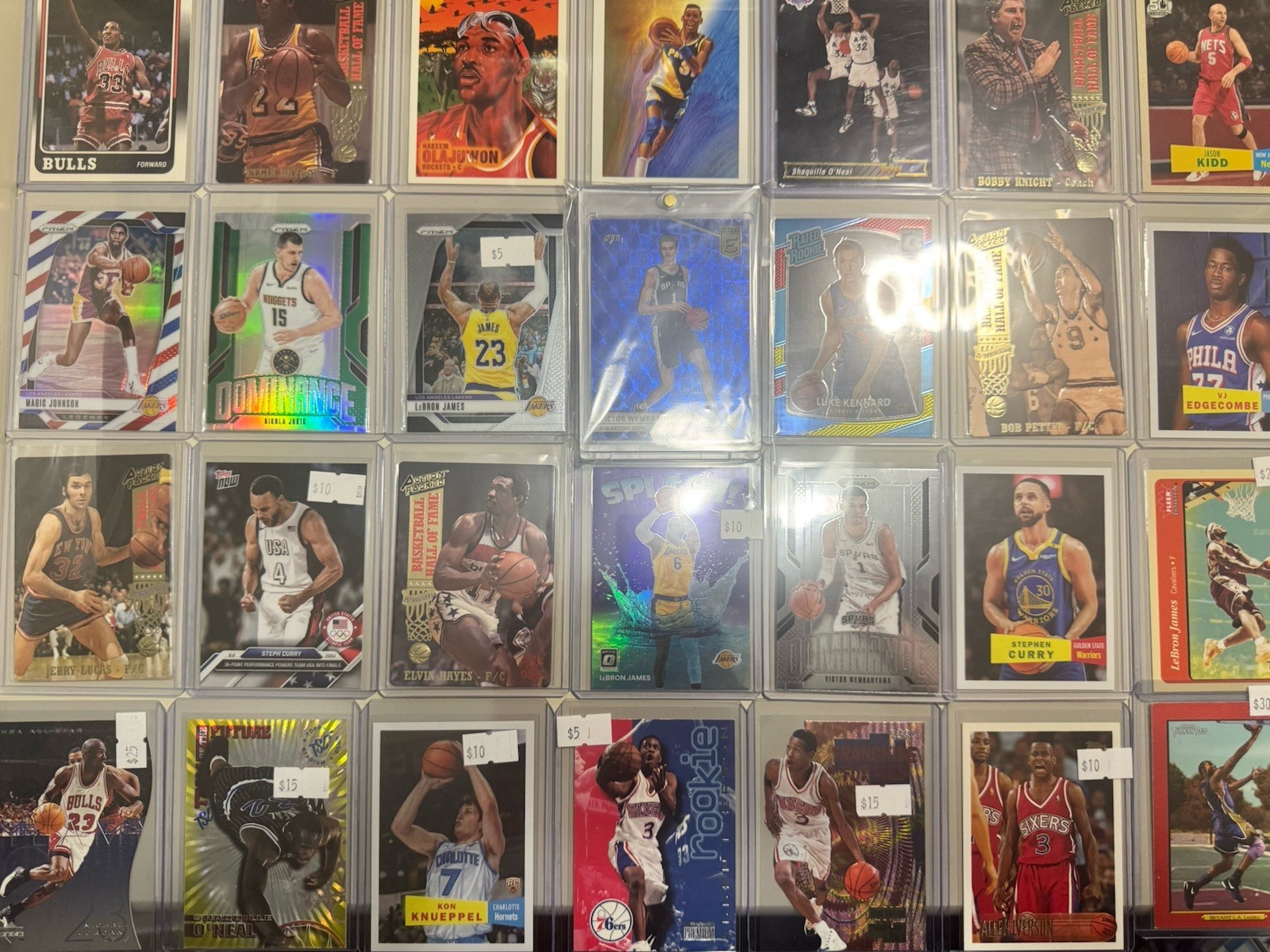
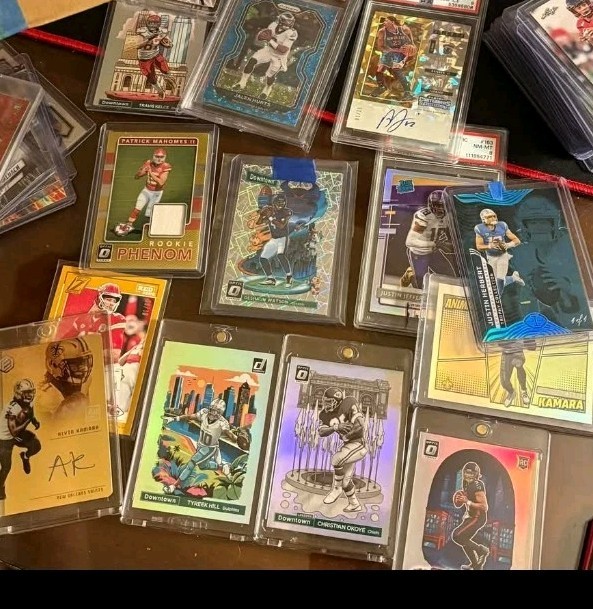

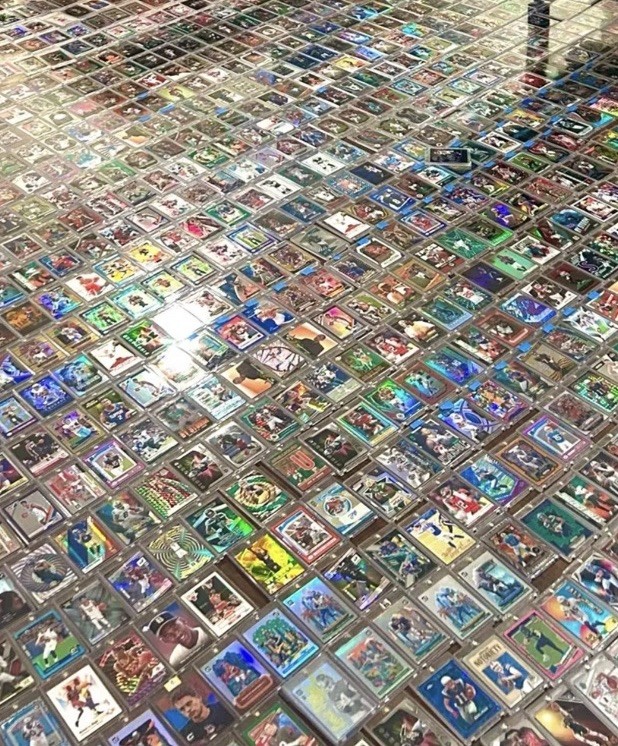

eBay links are affiliate links: JunkPal may earn a commission at no cost to you.
Resale values related to variant printing
Shop variant printing on eBay ↗


![Lapras [Tekno] #131](/api/images/junkpal-products/cards/lapras-tekno-131-pokemon-2000-topps-chrome-card/img0/thumb.webp)
![Vulpix [Tekno] #37](/api/images/junkpal-products/cards/vulpix-tekno-37-pokemon-2000-topps-chrome-card/img0/thumb.webp)
![Blastoise [Tekno] #9](/api/images/junkpal-products/cards/blastoise-tekno-9-pokemon-2000-topps-chrome-card/img0/thumb.webp)

JunkPal may earn a commission when you buy through eBay links, at no extra cost to you.
What’s worth the most
Ranked on medians of real closed eBay sales, not asking prices.