What does “variant” mean?
What it means
A variant is a specific, non-standard iteration of a trading card within a set. This is not merely a slight wear mark; it is an intentional or accidental deviation from the primary, mass-produced version. Differences fall into several categories: parallel versions (e.g., Gold, Chrome, Rainbow), color shifts (e.g., a specific shade of blue used only on a limited run), specific printing errors (e.g., a miscut or shifted registration), or unique promotional inclusions (e.g., a specific event stamp). In collecting terms, a variant introduces scarcity. The mainstream equivalent is "a special edition" or "a different printing," but in the card market, the term "variant" covers both intentional scarcity and genuine production flaws.
What it does to price
Variants directly impact market value by creating artificial scarcity. The price multiplier depends entirely on the variant's rarity tier. A common, low-tier parallel variant might fetch 1.2x to 2x the price of the base card. A true, scarce error variant or a highly sought-after limited parallel can see multipliers ranging from 5x up to 20x or more compared to the base card. For example, a standard base card might sell for $5.00 loose; if that card is a known, scarce "Error Print," it could easily command $50.00 or more, depending on demand. Price increases are driven by documented scarcity, not just appearance.
How to spot it
Identification requires close inspection. Look for specific markers: unique foil patterns, different card stock textures, distinct numbering schemes (e.g., /10 vs. /100), or specific color deviations under bright light. If a variant is an error, the tell is often a visible registration misalignment or a specific ink bleed. For high-value variants, always request high-resolution, uncropped photos showing the entire card surface and the back. Be wary of "fake variants"—cards that have been artificially altered or poorly printed to mimic a rare version; these lack the consistent quality of authentic production runs.
Buying smart
Paying a premium for a variant is justified only when the scarcity is verifiable and the market demand is proven. If a seller claims a card is a "rare variant" but cannot provide comparative proof or detailed documentation, the premium is speculative risk. A fair deal involves the asking price being within 20-30% of established secondary market sales data for that specific variant designation. If the difference between the base card and the variant is negligible (e.g., a slight color shift not tied to a known parallel), the premium is likely inflated.
Selling smart
To maximize return, the listing must explicitly define the variant. Do not simply list it as the base card and hope the buyer notices the difference. Use precise terminology: "Gold Parallel Variant," "Error Print - Registration Shift," etc. The single most effective tool for proving value is a high-resolution, well-lit photo that clearly isolates the differentiating feature—whether it is the specific numbering, the unique foil texture, or the visible print flaw. This documentation shifts the item from a speculative listing to a verifiable collectible asset.
On eBay right now
Current asking prices from live listings — not sold-comp medians.


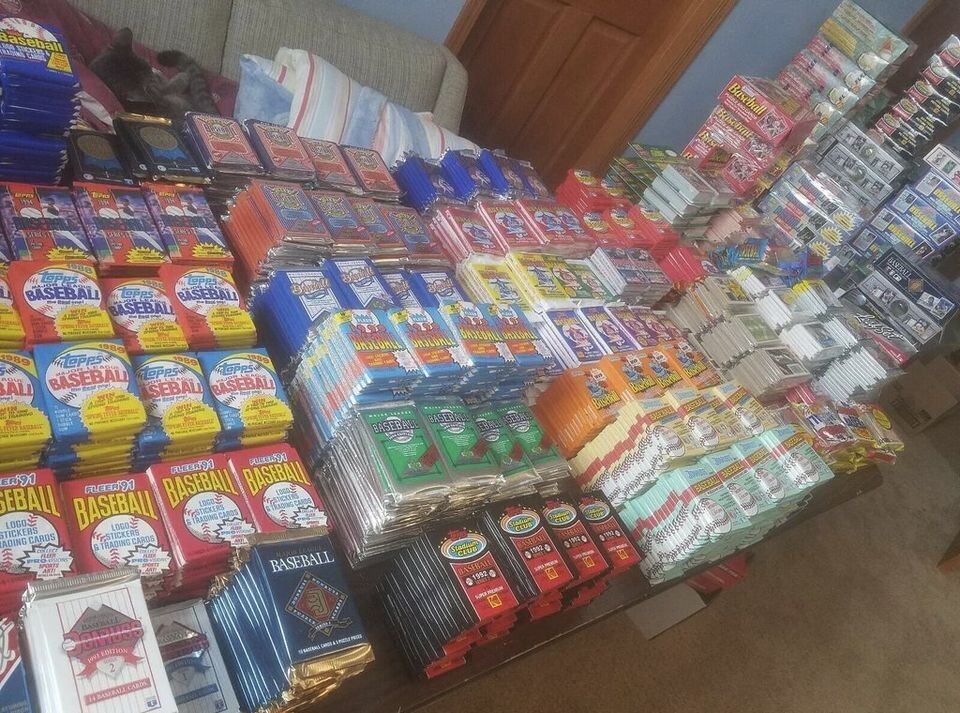


eBay links are affiliate links: JunkPal may earn a commission at no cost to you.
Resale values related to variant
Shop variant on eBay ↗

![Charizard [Box Topper] #S1](/api/images/junkpal-products/cards/charizard-box-topper-s1-pokemon-legendary-collection-card/img0/thumb.webp)

![Eevee [Sparkle] #133](/api/images/junkpal-products/cards/eevee-sparkle-133-pokemon-2000-topps-chrome-card/img0/thumb.webp)


JunkPal may earn a commission when you buy through eBay links, at no extra cost to you.
What’s worth the most
Ranked on medians of real closed eBay sales, not asking prices.