What does “unverified copy” mean?
What it means
An unverified copy is a trading card lacking formal authentication or grading from a recognized third-party service (e.g., PSA, BGS, CGC). This is the baseline state for most loose cards. It does not mean the card is fake, only that its quality, rarity, and authenticity have not been independently certified. The mainstream equivalent is simply "raw" or "ungraded." The definition is precise: the card exists, but its market-grade status is entirely reliant on the seller's description.
What it does to price
Unverified copies carry a significant discount compared to their graded counterparts, often ranging from 30% to 70% less, depending on the card's perceived rarity. The discount is heavily influenced by the card's visual condition. A high-grade, visually perfect unverified copy might trade at 60-80% of a PSA 10 equivalent. Conversely, a card with visible surface wear (scratches, print lines) but high intrinsic value might fetch less than 40% of its graded value. For example, a rare rookie card in near-mint unverified condition might sell for $150, whereas the same card graded PSA 9 could easily command $300 or more.
How to spot it
The primary tell is the absence of a protective slab or authentication sticker. When examining the card itself, look for print quality consistency across the surface. Fakes often exhibit slightly off-center printing, inconsistent ink saturation, or microscopic differences in the card stock texture compared to known authentic examples. Sellers should provide high-resolution photos showing the card edges, corners, and the back of the card. If a seller claims a card is "Gem Mint" but refuses high-resolution corner shots, suspicion is warranted. Common honest mistakes involve mislabeling a card's set or printing variation.
Buying smart
Paying a premium for an unverified card is only justifiable when the card is extremely rare, and the seller provides exceptional visual evidence of its condition. This applies mostly to high-end, blue-chip assets where the potential upside outweighs the risk of condition uncertainty. For mid-tier or common cards, paying a premium over a known, lower-grade unverified copy is poor strategy. A fair deal for a high-value unverified card requires the asking price to be significantly below the lowest comparable graded sale, factoring in the authentication risk.
Selling smart
Listing an unverified card requires absolute transparency. The term "Ungraded" or "Raw" must be prominent. High-quality, multi-angle photography is the primary tool for mitigating buyer risk. A single, perfectly lit photo showing the card under magnification, clearly displaying the corners and surface integrity, can justify a higher price point than a blurry, distant photo. Disclosing the card's condition honestly—e.g., "Near Mint, minor edge wear"—allows the seller to capture buyers willing to take the risk, maximizing the price ceiling without misleading the market.
On eBay right now
Current asking prices from live listings — not sold-comp medians.

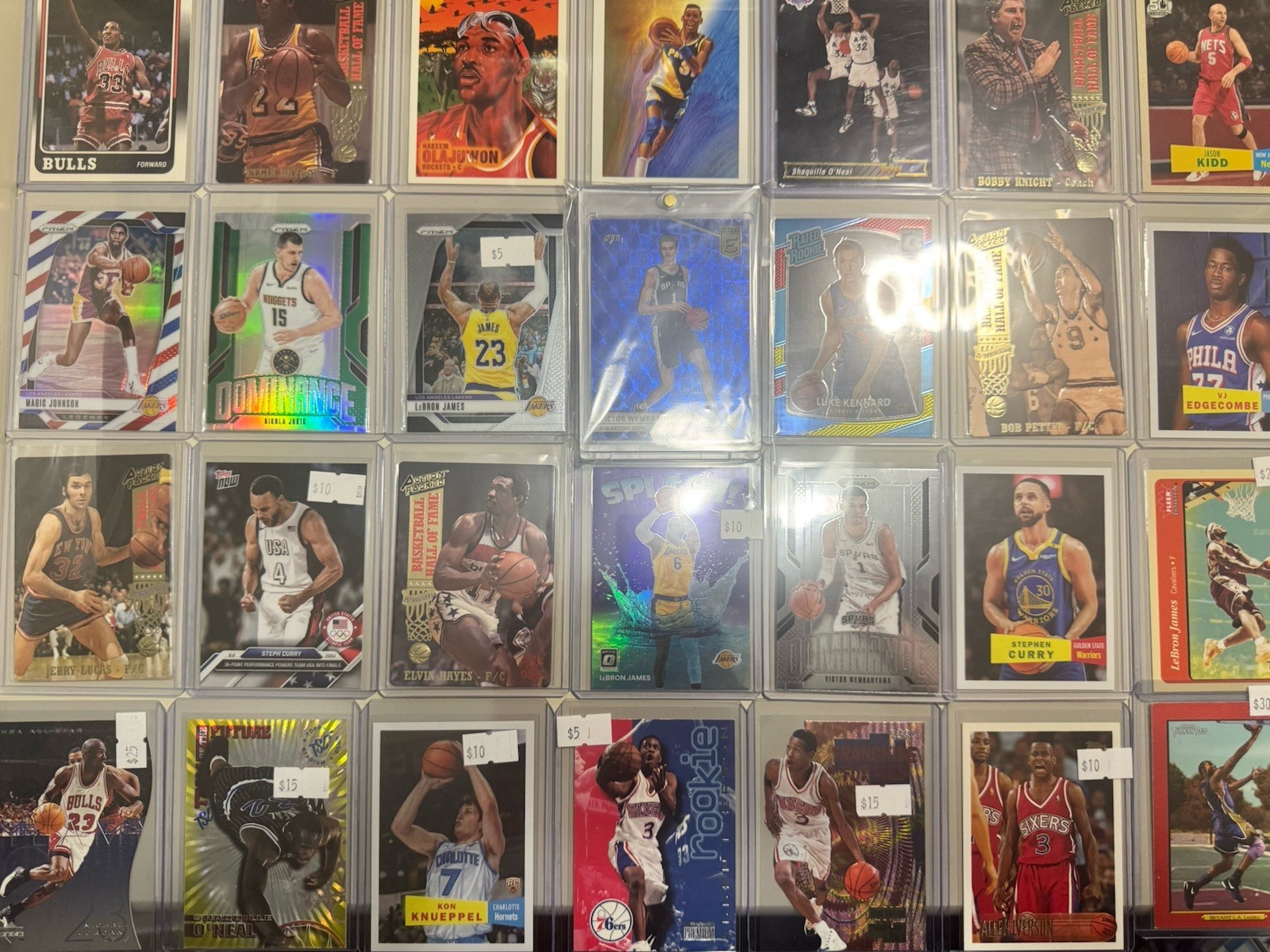
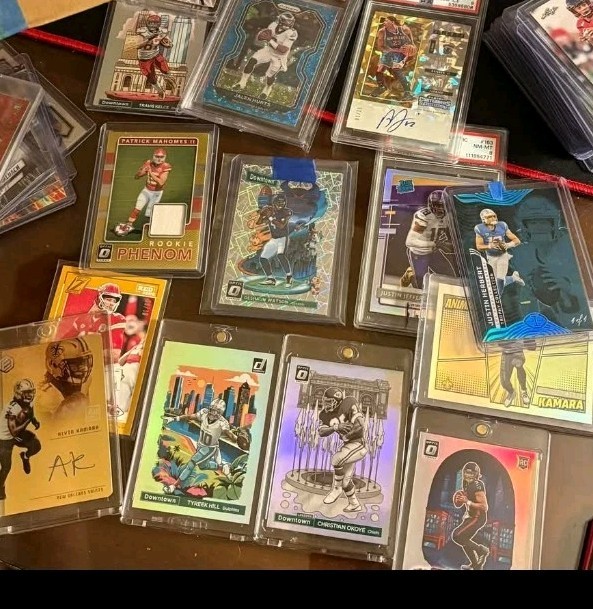


eBay links are affiliate links: JunkPal may earn a commission at no cost to you.
Resale values related to unverified copy
Shop unverified copy on eBay ↗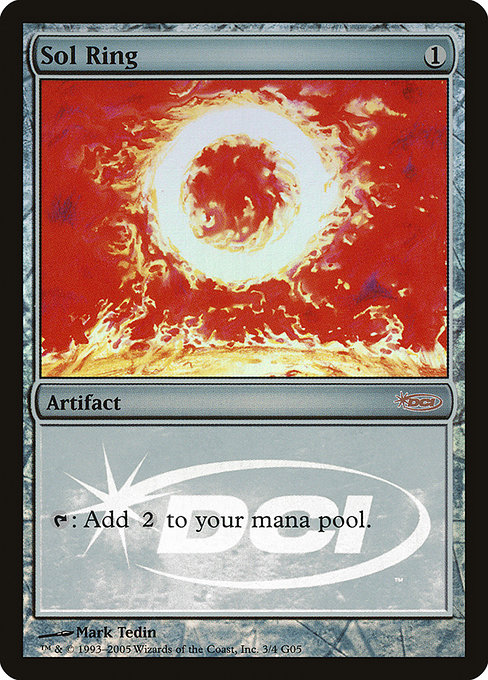





JunkPal may earn a commission when you buy through eBay links, at no extra cost to you.
What’s worth the most
Ranked on medians of real closed eBay sales, not asking prices.