What does “unverified” mean?
What it means
"Unverified" means a trading card lacks official third-party authentication or grading from recognized services (e.g., PSA, BGS, SGC). This is the opposite of a "graded" or "slabbed" card. The card's condition and authenticity are currently based solely on the seller's description or the buyer's subjective assessment. In this niche, grading services act as a standardized, objective quality control layer. An unverified card is functionally "raw." The term does not imply the card is fake, only that its condition has not been professionally certified.
What it does to price
The lack of verification imposes a significant discount relative to a graded equivalent. A card graded PSA 10 might sell for $1,000; the same card, unverified, might sell for 30% to 50% of that value, placing it in the $400–$700 range, depending on perceived condition. Factors that can marginally increase the price include provenance (if the seller can provide documented history) or if the card is extremely common and the market demands raw copies for comparison. Conversely, any visible surface wear, even minor scuffs, will cause a steep drop, often exceeding 60% depreciation from the graded value.
How to spot it
The primary tell is the absence of a tamper-evident plastic case (a "slab") bearing a grading company's logo and numerical grade. Beyond that, sellers must provide evidence of the card's physical state. Request high-resolution, close-up images focusing specifically on the four corners (checking for whitening or rounding), the edges (checking for nicks or chipping), and the surface (checking for print lines, scratches, or print variation). Common mistakes include sellers misrepresenting condition; for example, describing a card as "Near Mint" when it exhibits noticeable edge wear that a grader would downgrade.
Buying smart
Paying a premium for an unverified card is only justifiable in two scenarios: first, when the card is extremely common and the cost difference between raw and graded is negligible (e.g., a $5 raw card vs. a $15 graded card). Second, when the buyer intends to submit the card for grading themselves, and the potential profit from the eventual grade outweighs the risk of the card being rejected or graded lower than expected. Never pay a significant premium for an unverified card if a graded copy is available at a comparable price point. A fair deal requires the asking price to reflect the inherent risk premium.
Selling smart
Listing an unverified card requires absolute transparency. The listing description must explicitly state "Raw" or "Ungraded." The single most valuable asset in the listing is a set of clear, high-resolution photos taken under consistent lighting, showing the card from all four sides. If the card is in excellent condition, using the term "Near Mint" is acceptable, but it must be backed up by the photographic evidence. If the card has any flaw—a small corner ding or print imperfection—that flaw must be photographed and disclosed. This honesty prevents returns and justifies the price point for collectors who specifically seek raw inventory.
On eBay right now
Current asking prices from live listings — not sold-comp medians.

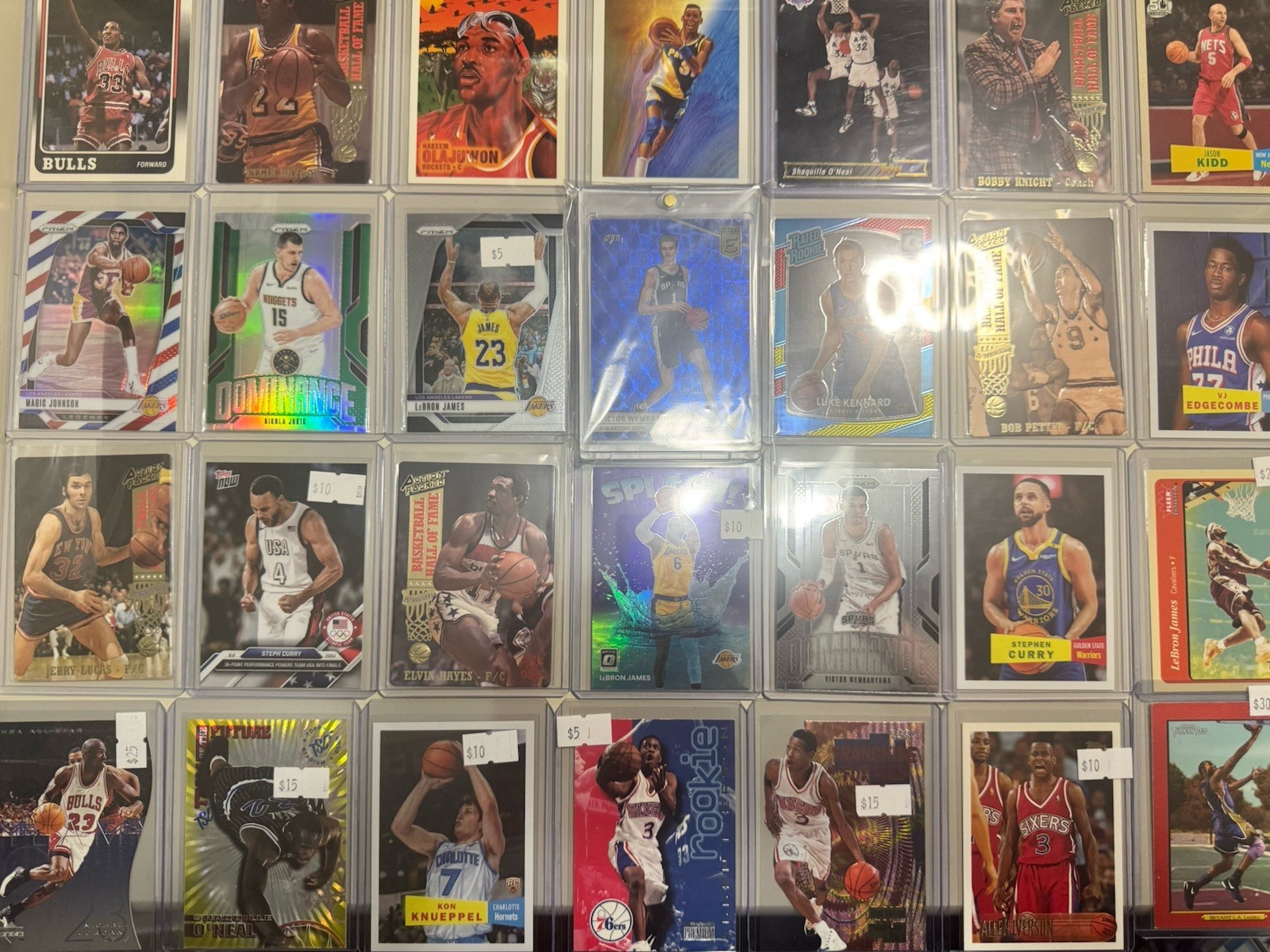
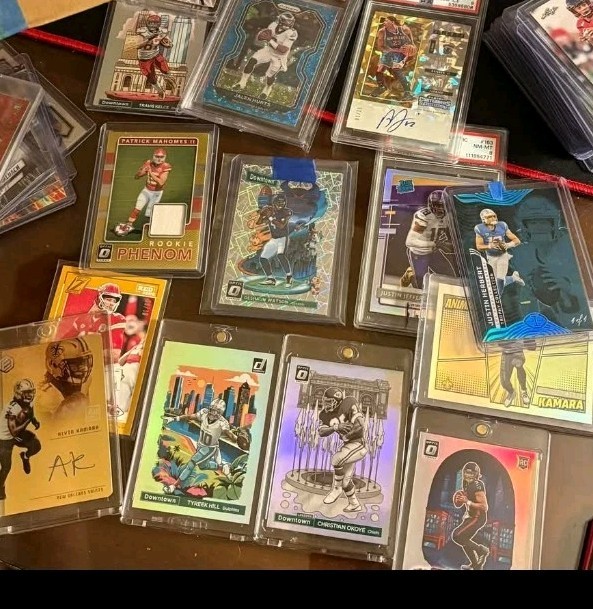


eBay links are affiliate links: JunkPal may earn a commission at no cost to you.
Resale values related to unverified
Shop unverified on eBay ↗


![Zapdos [Tekno] #145](/api/images/junkpal-products/cards/zapdos-tekno-145-pokemon-2000-topps-chrome-card/img0/thumb.webp)
![Charizard [Reverse Holo] #3](/api/images/junkpal-products/cards/charizard-reverse-holo-3-pokemon-legendary-collection-card/img0/thumb.webp)
![Charizard [Tekno] #6](/api/images/junkpal-products/cards/charizard-tekno-6-pokemon-2000-topps-chrome-card/img0/thumb.webp)
JunkPal may earn a commission when you buy through eBay links, at no extra cost to you.
What’s worth the most
Ranked on medians of real closed eBay sales, not asking prices.