What does “unslabbed” mean?
What it means
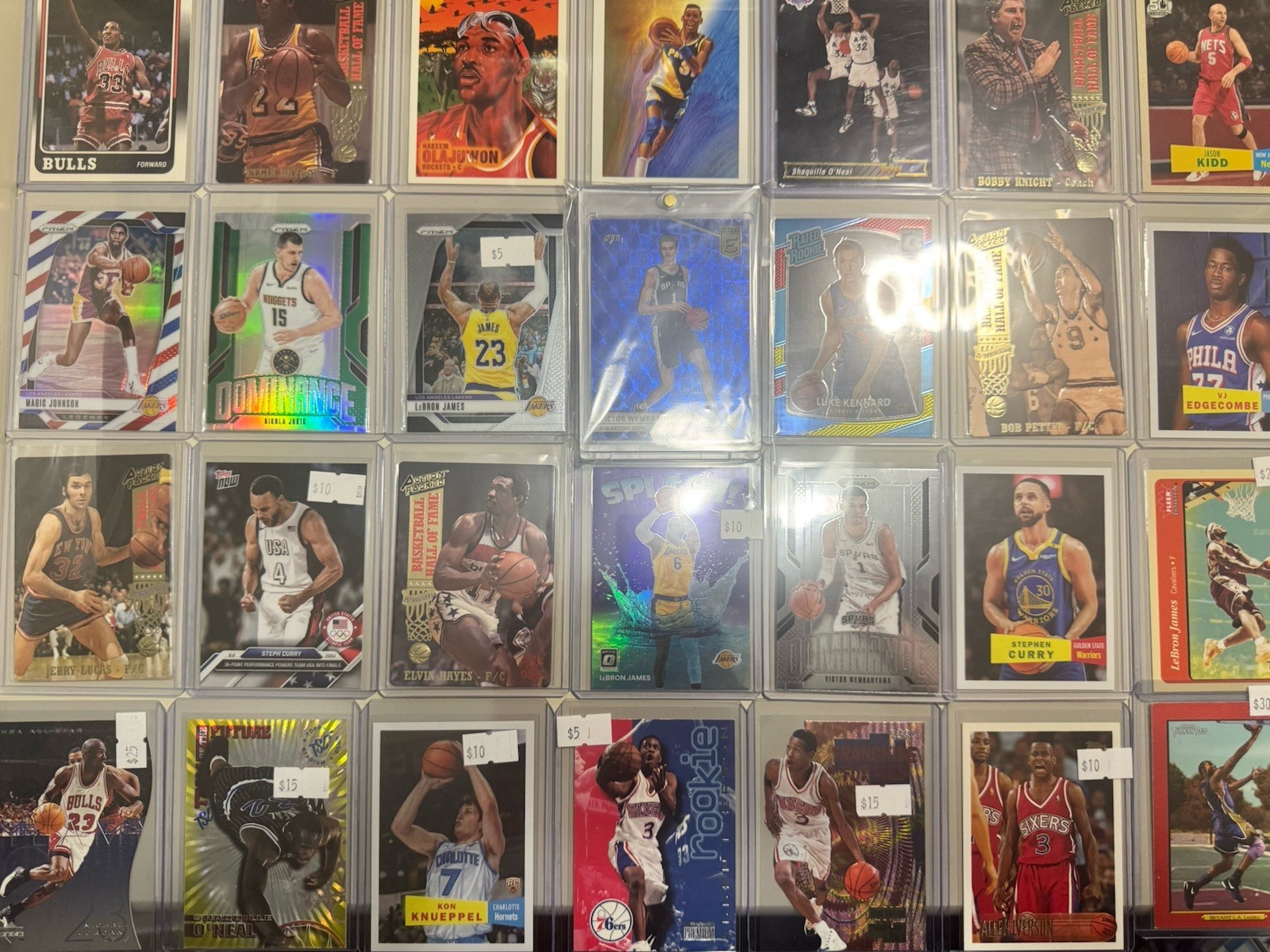
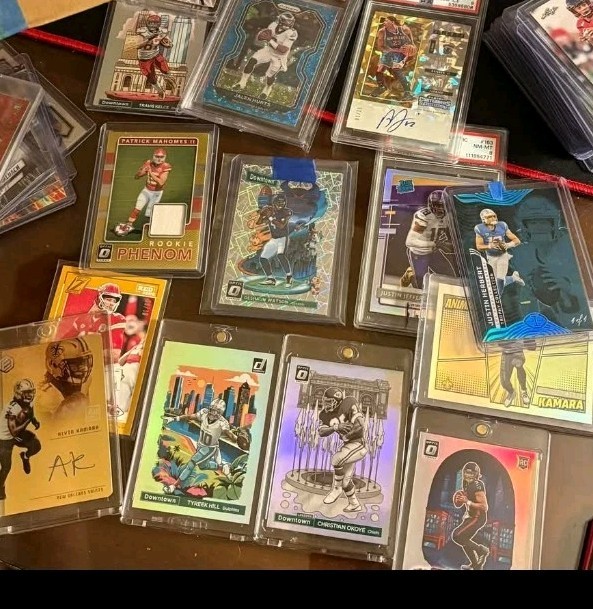
"Unslabbed" means a trading card has not been submitted to a third-party grading service (like PSA, Beckett, or SGC) for professional encapsulation and numerical grading. The card exists in its raw state—either loose or still in its original packaging (e.g., a pack or binder page). The mainstream equivalent is "raw" or "ungraded." Unlike slabbed cards, which carry an external, verifiable grade (e.g., PSA 9), the value of an unslabbed card relies entirely on its subjective, observable physical condition. There is no standardized, external authentication of its quality.
What it does to price
The lack of a grade introduces significant price volatility. Generally, a high-grade, slabbed copy commands a substantial premium over its unslabbed counterpart. For high-demand, mid-tier cards, an unslabbed copy might fetch 30% to 60% of the price of a comparable PSA 9 or higher. For very low-tier or common cards, the difference is negligible. Conversely, if an unslabbed card is near-perfect (e.g., Mint condition, no visible flaws), it can sometimes trade at 80-90% of a low-grade slabbed version if the buyer prioritizes the raw card aesthetic. A single, noticeable corner ding on a valuable rookie card can instantly reduce its value by 40-50% compared to a pristine example.
How to spot it
The tell is the absence of a plastic holder or "slab" affixed to the card. Sellers must confirm the card is not merely protected in a penny sleeve, which is standard handling, but is genuinely raw. When dealing with high-value unslabbed inventory, request high-resolution, well-lit photos from multiple angles: front, back, corners, and edges. Look specifically for edge whitening, print shifting, or surface scratches. A common mistake is confusing "near mint" with "perfect"; a card that looks good under poor lighting may hide significant wear.
Buying smart
Paying a premium for an unslabbed card is justified only when the card's aesthetic condition is absolutely flawless, or when the buyer specifically requires the raw card for personal collection purposes where grading is irrelevant. If the card has any discernible flaw—a light crease, slight whitening, or minor surface abrasion—the premium for the raw card is rarely worth the risk compared to purchasing a lower-grade slabbed version. A fair deal involves the asking price reflecting the known condition, not the potential of a future grade.
Selling smart
To maximize returns on an unslabbed card, the listing must aggressively document its condition. Do not rely on vague terms like "Excellent." Use specific language: "Near Mint, light edge wear visible under magnification" or "Gem Mint, corners sharp." The single most valuable addition to a listing is a high-resolution macro photograph clearly showing the card's most vulnerable area (usually a corner or edge) to prove the stated condition. This transparency builds trust and justifies the asking price against the uncertainty of grading.
On eBay right now
Current asking prices from live listings — not sold-comp medians.



eBay links are affiliate links: JunkPal may earn a commission at no cost to you.
Resale values related to unslabbed
Shop unslabbed on eBay ↗






JunkPal may earn a commission when you buy through eBay links, at no extra cost to you.
What’s worth the most
Ranked on medians of real closed eBay sales, not asking prices.