What does “unlimited edition” mean?
What it means
"Unlimited edition" signifies a production run with no predetermined scarcity cap. Manufacturers release these cards in massive quantities, meaning the supply is intentionally high. This contrasts directly with "limited editions," which are deliberately manufactured in small, finite numbers to drive scarcity. In the collecting niche, this designation is functionally equivalent to a "common" or "mass-produced" status, though the term "unlimited" is used to emphasize the lack of a hard ceiling on production. The core takeaway is high availability.
What it does to price
High supply directly correlates to lower baseline value. Unless the card features an extremely high-demand character, is an iconic chase card, or belongs to a highly coveted, foundational set, its price ceiling is low. For a standard, mid-tier unlimited edition card, a Near Mint (NM) copy might sell loose for \$1.00 to \$5.00. A pristine, graded copy (PSA 10) of the same card might only fetch 2x to 4x the loose price, perhaps \$20-\$40, assuming the card itself has inherent demand. Factors pushing the price up include exceptional artwork, unique printing variations, or if the card is a "staple" piece of a popular set, regardless of quantity.
How to spot it
The term "unlimited edition" is often marketing fluff and may not appear explicitly. The tell is the sheer volume of the card in circulation. Look for standard numbering schemes rather than specific, low-count serial numbers (e.g., "1/500" vs. just a standard set numbering). Ask sellers for batch photos showing multiple copies of the card. Common honest mistakes involve mislabeling a standard print run as a "special" or "unlimited" variant. Fakes are less common with this designation unless the card is extremely popular, but always verify the card stock and printing quality against known authentic examples.
Buying smart
Paying a premium for an unlimited edition card is only justifiable when the card possesses high intrinsic value—meaning its design, character, or set significance transcends its high supply. If the card is merely average, paying more than the lowest available price is a poor investment. A fair deal involves purchasing the card at a price that reflects its condition relative to the lowest-priced, comparable copies. If a card is listed at 5x the average price but is only NM when others are Mint, the premium is unwarranted.
Selling smart
Transparency regarding the card's supply is critical for setting accurate expectations. Listing the card as "Unlimited Edition" or "Mass Production" manages buyer expectations immediately. The single most effective element in a listing is providing a clear, high-resolution photo of the card's back or any identifying print markings that confirm it is a standard, high-volume release. This prevents buyers from assuming it is a rare variant, leading to faster sales at a more realistic price point.
On eBay right now
Current asking prices from live listings — not sold-comp medians.
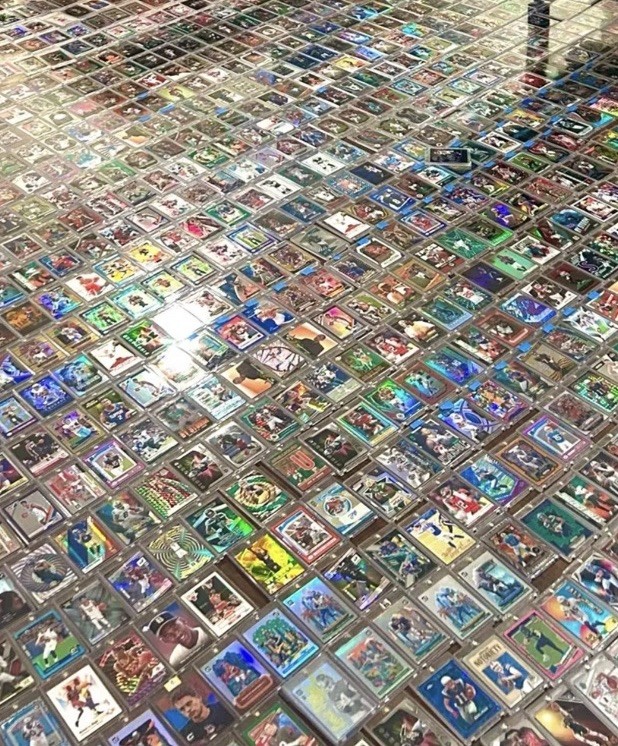

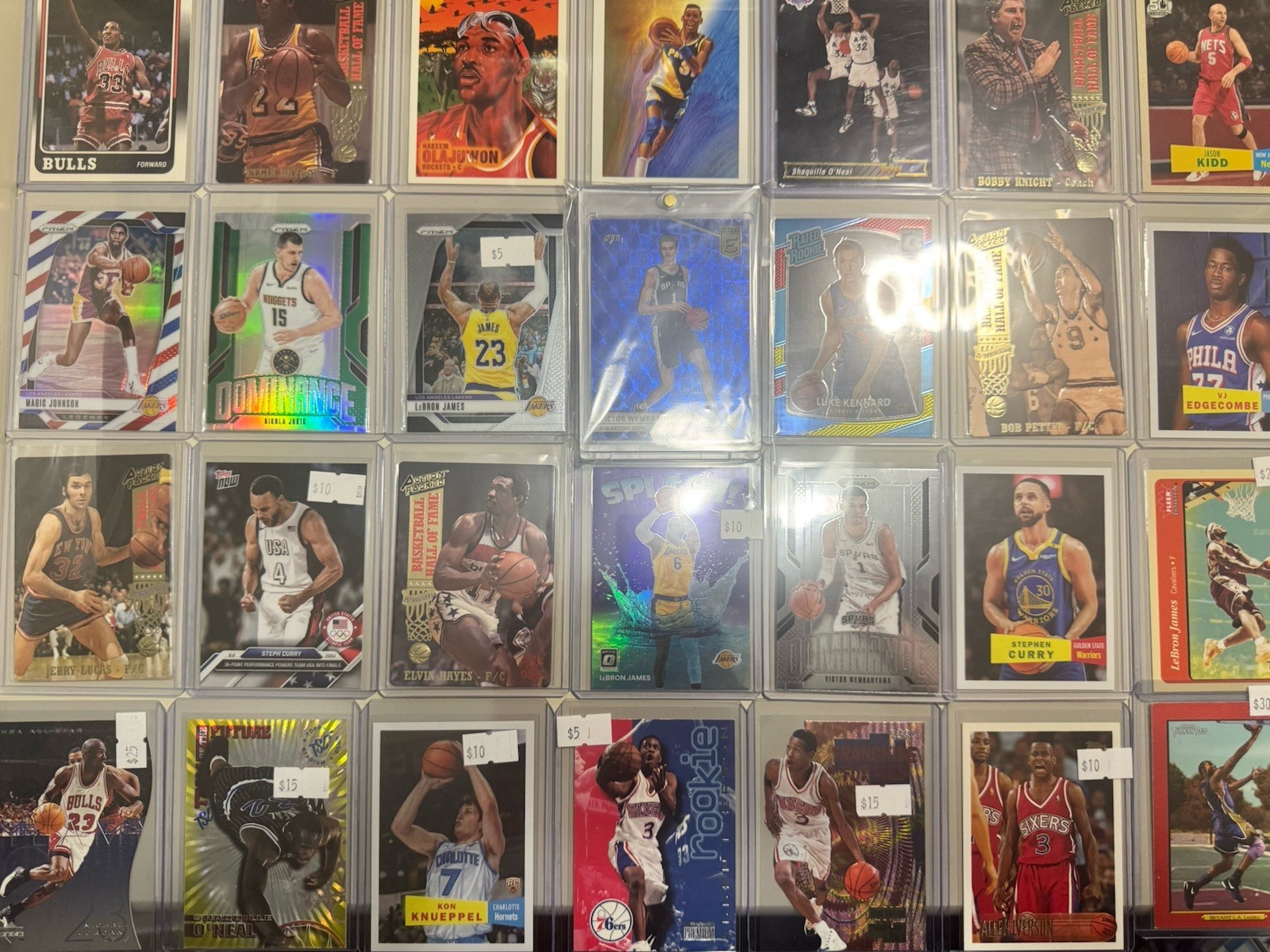
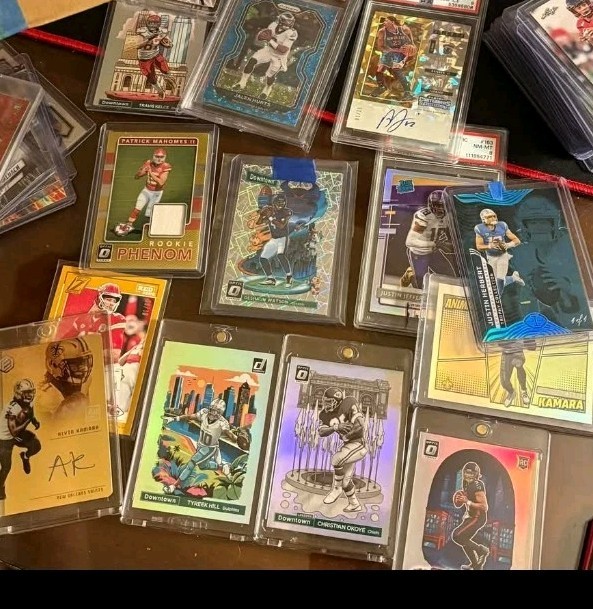


eBay links are affiliate links: JunkPal may earn a commission at no cost to you.
Resale values related to unlimited edition
Shop unlimited edition on eBay ↗

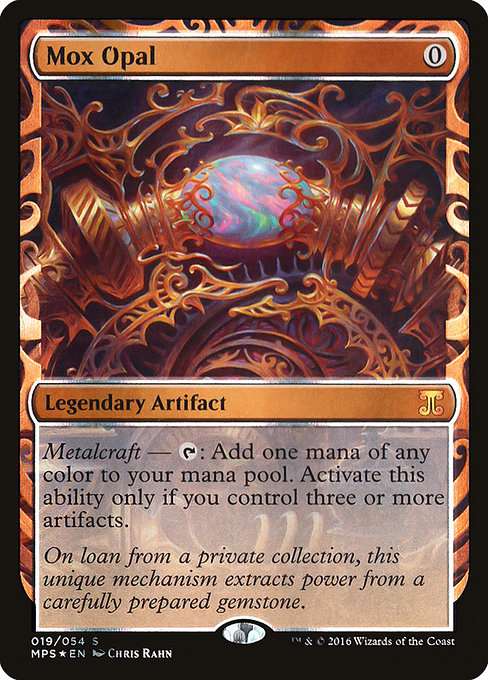
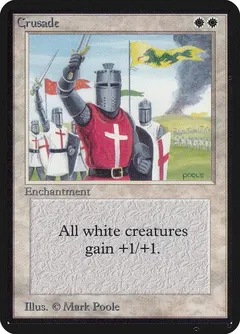
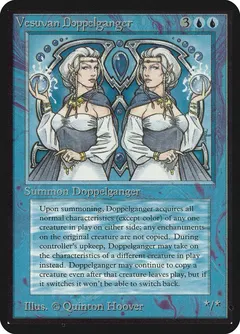
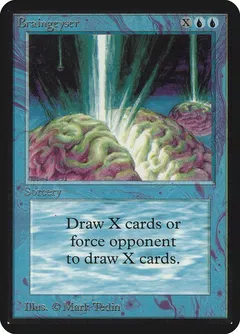
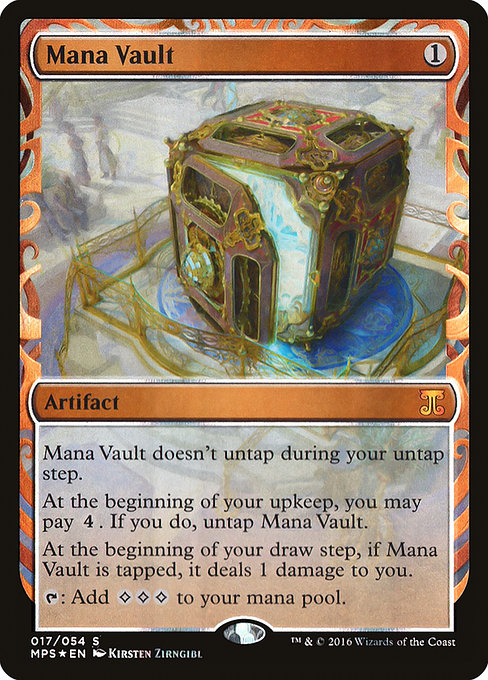
JunkPal may earn a commission when you buy through eBay links, at no extra cost to you.
What’s worth the most
Ranked on medians of real closed eBay sales, not asking prices.