What does “ungraded singles” mean?
What it means
Ungraded singles are individual trading cards sold without third-party authentication or numerical grading from services such as PSA or Beckett. The card is sold loose, meaning it lacks the protective, sealed plastic slab that a graded card receives. The core difference is the absence of a standardized, verifiable condition report. While grading provides an objective measure (e.g., PSA 10), ungraded singles require the buyer to assess condition subjectively. This category encompasses cards that are raw—meaning they have not been sent to a grading company—and are sold based on their inherent market demand and physical state.
What it does to price
The price differential between ungraded and graded versions is highly variable. Generally, a high-grade, authenticated card commands a significant premium, often ranging from 1.5x to 5x the price of a comparable raw copy, depending on the card's rarity and market heat. Condition is the primary driver for ungraded pricing. A card described as "Near Mint" (NM) will command substantially more than one described as "Excellent" (EX). For instance, a common rookie card in raw EX condition might sell for $5, whereas the same card graded PSA 9 might fetch $25. Price inflation for ungraded cards is often driven by scarcity; if a card is extremely rare, the condition variance matters less than the fact that it is available raw.
How to spot it
The primary tell is the absence of a grading company's proprietary holder or slab. If a card is advertised as "graded," it must include the company's certification number and holder. For ungraded singles, sellers should provide high-resolution images. Key areas to inspect are the corners (for whitening or rounding), edges (for chipping), and the surface (for print lines or scratches). A common honest mistake is mislabeling a heavily played card as "Near Mint." Fakes are less common in the raw market unless the card is a high-value chase item; the risk here is usually condition misrepresentation rather than outright counterfeiting.
Buying smart
Paying a premium for an ungraded card is justifiable when the card is extremely rare, or when the buyer specifically wishes to submit it for grading themselves, thereby controlling the submission costs and timeline. If the card is mid-tier or common, the risk of poor condition outweighs the potential savings from avoiding grading fees. A fair deal for an ungraded card requires the seller's description to accurately match the visual evidence. If a seller claims "Gem Mint" but the photo shows noticeable corner wear, the price is inflated.
Selling smart
To maximize the sale price of an ungraded single, the listing must establish trust through transparency. The single most effective element is providing multiple, high-magnification photos—specifically close-ups of all four corners and the card surface. A simple statement like "Condition as pictured, raw" is insufficient. A word like "Authenticated by Seller" (if the seller has verified the card's authenticity) or detailed condition notes (e.g., "Light surface wear visible on lower right") allows buyers to accurately price the risk, leading to a higher, more stable sale.
On eBay right now
Current asking prices from live listings — not sold-comp medians.

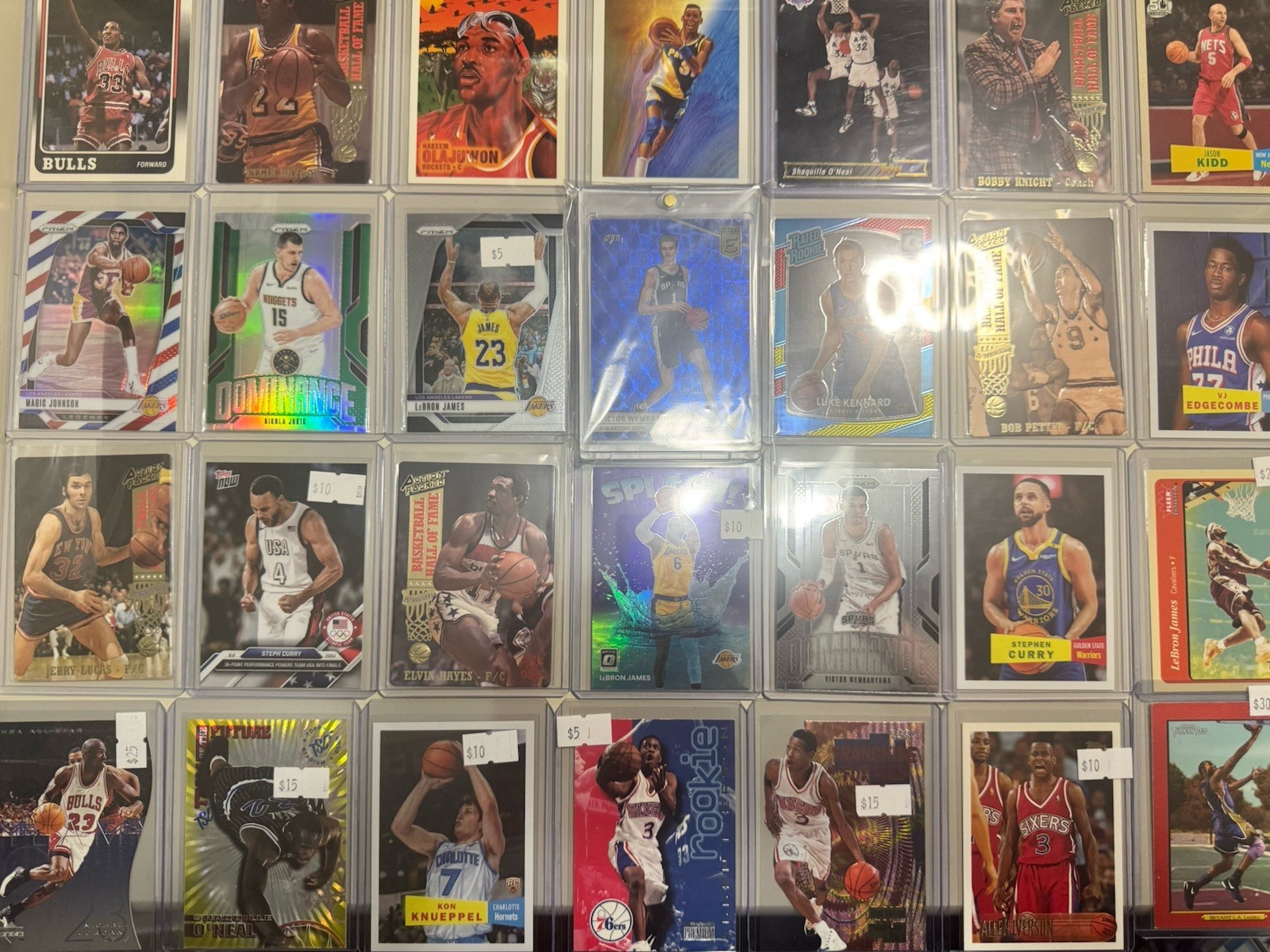
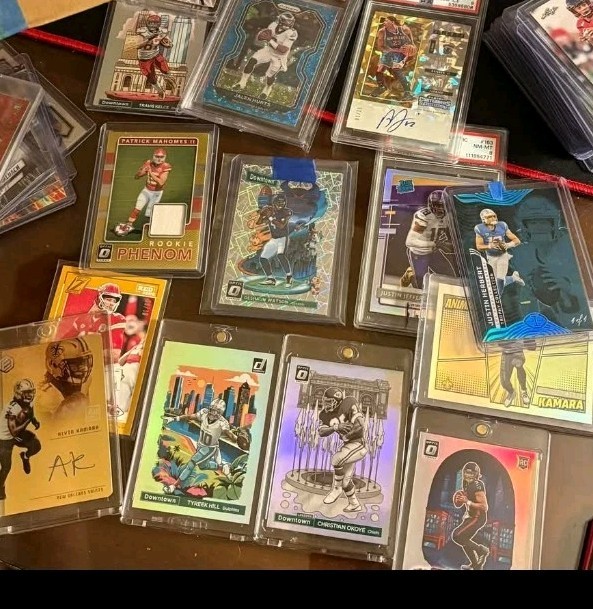


eBay links are affiliate links: JunkPal may earn a commission at no cost to you.
Resale values related to ungraded singles
Shop ungraded singles on eBay ↗
![Espeon [Gold Star] #16](/api/images/junkpal-products/cards/espeon-gold-star-16-pokemon-pop-series-5-card/img0/thumb.webp)
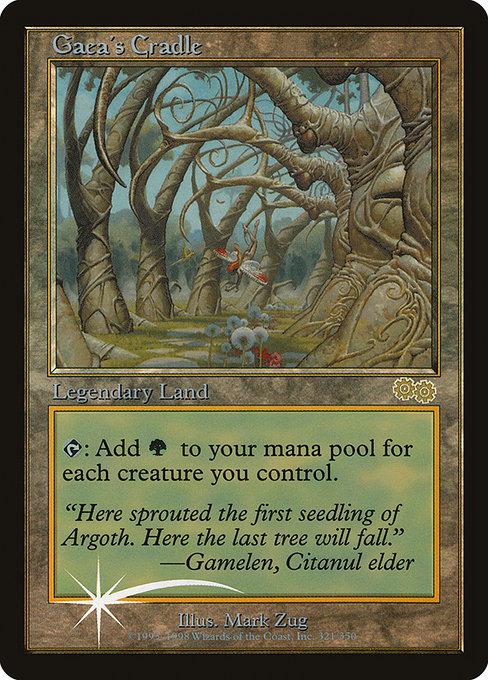
![Duel Link Dragon, the Duel Dragon [Ultra Rare] YCSW-EN012](/api/images/junkpal-products/cards/duel-link-dragon-the-duel-dragon-ultra-rare-ycsw-en012-yugioh-championship-series-card/img0/thumb.webp)
JunkPal may earn a commission when you buy through eBay links, at no extra cost to you.
What’s worth the most
Ranked on medians of real closed eBay sales, not asking prices.