What does “ungraded raw” mean?
What it means
"Ungraded raw" means a trading card has not been sent to a third-party authentication or grading company (e.g., PSA, BGS, CGC). The card is presented in its original state. There is no standardized, objective assessment of its condition (Centering, Corners, Edges, Surface) provided by an expert service. In the mainstream collecting world, this is equivalent to buying an item "as-is." The condition assessment is entirely subjective, resting solely on the seller's description and the buyer's inspection.
What it does to price
The difference between raw and graded is substantial, often representing a 30% to 70% price variance depending on the card's rarity and market heat. A high-grade copy (e.g., PSA 10) of a popular chase card can command 3x to 5x the price of a comparable raw copy. Raw pricing is highly volatile. A raw card described as "Near Mint" might sell for $50, but if it is actually "Lightly Played" (a common raw mistake), it can drop to $25 immediately. A single, clear photo showing sharp, uncreased corners can push a raw listing toward the higher end of its expected range.
How to spot it
The primary tell is the absence of a numbered, sealed holder (slab) from a recognized grading service. For raw cards, scrutiny must focus on print quality and surface integrity. Look for print registration errors, color shifts, or micro-scratches under high magnification. Sellers must provide high-resolution images. Common issues include "edge whitening" (where the card stock has bled slightly at the edges) or "print lines" (thin, unintentional lines running through the artwork). Be wary of sellers who only provide low-light, blurry photos, as this obscures flaws.
Buying smart
Paying a premium for raw is justified only when the card is extremely rare, or when the buyer possesses expert knowledge to judge condition accurately. For mid-tier, common, or moderately valuable cards, buying raw introduces too much risk relative to the potential gain. A fair deal for a raw card is one where the seller has provided multiple, well-lit, high-resolution photos that clearly display the card's corners and edges without ambiguity. If the photos are poor, the price should be discounted to account for the inspection risk.
Selling smart
To maximize value when selling raw, the listing must preemptively eliminate condition disputes. The single most effective element is a set of clear, close-up photographs taken in bright, even lighting. These photos must specifically feature the four corners and the entire surface area. Adding the phrase "Raw, As-Is Condition" is standard, but pairing it with detailed photos shifts the perceived risk from the buyer to the seller's transparency. Transparency in presentation is the mechanism that allows the raw card to command a price closer to its potential graded value.
On eBay right now
Current asking prices from live listings — not sold-comp medians.

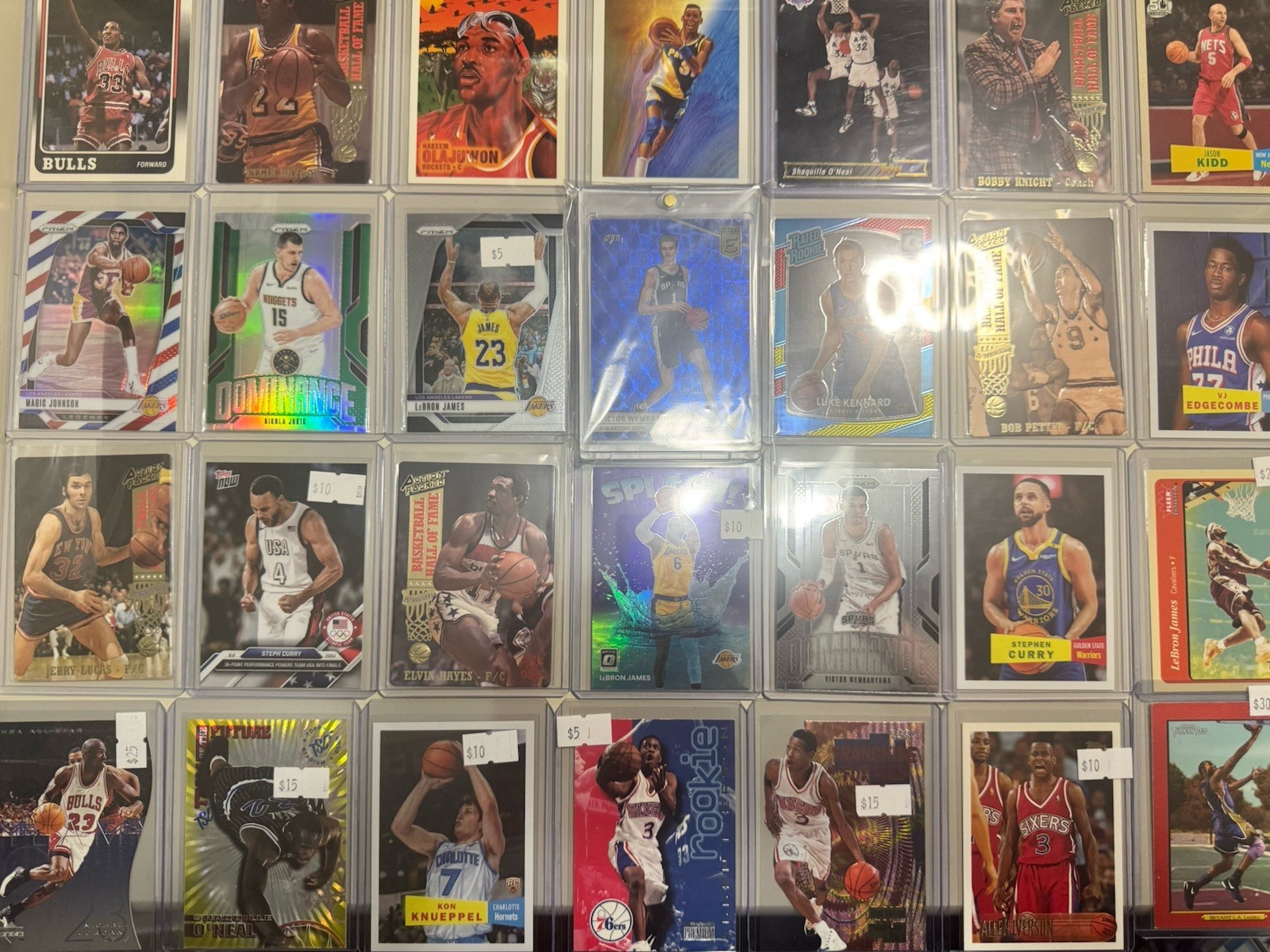
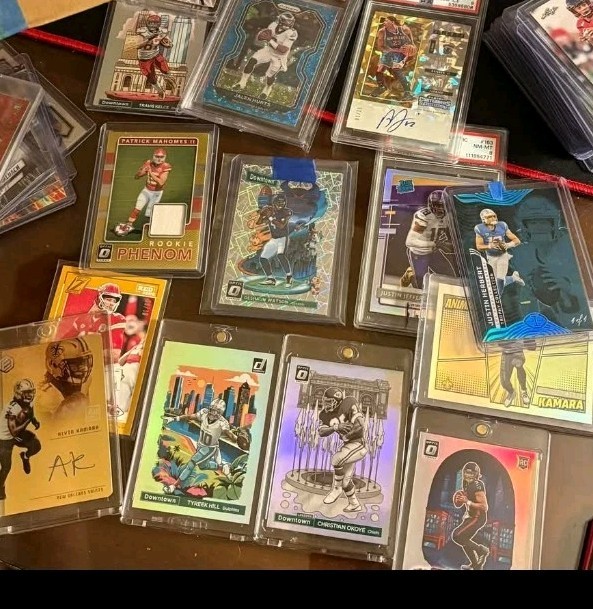


eBay links are affiliate links: JunkPal may earn a commission at no cost to you.
Resale values related to ungraded raw
Shop ungraded raw on eBay ↗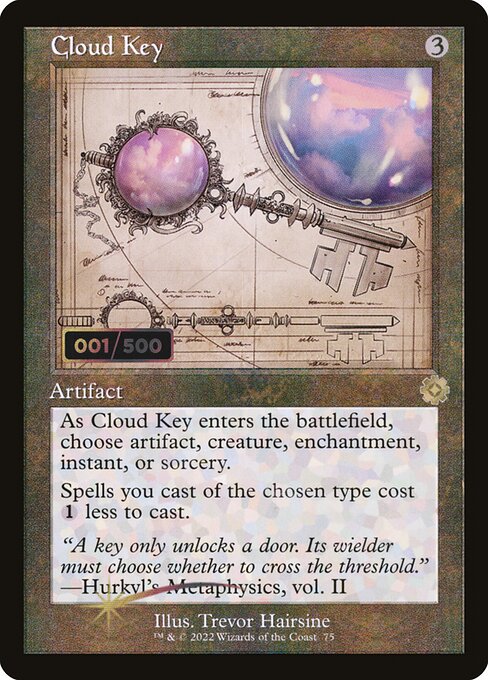
![Meetup on Christmas Eve Ai SSP ([OSHI NO KO] Vol.2)](/api/images/junkpal-products/tcgcsv/meetup-on-christmas-eve-ai-ssp-685751-tcg/img0/thumb.webp)



JunkPal may earn a commission when you buy through eBay links, at no extra cost to you.
What’s worth the most
Ranked on medians of real closed eBay sales, not asking prices.